


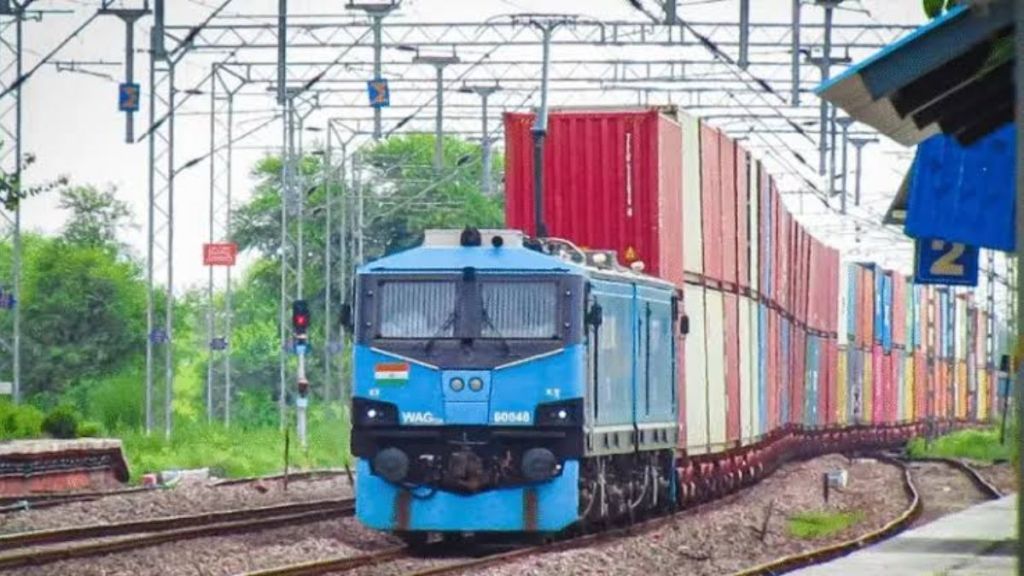

South Coast Railway has identified imported wood pulp as a new freight opportunity after shifting its transportation from road to rail, with the traffic expected to generate nearly Rs 20 crore in annual revenue for the zone, reported PTI.
Imported wood pulp has been moving by road from Kakinada to paper manufacturing units in Maharashtra for around 15 years. The railway zone recently started targeting this long-distance traffic and loaded its first rake carrying the commodity from Kakinada Port to Bhigwan in Maharashtra.
“South Coast Railway has successfully diverted long-lead imported wood pulp traffic from road to rail, opening up a new source of freight loading and revenue,” a recent press release from the Vijayawada Railway Division said, reported PTI
Why rail was losing wood pulp traffic to roads
Railway officials examined the industry’s loading requirements and freight tariff after identifying wood pulp as a potential source of additional freight business.
One of the main hurdles was the difference between the actual quantity that could be loaded into a wagon and the tonnage used for calculating freight charges. Officials found that a wagon could carry only around 45 to 50 tonnes of wood pulp in practice, while the existing railway charging structure was based on 65.1 tonnes per wagon.
That made rail transport less competitive against road haulage, despite the long distance involved.
To address the issue, the railway zone held discussions with industry representatives and sent a proposal to the Railway Board in July 2026 seeking a revised rating for the commodity.
“Based on the proposal, wood pulp has now been included as a commodity in the Goods Tariff under Class-110. This led to a considerable reduction in the freight charges for the commodity. This made transportation by rail more competitive than road,” it said.
1,061-km movement shifted to rail
Following the tariff change, the 1,061-km movement from Kakinada to Maharashtra has been shifted from road to rail. The first rake of imported wood pulp was loaded at Kakinada on Saturday.
The zone estimates that the new traffic could add around 1.5 lakh tonnes to its annual freight loading. Each rake is expected to generate nearly Rs 40 lakh in revenue, with the overall traffic projected to contribute around Rs 20 crore annually.
The development also reflects the importance of tariff structures in determining whether certain commodities remain viable for rail transportation. In this case, the change in freight classification has allowed the Railways to compete more effectively for a traffic stream that had traditionally moved entirely by road.
“The successful diversion of this long-distance traffic from road to rail reflects South Coast Railway’s continued efforts towards customer-oriented freight business development, tariff rationalisation and attracting new traffic to the railway system,” the press release added.
The railway zone is now looking to build on the shift as it seeks additional freight from industries and commodities where changes in tariffs, loading practices or logistics arrangements can make rail transport more competitive.