


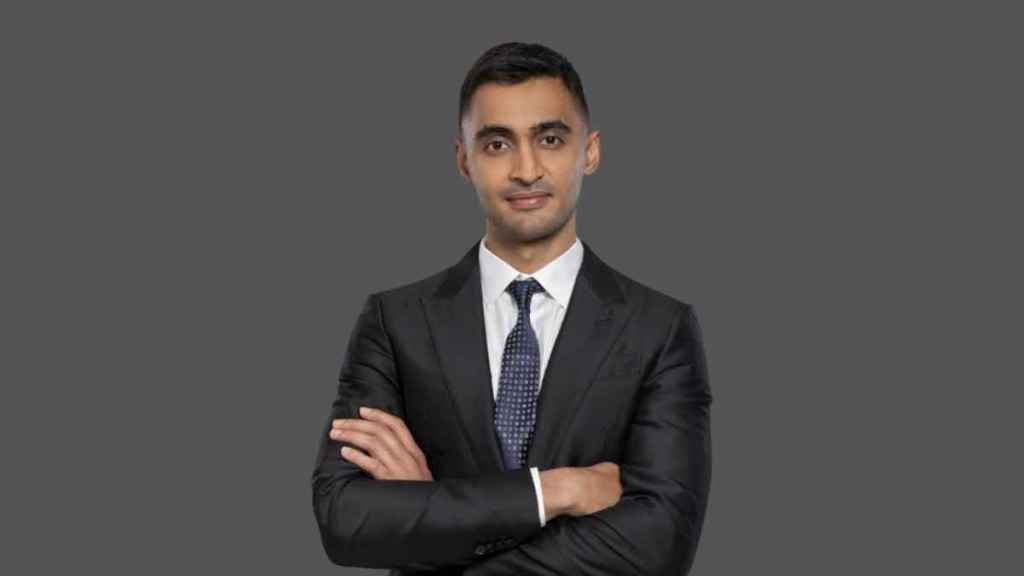

Embassy Developments on Tuesday launched Embassy Origins, an 85-acre residential development north of Yelahanka in Bengaluru, with a first-phase gross development value of about Rs 4,500 crore across 217 villas and 855 apartments. Using the site’s lake water, contours and tree cover, the project follows what the company calls “natural intelligence”. Aditya Virwani, managing director, Embassy Developments, in a conversation with Anees Hussain, dwells on the future of green design and the pricing stagnation in the residential market. Excerpts:
Do you see housing prices getting linked to air quality and ecology?
The average age of homebuyers has risen from 38 to 40-42. Younger buyers prefer renting and experiences but will want to own as they mature. This generation is increasingly conscious about the environment, so they will factor it into the decision. It is not primary, but key. I would be lying if I say customers make it the priority today. But it is a trend.
When would that show up in pricing?
It will happen over time… once these communities are operational…4-4.5 years down the line…and residents talk about them. These factors cannot simply be marketed; word of mouth on lived experience matters — quality of life, health, running capacity and cooler temperatures. That is when we could expect a price increase. We have not got it yet. Embassy Boulevard is selling at Rs 40,000 a square feet versus Rs 29,000 for the latest masterplan.
How long will residential pricing stagnation last?
I joined in 2016, when the market was in bad shape. People hated residential; it was all about office. That lull lasted 6-7 years, with pricing growth at 2-3%. Then came the upcycle and double-digit growth. The last 15-year average has been just 6-7%, about matching inflation. Supply launched in 2021-2023 is now completing, flooding the market with choice and creating this stagnation.
Until developers get hurt and stop supply, which could take another 6-7 years, I do not see another upcycle.
Where does your launch pipeline stand?
We have a GDV (gross development value) of Rs 50,000 crore. In the last 10 months, we have launched Rs 22,000 crore and another Rs 10,000 crore will be launched by the end of FY27. Of the balance, 75% is in Bengaluru. Launches skew higher towards Mumbai after Citadel, our 81-floor tower in Worli. We also launched Terrazza in Juhu, a development management project on 2.5 acres by the sea, with go-to-market next week.
Is there oversupply in the luxury segment?
It is micromarket specific. Worli has an oversupply, with many homes at Rs 15 crore and above. But land is so scarce in Mumbai that anything in Juhu, we would lap up. Pockets of Gurugram are oversupplied; there is nothing below Rs 3 crore. Hyderabad is oversupplied, with an inventory overhang of about 24 months against nine months for Bengaluru. That scares me. Hyderabad developers are building 7,000-sq-ft homes, so tickets are already high and per sq ft prices cannot rise further. Bengaluru, uniquely, has nothing in the Rs 10-15 crore range. That is the gap we are bullish on.
Are AI-linked job losses hitting demand, in offices or in home buying?
We are not seeing that impact yet. Globally, some companies have increased headcount. On the office side, Infosys, Wipro and HCL are not our tenants; they own much of their space, and there is a low-paying IT workforce that cannot afford prime rents. Those guys are struggling a little.
On homes, most say Rs 5 crore is luxury, I would say it is now Rs 10 crore. About 30 million Indians declare more than Rs 12 lakh a year in income. Of that, maybe, 1-2 million can afford Rs 10 crore-plus inventory. Despite being a small pool, that cohort has doubled its wealth in a very short time. We believe that this ultra luxury buying demand is insulated.
Do you see office rents correcting?
Rent growth below 5% for a long time has pushed developers to residential, creating a Grade A shortage. Global capability centres will pay top dollar for space with metro connectivity improving. I can see a 7-10% rent correction in the near future.
Piped Cauvery supply will reach the Devanahalli belt only around 2028. How is your project securing water till then?
This site was largely a eucalyptus plantation, and eucalyptus depletes the water table. We are eliminating it, replanting 4,000 indigenous trees and creating filter-and-recharge lake systems. The aim is for the project to be self-sufficient on these lakes and not need a single water tanker after one heavy rain.