


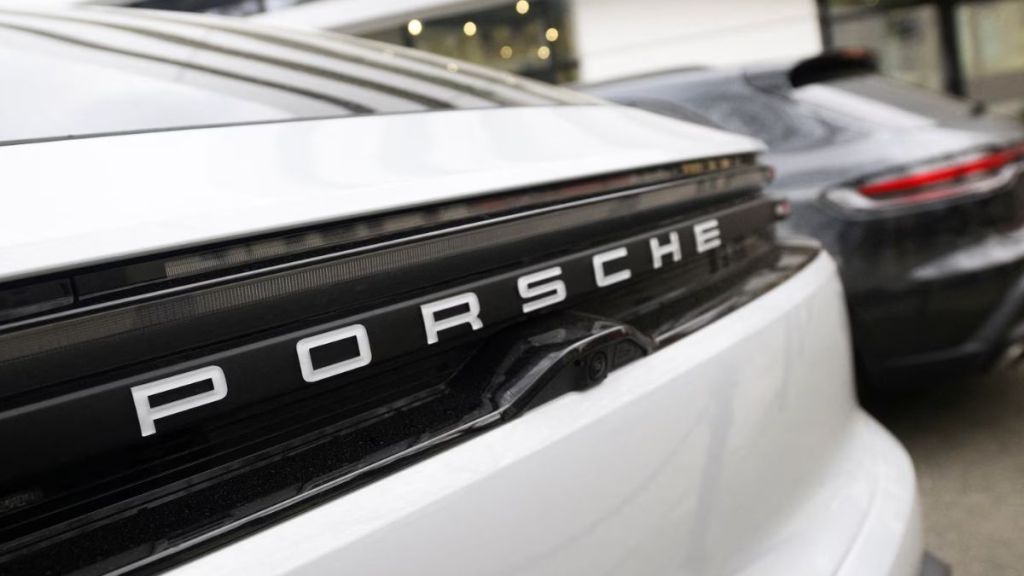

Porsche is preparing for a major reset after a sharp fall in profits, weaker demand in China, US tariffs and the high cost of changing its electric vehicle strategy.
The German luxury carmaker, known for its 911 sports car, plans to become a smaller company and focus more on expensive, high-margin models. It also plans to cut around a quarter of its workforce as it tries to recover from a steep decline in profitability.
Porsche said on Wednesday that it would reduce its ambitions in China and focus more on “value over volume”. The move comes after the company’s profit margin fell to just 1.1% last year from 18% two years earlier.
Porsche to cut 9,000 jobs by 2030
Porsche plans to cut around 9,000 jobs by 2030 as the German sports car maker restructures its business and tries to bring its profits back up.
The planned cuts will affect about 25% of the company’s workforce. Porsche said the total reduction could reach 30% when job cuts that have already been announced are also included.
The company is facing pressure from falling sales in China and the high cost of changing its electric vehicle strategy.
Porsche wants fewer cars, higher profits
Porsche CEO Michael Leiters presented the restructuring plan on October 7 during a Capital Markets Day at the company’s Weissach Development Centre near Stuttgart.
The new strategy, called “Sportwagenschmiede ’35”, is based on selling fewer cars but making more money from each vehicle. The company is moving towards a “value over volume” approach. That means Porsche will focus less on selling large numbers of cars and more on models that can generate higher profits.
The 911 sports car will remain central to that strategy, along with other high-end models and luxury SUVs.
Porsche wants to improve its profits without trying to return to the high sales volumes it achieved in the past. The company’s profit margin fell sharply to 1.1% last year, according to Reuters. In 2023, the margin stood at 18%.
The gap with other luxury and premium carmakers is also large. Ferrari had a profit margin of 29.5% in 2025, while Skoda reported 8.3%, Mercedes-Benz 5% and Volkswagen 2.8%.
Porsche now wants to reach an operating margin of between 10% and 15% over time. Its longer-term target is 15%, although the company expects the recovery to take several years.
Job cuts to hit production and management
The job cuts are part of a wider plan to reduce costs across the company. Porsche plans to cut production personnel costs by up to 30%. Management positions could be reduced by 40%, while development costs could fall by up to 20%.
This means the restructuring will not only affect workers at Porsche factories. Management and teams involved in developing new vehicles will also face cuts.
Porsche’s troubles are also a problem for Volkswagen
Porsche’s strong profits have long been an important part of the Volkswagen group’s financial performance. Volkswagen owns 75% of Porsche, making the sports carmaker’s turnaround important for the German auto giant.
“Without those profits, it’s causing huge headaches in Wolfsburg,” Matthias Schmidt, a European auto industry analyst, told The New York Times.
Porsche was once considered one of the world’s most profitable carmakers. It is now trying to rebuild its business under chief executive Michael Leiters, who previously worked at supercar maker McLaren and Ferrari.
The company’s new approach is centred on selling fewer cars but making more money from each vehicle.
China and US tariffs hit Porsche sales
Porsche has already seen its global deliveries fall by almost 10% since 2022, the year when the company made its blockbuster stock market debut.
The biggest pressure has come from China, where demand for Porsche cars has fallen sharply. The company is also dealing with the impact of tariffs in the United States, another key market.
Both developments have put pressure on Porsche at a time when the company was trying to build on the strong growth and high profits it enjoyed in previous years.
Porsche is now preparing investors for a business that may sell fewer cars but make more money from each vehicle.
Expensive electric vehicle strategy adds pressure
Porsche is also dealing with the cost of changing its electric vehicle plans. The company had invested heavily in its move towards electric cars, but weaker demand and changing market conditions have forced it to rethink that strategy.
The pressure has come at a difficult time for the wider German auto industry, which is facing stronger competition from Chinese manufacturers while trying to manage the expensive shift from traditional petrol-powered vehicles to electric cars.
For Porsche, the answer is now to focus more heavily on premium and higher-priced models instead of chasing sales volumes.