


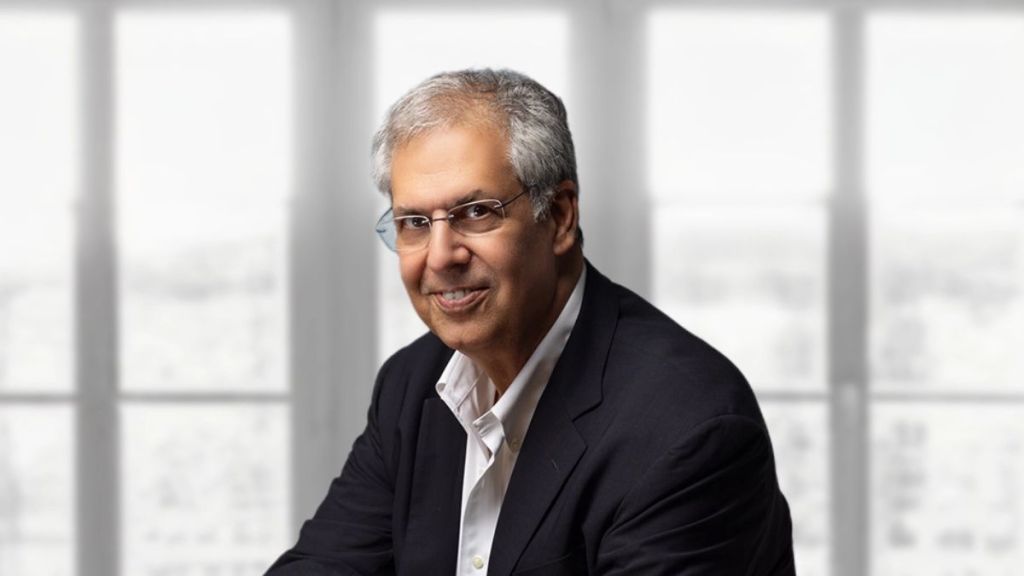

Noel Tata has never been one for dramatic exits. His understated style was on display at Trent’s 74th annual general meeting on Tuesday when he informed shareholders that he would step down as chairman this year, in line with Tata Group governance norms that require non-executive directors to retire at 70. Tata turns 70 in November. Trent is also the first group firm where Tata has announced his decision to step down as board chairman.
The announcement has brought to a close a nearly three-decade association with the Tata Group retailer that he helped transform into one of India’s most successful consumer businesses. From a fledgling retail venture in the late 1990s to a company with more than Rs 20,000 crore in annual revenue and a market capitalisation of nearly Rs 2 lakh crore, Trent’s growth story is closely intertwined with Tata’s own journey.
Launched in 1998 following the divestment of the Lakme cosmetics business to Hindustan Unilever, Trent was still finding its feet when Tata joined its board in the year of inception. One of the company’s earliest strategic moves was the acquisition of the Indian operations of UK retailer Littlewoods International. The business was subsequently rebranded as Westside, laying the foundation for Trent’s expansion into fashion retail.
In June 1999, Noel Tata became Trent’s first managing director. The timing was significant. India’s retail landscape was fragmented, dominated by neighbourhood stores and family-run businesses. Organised retail was still an unproven concept and modern shopping formats had yet to gain widespread acceptance.
Private-Label Playbook
Tata’s approach was neither aggressive nor flashy. Instead, he focused on building strong private labels, controlling costs and expanding stores steadily. The strategy helped Westside carve out a niche in fashion retail while reducing dependence on third-party brands.
His biggest contribution, however, came from recognising the potential of value fashion. Long before affordability became the defining theme of Indian retail, Trent began investing in what would eventually become Zudio. The chain’s low-price, fast-fashion model resonated with aspirational consumers across metros as well as smaller towns. Zudio’s success helped Trent tap India’s fast-growing mass-premium consumer segment, creating the growth engine that now drives much of the company’s expansion.
The results transformed Trent.
When Tata took over as chairman in March 2014, succeeding Tata veteran F.K. Kavarana, the company reported revenue of Rs 2,333 crore. By FY26, consolidated revenue had surged nearly ninefold to Rs 20,074 crore. Profitability improved even more dramatically. Trent moved from a loss of Rs 19 crore in FY14 to a net profit of Rs 1,721 crore in FY26, reflecting the success of its private-label-led model and disciplined expansion strategy.
Investors took notice. Trent’s market capitalisation expanded from roughly Rs 4,300 crore in 2014 to nearly Rs 2 lakh crore, making it one of the Tata Group’s biggest value creators over the past decade.
Today, the retailer operates 1,286 stores across 321 cities with a retail footprint of 17.7 million sq. ft. Zudio has grown to 963 outlets, including six in the UAE, while Westside’s network has reached 300 stores. The company also has an 84-store presence in food and grocery retail through Star Bazaar, operated via its strategic partnership with Tesco.
Facing Structural Headwinds
Yet, the next phase of growth is likely to be more demanding than the last. Sales growth slowed to 17% in FY26, below the company’s stated target of 25%. Competitive intensity in value retail has increased as established retailers, international brands and new-age fashion players chase the same consumer.
The rise of e-commerce, quick-commerce platforms and digital-first brands has further intensified competition for discretionary spending. Trent’s online presence remains largely limited to Westside, with e-commerce accounting for about 6% of the chain’s sales, or roughly Rs 300 crore, highlighting the scale of the digital opportunity ahead.
The food and grocery business remains another area of concern. Trent Hypermarket, the joint venture with Tesco that operates Star stores, reported losses of Rs 129.47 crore in FY26 compared with Rs 71.46 crore in FY25. The company has responded by increasing the contribution of private labels to 73-75% from about 67% earlier and reconfiguring store layouts to improve profitability.
At Tuesday’s AGM, Tata was candid about the road ahead. According to him, Trent accounts for only about 2% of India’s addressable retail market, leaving substantial headroom for growth across formats, categories and geographies.
“We will continue to expand our store footprint in a disciplined manner. We will deepen our presence in existing markets and enter new catchments where customer opportunities are compelling,” Tata told shareholders.
That strategy will involve a broader retail portfolio beyond Westside and Zudio, a stronger international presence and deeper investments in technology. The board recently approved a Rs 2,500 crore fundraising proposal aimed at strengthening technology infrastructure, artificial intelligence capabilities, logistics networks and store expansion.