


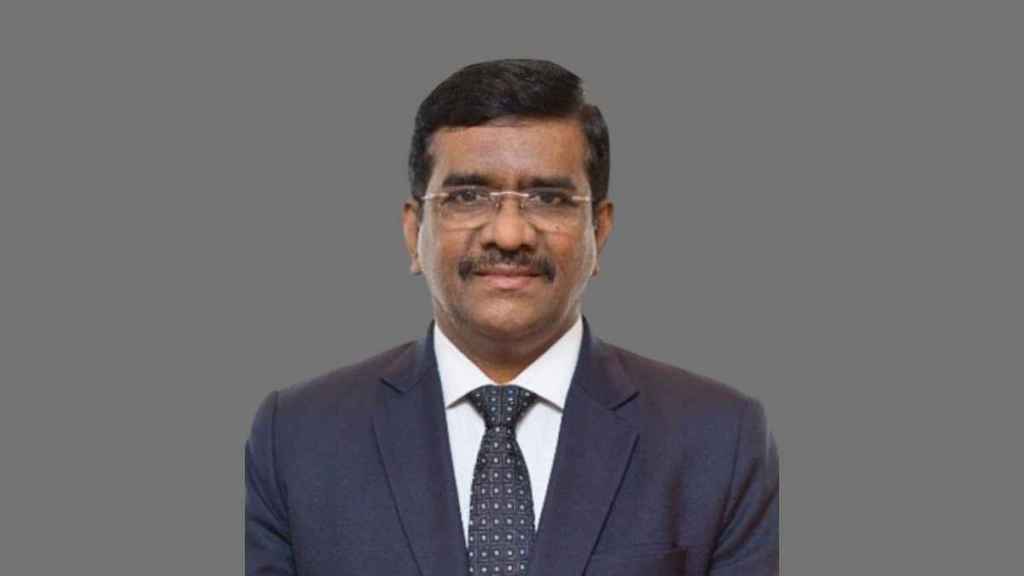

The National Bank for Financing Infrastructure and Development (NaBFID) aims to add at least Rs 1 lakh crore to its loan book annually through 2030, taking the portfolio to around Rs 5 lakh crore, MD & CEO Rajkiran Rai said. In an interaction with Christina Titus, Rai said urban infrastructure and ports will be key focus areas, while demand is also emerging from sectors such as railways, data centres and healthcare. Edited excerpts:
What are your loan-growth targets for this year and beyond?
We ended FY26 with a loan book of about Rs 1.15 lakh crore and expect to reach nearly Rs 2 lakh crore by the end of this year, implying growth of 70–80%. By 2030, the target is to add at least Rs 1 lakh crore annually, taking the book to around Rs 5 lakh crore.
Growth will moderate as the asset base expands. Currently, our focus is on fresh sanctions, but infrastructure projects are complex and require significant capabilities for continuous monitoring of performance and cash flows. As the book grows, that will put greater pressure on the organisation. At some point, therefore, we will need to consolidate.
Where is the demand coming from, and how much of the pipeline comprises greenfield versus brownfield projects?
About two-thirds of our book is concentrated in energy and roads. At the same time, new sectors are gaining traction, including urban infrastructure, railways, data centres, healthcare and ports.
We target a 50:50 mix between greenfield and operational assets. Currently, 43% of the sanctioned book is greenfield, but with more greenfield deals in the pipeline, we expect to move closer to 50%, in line with our board mandate.
Maintaining this mix is an important risk-management measure. An all-greenfield portfolio would carry greater risk, given that such projects are predominantly rated BBB.
How confident are you about private capex?
Private capital flows remain steady. In roads, investments are largely at the project level, while renewable-energy funding is mostly at the holding-company level, supported by a healthy pipeline and ongoing execution.
Data centres should also do well over the next few years. India’s capacity is still small—around 1–2 GW and heading towards 10 GW— but will eventually require 20–30 GW. We do not anticipate any problems in the sector over the next two to three years.
What are your key focus areas and the other segments you are targeting this year?
Our primary focus will be urban infrastructure. We are also focusing on ports and related segments, including shipbuilding, ship repairs and vessel financing, given their strong employment generation and multiplier effects.
We have already built significant exposure to ports and will continue to emphasise this segment.
You recently signed an MoU with NABARD to fund rural infrastructure. What is your roadmap for this initiative?
We are working on the model. The collaboration combines NABARD’s rural reach and understanding of these markets with our project-finance expertise. The focus will be on rural connectivity, warehouses and food-processing infrastructure.
Our teams are jointly developing a model to address gaps in transportation, storage and warehousing that currently limit value realisation from India’s large food output. Better infrastructure can help farmers secure better prices by reducing post-harvest losses and improving access to markets.