


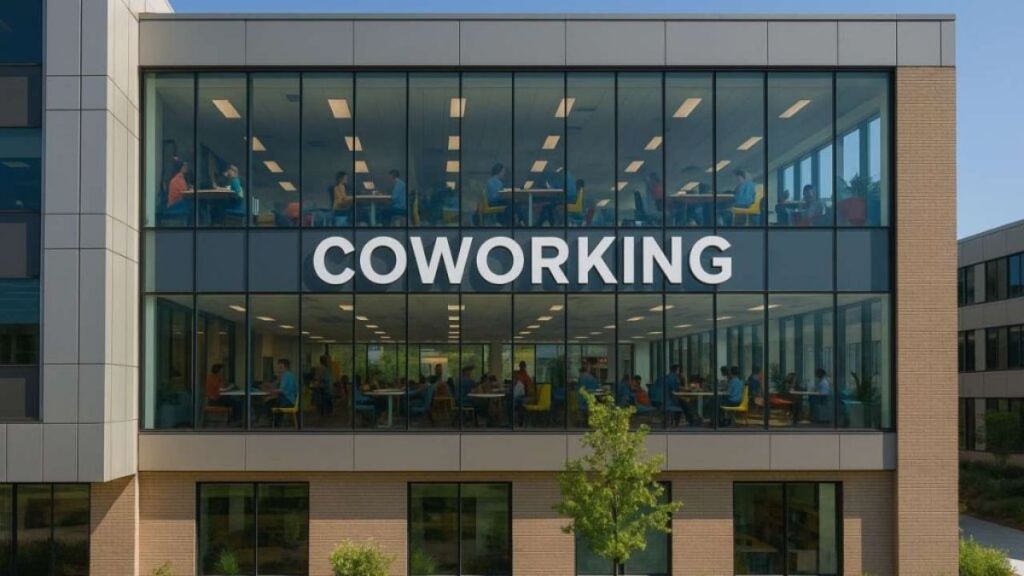

Global flexible workspace major IWG is aiming to more than triple its workplaces in the country to 400 in the next three years as well as introduce concepts such as Openoffice.
International Workplace Group (IWG), which operates brands such as Regus, Spaces and HQ, currently operates 125 centres in India and has another 200 in the pipeline, said country head Harsh Lambah. “We should be over 400 workspaces in the next three years,” he added.
The company also plans to launch Openoffice, its brand in Japan, in India by the fourth quarter of 2026. Openoffices are small, unmanned workspaces where customers come in, work and leave in the evening. It is also considering starting specialised workspaces such as clinics and medical spaces, and is looking at the warehousing sector as part of its global strategy, he said.
Lambah said that what differentiates IWG from others is its global network. “Nobody has that network all across. Our customer in Mumbai or in Delhi has access or a key to all these centres globally,” he said.
In terms of challenges faced by the company in India, Lambah said that finding compliant buildings across cities, especially in Tier 2 and Tier 3 markets, and doing a management agreement with customers which is flexible in nature have been tough. “There are a lot of buildings available, but the occupation certificate (OC) and the fire NOC (no objection certificate) are not available,” he said.
IWG operates more than 5,000 centres across its different brands in over 120 countries. The company signed a record 728 new locations globally in the first half of 2026, including 43 in India.
The demand for flexible spaces is growing fast in the country due to their lower costs and relatively lesser capital expenditure requirement.
JLL estimates flex stock across the top seven cities at 98 million square feet currently and says it could rise to around 137 million sq ft by 2028. Analysts at Kotak Institutional Equities put the stock at 103 million sq ft in 2025 — more than three times the 2020 stock of 33 million sq ft. They expect it to reach 169 million sq ft by 2028 and 236 million sq ft by 2030.