


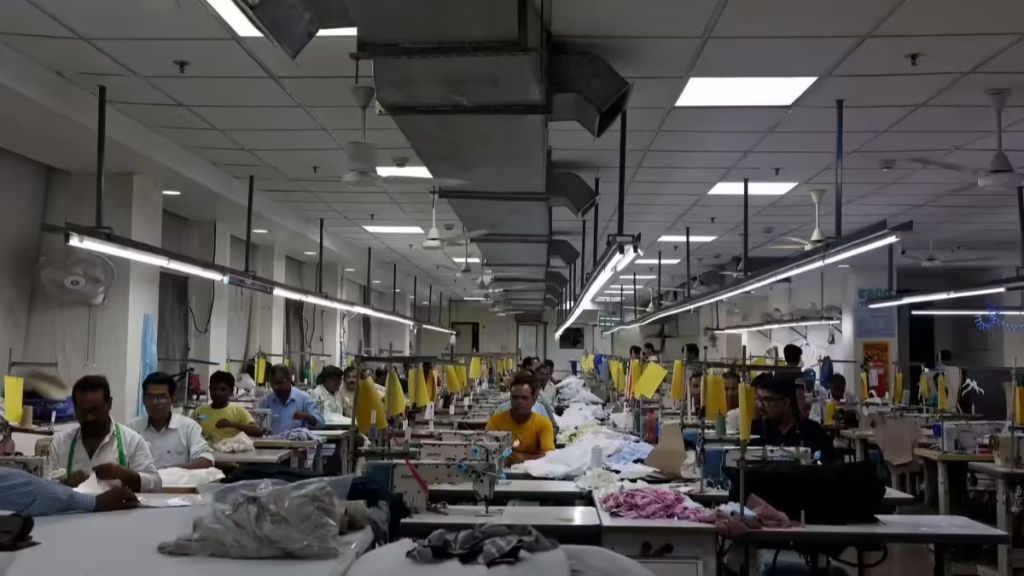

Climate change has become a growing concern for manufacturers in India — with the impact felt by hundreds of MSMEs. A new report by WRI India found that extreme heat and flooding were now affecting productivity and disrupting operations. Businesses operating in the country also face cascading shocks from these unpredictable weather events, leading to infrastructural failures and economic pressures
“Heat stress is affecting labour productivity, workforce well-being, and operational efficiency, while floods are damaging assets, disrupting logistics, interrupting supply chains, and constraining market access. Together, these risks are reshaping the conditions under which MSMEs operate, compete, and grow,” the report began.
The WRI report was based on a survey of 310 manufacturing MSMEs across Surat, Chennai and Coimbatore. It also highlighted the many changes that MSMEs would need to make in order to address the challenges posed by climate change.
Heat stress and flooding
The report flagged extreme temperatures and the growing risk of flooding as key points of concern for MSMEs. Workers are already facing the heat — with 92% of surveyed MSMEs reporting operational impacts.
Around 78% said that they had faced reduced productivity due to heat while more than half of the surveyed MSMEs linked worker absenteeism to heat exposure. According to the WRI India report, 41% of the surveyed companies reported that their employees had faced heat-related ailments. This issue is especially prevalent in labour-intensive manufacturing environments
Flooding posed an additional challenge for smaller businesses — causing direct damage as well as severe disruptions. Based on the survey, this includes transport and logistics issues, delays in raw material supply, and damage to inventory and machinery.
Flooding can also force workers to stay away, leading to interrupted production cycles, potential loss of market access and delayed deliveries. All these factors can convert into increased operational and recovery costs.
“Over 90% of affected MSMEs located in inundated areas reported operational disruptions, with nearly three-fourths experiencing business closure during flood events. Notably, a substantial share of MSMEs without premises-level flooding also reported business disruptions and closures, highlighting the importance of indirect and cascading impacts across interconnected infrastructure, service, and supply-chain systems,” the WRI report adds.
Reactive, localised solutions
The WRI India report noted that MSMEs continued to rely heavily on short-term coping strategies rather than proactive resilience measures. This meant persistent gaps remained in “climate-risk information, finance, technical capacity, and institutional support” — limiting its long-term impact. The report stressed the need to position MSME resilience as an integral component of economic and industrial development policy.
“MSME vulnerability and resilience are shaped not only by exposure to climate risks but also by the broader institutional, financial, and infrastructure systems within which they operate, highlighting the need for coordinated and systemic approaches to resilience-building beyond enterprise-level action,” the report reminded.