


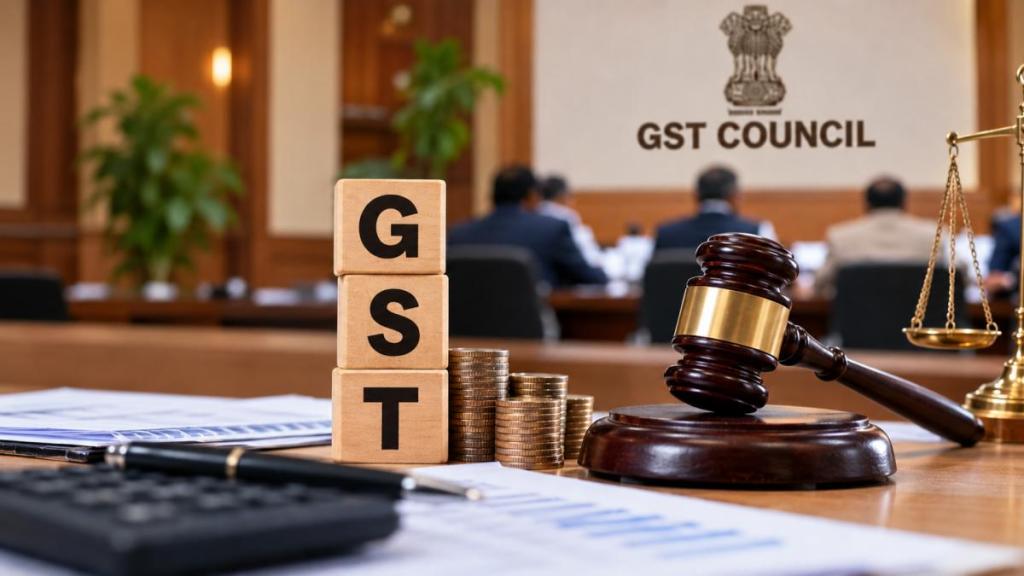

The GST Council will consider a proposal to remove arrest powers under the Goods and Services Tax regime at its October 7 meeting, as the government seeks to address concerns over tax authorities’ overreach and improve investor sentiment, Indian Express reported, citing two people aware of the development.
The proposal could mark a significant change in tax enforcement more than nine years after GST was introduced in July 2017. A final decision is pending and any removal of arrest provisions would require legislative changes.
According to the report, the Centre and states have held consultations over the past eight to nine months to build a broad consensus. The discussions have involved senior levels of the Union government, with businesses flagging arrests as an impediment to their operations.
Business concerns drive review
Recent arrests of senior functionaries under GST provisions have added urgency to the discussions, IE reported. Industry leaders have described some of these actions as overreach by tax authorities.
“The consultations had been going on since the last eight-nine months. The feedback from businesses about the arrests has been taken into account to move ahead with this discussion,” Express quoted a source as saying.
“The GST Council will take up the matter and the final decision will be taken after that, following which there will be legislative changes to allow removal of arrest provisions under GST laws,” the source added.
The Council’s 57th meeting is scheduled for Wednesday (October 7). Following its deliberations, the Centre is expected to bring an amendment during Parliament’s Winter Session to enable the proposed change, the report said.
Intentional fraud and deceit would still face criminal action. A source quoted by Indian Express said authorities would pursue prosecution, with arrests in such cases routed through the Bharatiya Nyaya Sanhita.
How arrest powers work
Under the Central GST Act, non-compliance can attract penalties under Section 122, interest under Section 50 and recovery of unpaid tax. Specified offences involving deliberate tax evasion can also lead to arrest and prosecution.
Section 69 allows the Commissioner to authorise a central tax officer to make an arrest when there are “reasons to believe” that a person has committed specified offences. These include certain offences involving fake invoices and fraudulent claims for input tax credit. The power is subject to the offence and punishment conditions set out in the Act’s criminal provisions.
Such reasons must rest on credible material and evidence, rather than mere suspicion, and must be recorded in writing.
Central GST formations made 887 arrests across 72,393 cases of GST offences between 2021-22 and 2024-25, according to figures cited in the IE report. Arrests made by state authorities are additional to this total.
Fraud cases have included the use of fake identities and mule accounts to claim input tax credit, as well as invoices issued without any actual supply of goods. Other practices include undervaluing goods, understating raw material purchases and supplying taxable goods or services without paying the GST due.
Wider decriminalisation push
The proposed GST changes follow a similar move concerning direct tax recovery. In September, the Central Board of Direct Taxes removed arrest and detention provisions from tax recovery rules, with retrospective effect from April 1, 2026, Indian Express reported.
The change bars tax officials from using arrest in cases of tax default under those recovery rules. It was introduced through the Income-Tax (Fourth Amendment) Rules, 2026, notified on September 17.