


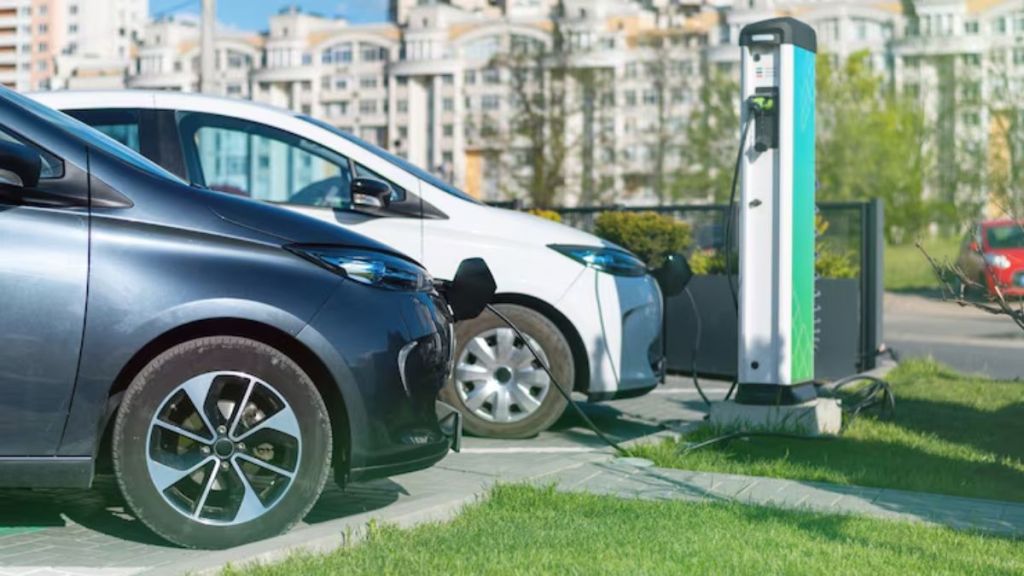

The GST Council is expected to consider a proposal on October 7 to bring electric vehicle (EV)-based passenger transport and vehicle rental services under the same tax framework that currently applies to conventional internal combustion engine (ICE) vehicles, effectively making the treatment technology-neutral.
Under the proposal, operators providing vehicles with a driver would have the option of paying GST at 5% with restricted input tax credit (ITC), or 18% with full eligible ITC. The 5% and 18% structure is already available for comparable services involving conventional vehicles, and the proposed change would extend the same treatment to EVs.
The proposal is therefore largely aimed at removing a distinction in the GST treatment of electric and conventional vehicles when they are used for passenger transport or rental services. It does not amount to a new 18% GST option for fleet operators, as the higher-rate route with full eligible ITC is already available for ICE-based services.
The distinction is important because the GST rate on the vehicle itself is separate from the GST applicable to the service supplied by the fleet operator. EVs attract 5% GST, while the operator providing a passenger transport or rental service can, subject to the applicable framework, be taxed at a different rate.
Under the proposed treatment, an EV fleet operator would therefore have the same choice available to an ICE fleet operator: pay 5% GST with restricted credit or opt for 18% GST and claim full eligible ITC.
The proposal also seeks to provide clarity on the credit available in relation to vehicles and associated expenses. The proposal provides for ITC treatment covering eligible vehicle-related inputs and capital goods, while also addressing expenses such as insurance, servicing, repairs and maintenance.
For fleet operators, the 18% option could be relevant where they have substantial GST-bearing costs and can utilise the eligible credits. The 5% route, meanwhile, would continue to offer a lower GST rate but with restrictions on the credit available.
The proposal also addresses leasing, renting and hiring of vehicles, besides clarifying the treatment of certain charges recovered by lessors from customers. Such amounts, including registration charges, road tax and insurance, are proposed to be treated as part of the lease value and taxed accordingly.
Industry executives said the proposed alignment would provide greater clarity for EV fleet operators and remove a potential tax distinction between electric and conventional vehicles. The broader objective is to ensure that the GST framework does not differentiate between the two technologies when they are used for comparable commercial transport services.