



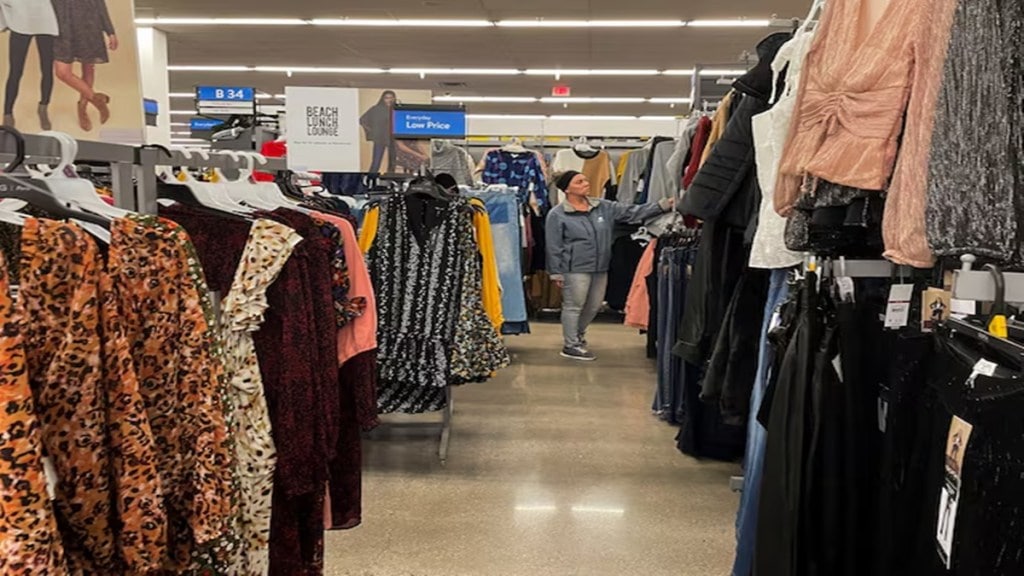
The post-GST 2.0 shopping basket is a study in contrast. The tax cuts have boosted sales in the value segment led by apparel retail, but activated premiumisation in durables and beauty categories.
Value Surge
According to retailers and mall operators, since the goods and services tax (GST) cut, there has been a surge in sales of apparel priced below Rs 2,500 after a two-year lull in demand. On the other hand, consumers have used GST cuts in durables and beauty to upgrade to better products.
The shift is showing up in the financial performance of companies. The Retailers Association of India (RAI), an apex body of retailers, has also corroborated this trend in its survey covering the August-October period where it noted that categories such as apparel, footwear as well as food and grocery saw a sharp uptick of about 9-12% in retail sales between September 22 and October 26 due to GST cuts.
“Value-led categories, including apparel under Rs 2,500 and footwear in the 12% GST slab, saw steady growth. But apparel priced above Rs 2,500, which moved from 12% to 18% GST slab, showed comparatively lower traction,” Kumar Rajagopalan, CEO, RAI, said.
Listed value fashion retailers such as V2 Retail, V-Mart, Vishal Mega Mart and Baazar Style Retail have together reported a 33% year-on-year revenue growth and double-digit same-store sales growth (SSG) in the September quarter, according to their Q2 results. Premium apparel retailers such as Aditya Birla Fashion, Arvind Fashions, Vedant Fashions have reported a mixed performance during the quarter with 10-13% revenue growth and 7-9% SSG. The trend has continued into October and November, though December may see premium fashion do well on the back of weddings, experts said.
Premiumisation in durables and beauty
In durables, most brands such as LG, Samsung, Haier, Voltas and Godrej have reported strong double-digit growth (between 25-30%) in premium categories across home appliances between September and October versus last year, according to data sourced from the industry. While beauty retailers such as Nykaa, Tira and Shoppers Stop continue to premiumise their beauty portfolios to tap discerning consumers, especially in urban areas.
“The growth in value fashion has been led in part by Gen Z consumers, who are looking to change their wardrobes often. At a broader level, price-conscious consumers have staged a comeback with the GST cut in apparel and footwear, which was timed with the festive season. In durables, consumers want to lock in purchases for a longer duration, so the GST cut in some categories and a broader need to upgrade have fuelled premiumisation,” said Naveen Malpani, partner & leader, retail & e-commerce, Grant Thornton Bharat.
Pratik Dantara, chief investor relations officer and head of strategy at Nexus Select Malls, which runs 19 malls across the country, says that value retailers have also been aggressive in setting up stores to tap into the overall buoyancy in value fashion. Retail consultancies estimate that value retailers have added at least 100 stores in the first half of FY26, higher than most other segments.
“Like-for-like consumption growth in Q2 (for Nexus Select Malls) was over twice what it was in Q1 of FY26, driven by fashion, jewellery, beauty & personal care and electronics. This momentum is likely to sustain in the second half of the year as discretionary spending improves and categories such as value fashion booms,” Dantara says.
Durables majors have been counting on the premiumisation wave to get even stronger in the second half, though rupee depreciation woes and the introduction of new energy efficiency norms may see price increases in the new year in categories such as refrigerators and ACs.
“There is a lot of interest among consumers for smarter appliances, keeping in mind connectivity requirements, efficiency, durability and service. I think going forward we would continue to see a significant uptick in what one would term as smart products,” Jayant Balan, senior business leader at Voltas, said.