


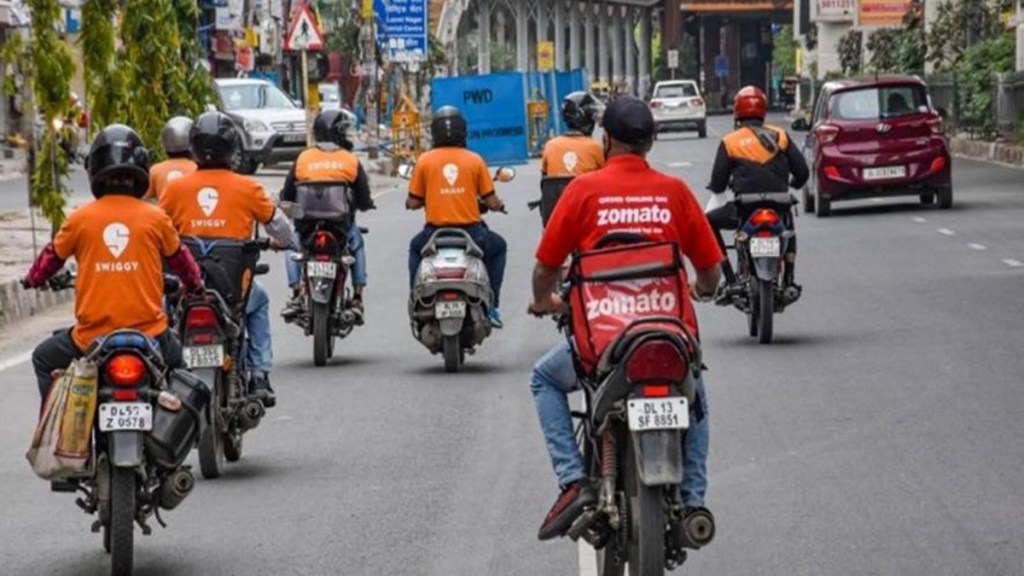

The government has constituted two boards to frame targeted welfare schemes for unorganised, gig, and platform workers, to bridge social security gaps for millions of workers, the labour ministry said on Friday.
The National Social Security Boards for unorganised workers, and gig & platform workers will be presided over by the union labour minister and comprise representatives from central and state Governments, aggregator companies, employers, civil society organizations, workers’ unions and gig and platform associations.
“The Boards are mandated to design, monitor, and recommend targeted welfare schemes to bridge the social security gap for millions of gig & platform workers alongside traditional unorganised workers,” the ministry said in a release.
Along with the unorganised sector, India’s gig economy has grown sharply in recent years. The Economic Survey in January said that the gig economy saw a 55% increase to 1.2 crore workers in FY25, making up for over 2% of the total workforce in India.
Growth of gig workers outpaces overall employment, with non-agricultural gigs projected to constitute 6.7% of the workforce by 2029-30, contributing Rs 2.35 lakh crore to GDP, the Economic Survey had said.
“Established under the statutory framework of the Code on Social Security, these Boards mark a historic shift by integrating digital gig and platform professionals into India’s formal welfare architecture,” the ministry said.
The two boards will recommend the central government on framing suitable schemes for different sections of unorganised workers, gig workers and platform workers. They will also monitor such social welfare schemes for unorganised workers, gig workers and platform workers.
The boards will review the record keeping functions performed at the state level, review the expenditure from the fund and account, and undertake other functions that are assigned by the central government from time to time.
The National Social Security Boards will meet at least thrice a year and observe rules of procedure relating to the transaction of business at its meetings, as prescribed by the central government.