


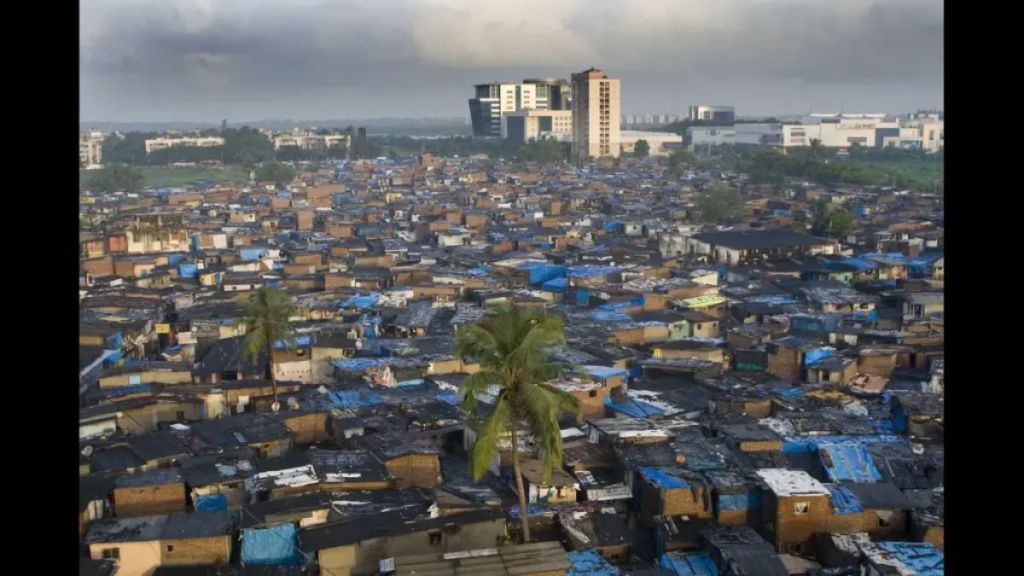

Before a single family moves into a new Dharavi home, residents will get to walk through one. The developer of the 621-acre redevelopment — among the most ambitious urban renewal projects attempted anywhere — is preparing to throw open an immersive experience centre where Dharavi’s residents can see, touch and step inside the neighbourhood being promised to them: the homes, the roads, the open spaces, the works.
Until then, their questions are being fielded round the clock by “Dharavi Didi” — an artificial intelligence-powered assistant that answers queries on survey status, eligibility, documentation, rehabilitation benefits and project timelines over WhatsApp, voice and video calls, in Marathi, Hindi and English.
“The objective is to reduce misinformation and provide a reliable source of information that is accessible at any time,” Mahendra Kalyankar, chairman of Adani Navbharat Developers (ANDPL) and CEO of the Dharavi Redevelopment Authority/Slum Rehabilitation Authority (DRP-SRA), told FE.
The showpiece of the Dharavi Experience Centre, expected to open shortly, will be a full-scale sample apartment — letting families physically experience the layout and functionality of the proposed 350 sq ft homes rather than squint at drawings and floor plans. The first phase, spanning more than 12,000 sq ft, will pair the sample-and-show flats with an immersive digital walkthrough of the new Dharavi, told through displays, visualisations and interactive technology. It will also celebrate what makes Dharavi Dharavi: its history, culture, entrepreneurship and community life. A second 6,000 sq ft phase will showcase the redevelopment of external land parcels.
“The objective is to allow people to visualise what a redeveloped Dharavi will actually feel like,” Kalyankar said.
Behind the scenes, the technology runs deeper still. A digital twin of Dharavi — a virtual replica built from drone surveys, LiDAR mapping, GIS technology and door-to-door digital surveys — is being used to map every existing structure and plan roads, buildings, utilities, drainage, open spaces and social infrastructure.
The tech blitz has a clear purpose: winning over residents in a project that hinges on rehabilitating a vast number of households. “A project of Dharavi’s scale can only succeed with the active participation of residents. Community engagement remains central to the redevelopment process,” Kalyankar said, adding that teams continue to meet residents on the ground, help with documentation, conduct surveys and explain rehabilitation entitlements.
The stakes of getting sentiment right are well understood. Gulam Zia, international partner and senior executive director at Knight Frank, called managing public sentiment one of the most important pillars of the project. “Earlier efforts to redevelop Dharavi essentially failed due to lack of support from residents,” Zia said.
The numbers suggest momentum. More than 99,000 structures have been numbered and documentation of nearly 93,000 households completed, Kalyankar said. Letters of intent have been issued for over 53,000 tenements, and commencement permissions granted for several rehabilitation buildings.
The long-term blueprint envisages nearly 160,000 rehabilitation and renewal tenements, alongside upgraded infrastructure, open spaces, social amenities and commercial and industrial facilities — while preserving the economic ecosystem that makes Dharavi one of Mumbai’s most productive square miles.
There are sweeteners for the transition too: families get one year’s rent in advance, shifting assistance and brokerage support, with rent rising 5% annually until they take possession of their new homes, Kalyankar said.