


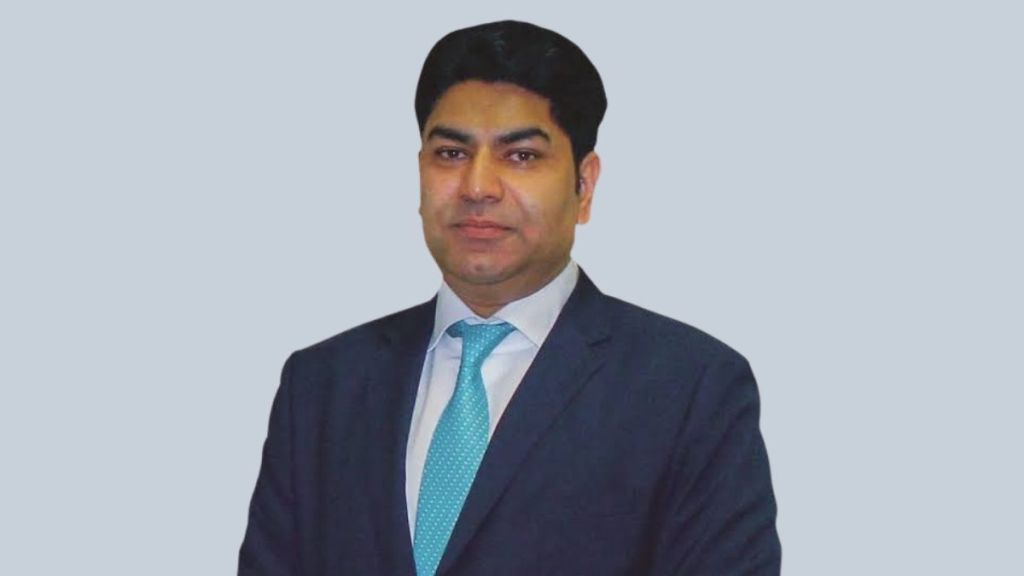

Trends in the country’s real estate market today are somewhat diverse with office markets seeing good traction while residential sales remain soft in many pockets. Anshuman Magazine, chairman & CEO for India, South-East Asia & Middle East at CBRE, tells Raghavendra Kamath the residential sales momentum in the festive season and the rest of FY27 is expected to stay stable. Excerpts:
Why are private equity deals in real estate coming down, especially foreign investments?
Investors look at returns as well as risk and market capacity to absorb the money. What has happened is that the participation of domestic capital has increased significantly, despite the rupee volatility and geopolitical issues. This is good for the market and that trend will continue. Earlier institutional investors felt real estate investments were risky but now they have gained confidence. It is good that the sector is not dependent on foreign capital, but we need to make more efforts to get foreign capital. However as global issues settle down and our markets expand, we see more foreign capital coming in.
A recent report noted that office leasing deals were taking more time to close due to the West Asia conflict. What is your reading of this?
No, in the first two quarters of 2026, the absorption was highest ever. The growth percentage may come down, due to the high base, but we will still grow. Last year, the take up was 82 million sq ft and while these are the early days, our expectation is that we will grow by 4-5% YoY. The push normally happens in the last quarter. The West Asia Conflict has not impacted office leasing directly but the markets may have grown at 7-8% had there been no conflict. Decision making had slowed down in between but it has improved.
Residential sales and launches have been soft in recent months. How do you think property developers handle it?
Developers are navigating this phase through a disciplined, demand-aligned supply approach – introducing around 63,800 units in Q2 via phased and tower-wise launches to keep unsold inventory strictly contained. In addition, developers are exploring right-sizing in markets like Pune, Hyderabad, and Greater Noida to maintain price competitiveness amid elevated land and construction costs. Premium housing of Rs 1.5–3 crore will continue to act as the primary demand anchor, contributing 30–35% of total sales. It is supported by resilient end-user sentiment, active investor participation, rising household incomes, and ongoing infrastructure upgrades.
How do you view the evolution of REITs? Have they given retail and HNI investors good investment options and exit options for promoters?
Absolutely yes, they have been a needle mover. REITS have given foreign investors confidence that an institutional structure is available for such properties. Retail investors can participate in commercial properties which was impossible earlier. Thanks to REITs a lot of investment has come into office properties. REITs are here to stay and become more successful in years to come. I feel every income -producing property be it a hotel or manufacturing unit, warehousing, can become a REIT. Large factories can be taken on lease by companies and owners can put them in a REIT.