


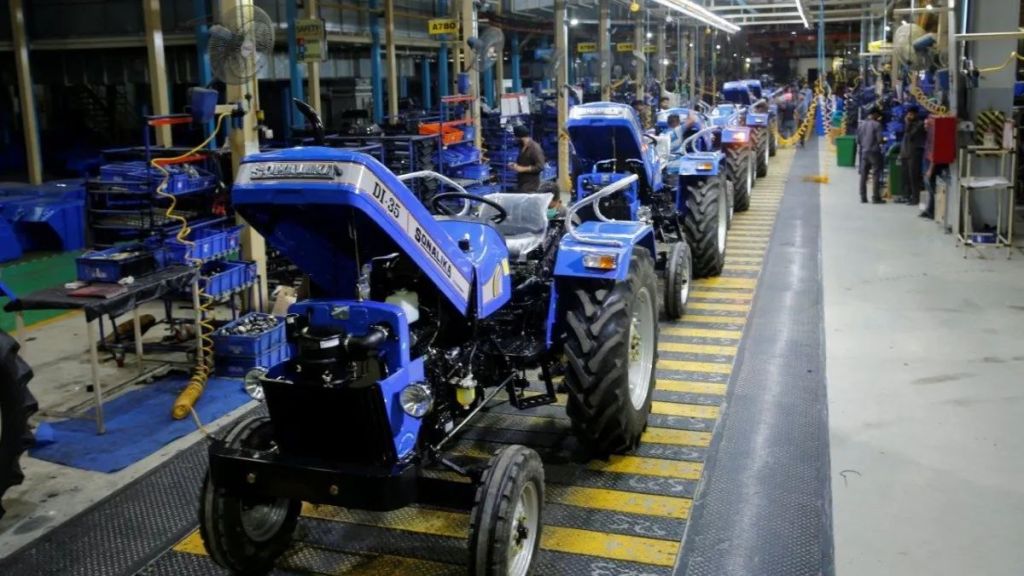

Tractor wholesale volume growth is projected to moderate to 1-4% in FY2027, following a strong 23.5% year-on-year expansion in FY2026, according to ICRA. The slowdown is expected to be driven by a high base and downside risks from an uneven and deficient monsoon, which could weigh on agricultural activity and rural incomes.
August tractor wholesale volumes rose 6.5% year-on-year, while retail registrations grew just 0.8%. ICRA said retail demand is beginning to reflect an unfavourable base after nearly 18 months of strong double-digit growth. Emerging rainfall stress across some rural pockets is adding to the pressure.
Monsoon performance remains the key risk for tractor demand in FY2027. Driven by the emergence of El Nino patterns, cumulative southwest monsoon rainfall stood at 85% of the Long Period Average (LPA) as of September 14, 2026.
The India Meteorological Department’s first-stage Long Range Forecast had projected total precipitation at 90% plus or minus 4% of the LPA, with subsequent data indicating significant rainfall deficits across the country.
ICRA cautioned that sustained rainfall deficits could hurt kharif crop production and farm incomes, potentially curbing farmers’ ability to invest in tractors and other farm machinery. This could also delay replacement demand over the remainder of FY2027, particularly if rural cash flows remain under pressure.
Despite the expected moderation in volumes, tractor manufacturers are likely to maintain resilient operating margins. ICRA said operating leverage and stable raw material procurement costs should support profitability even as industry growth slows.
The outlook, however, remains closely tied to the monsoon and the resulting impact on farm incomes. A sustained recovery in rainfall and rural cash flows could support tractor demand, while prolonged deficits could further moderate replacement and new tractor purchases through FY2027.