


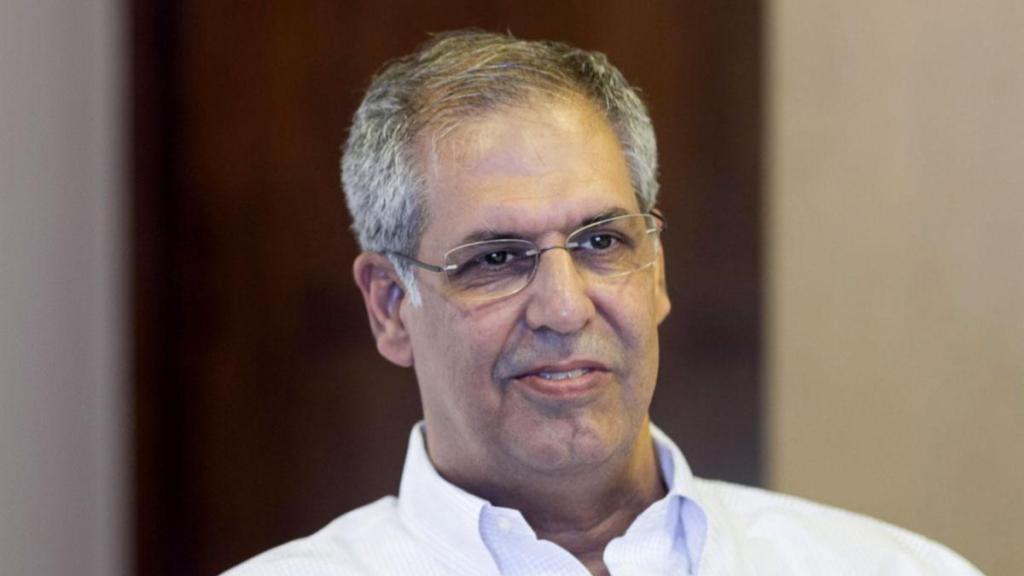

Tata Trusts Chairman Noel Tata said on Tuesday that a public listing would expose Tata Sons to greater market scrutiny, disclosure requirements and oversight by minority shareholders, potentially reducing the Trusts’ influence over the group’s strategy. The pressure to meet investors’ quarterly expectations could also affect the group’s philanthropic work, he said.
His remarks come a day after Tata Trusts, which owns 66% of Tata Sons, proposed merging two Tata group companies with the holding company, as the charity seeks to sidestep a Reserve Bank of India requirement that Tata Sons list its shares.
Speaking at at a Republic TV event, Tata said, “When you have investors, and they could be investors from abroad, (they) seek profit and make sure that their investment goes up quarter by quarter. How do we manage these two contradictions?” he said, referring to the tension he sees between investor returns and the group’s philanthropic mission.
“Why do we want to avoid listing? We believe that it will fundamentally change the way the company and the group has been run over the last 100 years,” he added.
Tata said the group’s operating companies already balance their obligations to investors with the need to generate returns. But he argued that the dividend income they pay to Tata Sons should not be subject to the same quarter-by-quarter expectations.
He also pointed to Tata Sons’ role as a backstop for group companies in financial difficulty. That support, he said, gives comfort to banks, other lenders, shareholders and suppliers. If Tata Sons were listed, public shareholders could question whether it should continue using its resources to support a struggling group company.
The Trusts believes the addition of operating businesses would change Tata Sons’ regulatory classification and provide a route to remaining private. The proposal still needs to be considered by the Tata Sons board and the RBI.
“It’s not rocket science. It’s a solution that takes us back to our roots…We would like Tata Sons to review and, if necessary, modify and engage with the RBI, as we believe that this is a solution which would enable us to avoid listing,” Tata said.
He said the Trusts would continue to engage with the regulator. He also acknowledged their responsibilities as Tata Sons’ controlling shareholder.
“We give our voice on the board of Tata Sons. And we try and make sure that the philosophy of the group — on the one hand, invest in projects that the company needs, and on the other hand, spend on socially required schemes — both get their fair due in the running of the company,” he said.
Tata said healthcare and education would remain the Trusts’ principal philanthropic priorities, alongside skill development. The Trusts plan to develop general hospitals in Solapur and Amravati and aim to establish about 50 hospitals across India over the next decade.
In education, he said, the Trusts have committed Rs 250 crore to IIM Bangalore towards an undergraduate university, with a further Rs 250 crore planned three years later. They are also examining work in primary education and ways to align education and skills more closely with future jobs.