


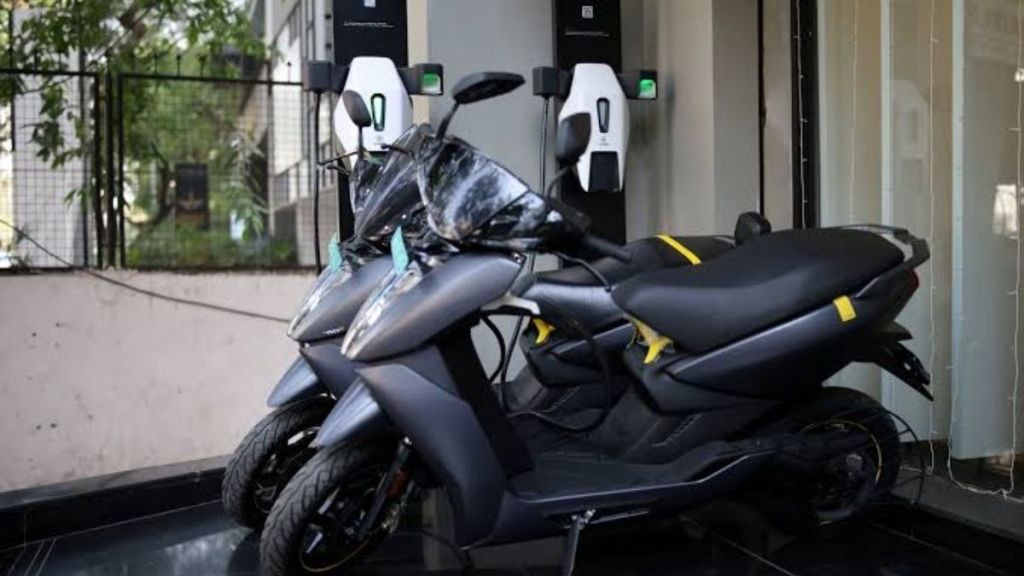

India’s electric two-wheeler boom is no longer a race limited to legacy OEMs and new-age start-ups. Smaller brands such as Greaves Electric Mobility, River Mobility, Bgauss Auto and Simple Energy are clocking record volumes, prompting several players to raise funds for capacity expansion as they surpass their full-year volumes of 2025 in less than nine months.
Greaves Electric Mobility, which produces the Ampere brand of electric scooters, has sold 66,069 units so far in 2026, far outpacing the 57,699 units it sold in the whole of the previous year, according to Vahan data. The Bengaluru-based EV firm, which briefly overtook Ola Electric to claim the fifth spot in September, has plans to double its market share to over 10% in two years.
Similarly, Yamaha-backed EV startup River Mobility more than doubled its EV sales to 35,250 units, while Mumbai-based Bgauss Auto clocked 32,101 units, against 25,131 units in the whole of the previous year. Bengaluru-based Simple Energy also registered 11,000 units, compared with 6,628 units in 2025.
Poonam Upadhyay, Director, Crisil Ratings said the scaling up of domestic cell manufacturing under the PLI scheme has helped moderate battery costs, narrowing the cost gap with imported cells and easing pricing pressure in the entry-level segment. “Product availability has also expanded across price points, offering consumers a wider range of options than in the market’s early years,” She added.
The record sales of smaller or regional EV brands come as India’s electric two-wheeler industry has hit a new high of 1.44 million registrations so far in 2026, surpassing the previous record of 1.34 million set in 2025. Industry experts attribute the record volumes to widening product choices, expanding service networks, falling ownership costs and rising fuel prices, which created a shift in consumer behaviour from petrol vehicles to EVs.
Electric two-wheeler majors like TVS Motor, Ather Energy and Bajaj Auto have all announced capacity expansion to keep pace with the burgeoning demand, even as delivery timelines have stretched to as much as two months from around two weeks earlier for leading OEMs.
A similar trend is now emerging among smaller brands. With registrations already crossing the full-year tally of 2025, smaller EV makers are also raising funds to expand capacity and strengthen their operations.
River Mobility last month raised $120 million in a Series C funding round, led by Elev8 Venture Partners and Claypond Capital, with participation from a clutch of investors including Singularity AMC, Anicut Capital, and 360 ONE Asset. The company intends to use the fresh capital to expand capacity at its existing manufacturing facility, set up a new greenfield plant, launch new products in the utility lifestyle segment, and improve gross margins and EBITDA profitability.
IPO-bound Simple Energy is reportedly working on a large fundraise to enhance production capacity while Bgauss raised $11.6 million in a Series D funding round late last month.
To be sure, TVS Motor, Bajaj Auto, Ather Energy, Hero MotoCorp and Ola Electric continue to dominate 83% of India’s electric two-wheeler volumes. Upadhyay said the next phase of competition is likely to be determined by distribution and after-sales capabilities.
“Manufacturers with established dealer networks and financing partnerships enjoy a clear advantage in customer retention and repeat purchases,” Upadhyay said, adding that newer entrants often struggle to sustain momentum beyond initial demand.