


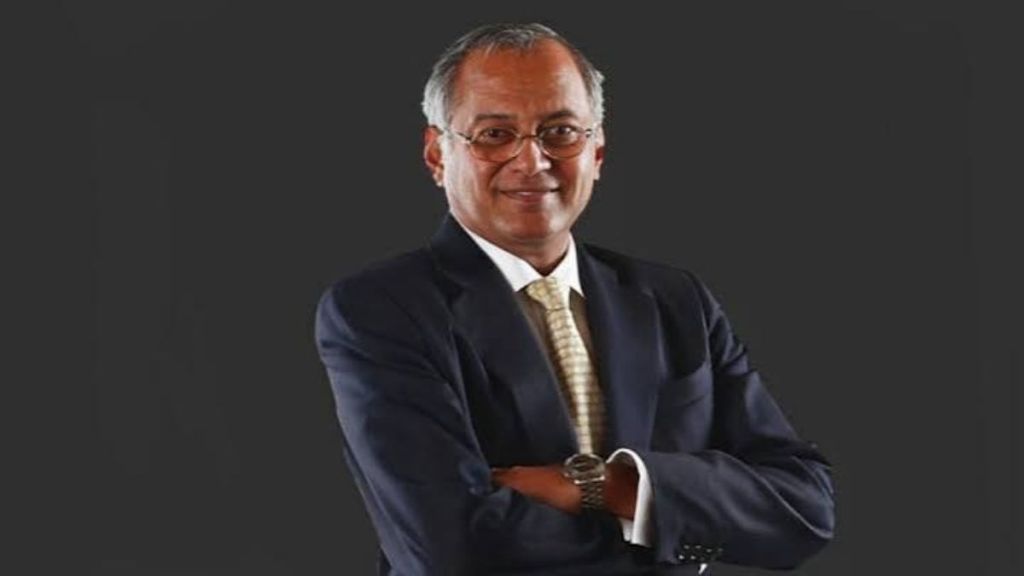

Venu Srinivasan on Thursday rebuffed an eleventh-hour attempt by the Sir Dorabji Tata Trust (SDTT) to keep him out of the vote on listing Tata Sons, hours before the board approved steps towards a public float and a fresh five-year term for chairman N Chandrasekaran — a refusal that has brought a split within Tata Trusts into the open, people familiar with the matter said.
SDTT, the largest of the Trusts and the single biggest shareholder in Tata Sons, told Srinivasan to recuse himself from the listing discussion and vote, the people said, arguing that a Trust nominee should not back a proposal contrary to the controlling shareholder’s stated preference for keeping Tata Sons an unlisted private company.
Srinivasan declined. He maintained that, as the joint nominee of SDTT and the Sir Ratan Tata Trust (SRTT), he could not be directed — or removed from a board decision — by one Trust acting alone, and that as a director he was bound to exercise independent judgment in the company’s interest. He voted for beginning the listing process, while Tata Trusts chairman Noel Tata, the other Trust-nominated director, opposed it; the board approved the move regardless.
The episode exposes a disagreement so far confined within the Trusts. Noel Tata has argued that Tata Sons should remain privately held, in line with the Trusts’ earlier position. Srinivasan’s view is that the company must comply with the Reserve Bank of India‘s listing requirement after the regulator rejected its bid to surrender its core investment company registration — the escape route Tata Sons pursued after repaying over Rs 21,000 crore of debt, having been classified an upper-layer NBFC in September 2022 with a three-year listing deadline.
The clash raises a classic governance question — is a nominee director bound by the shareholder that nominated him, or by his own judgment once on the board? — and underlines how hard a unified Trusts position has become. Srinivasan is a trustee of both SDTT (which holds about 27.98% of Tata Sons) and SRTT (about 23.56%), besides being their joint nominee. Notably, in the parallel dispute over Chandrasekaran’s reappointment, the Trusts have argued certain decisions need the affirmative vote of both their nominees — yet the nominees split there too, Noel Tata opposing the extension and Srinivasan backing it.
The attempt to restrain Srinivasan suggests the fight is no longer merely between Tata Trusts and Tata Sons’ management; it is now a contest within the Trusts over who speaks for the controlling shareholder. Thursday’s events thus leave Tata Sons with board approval to pursue a listing — but without a settled view from its 66% owner on whether its own representative should have supported it at all.