


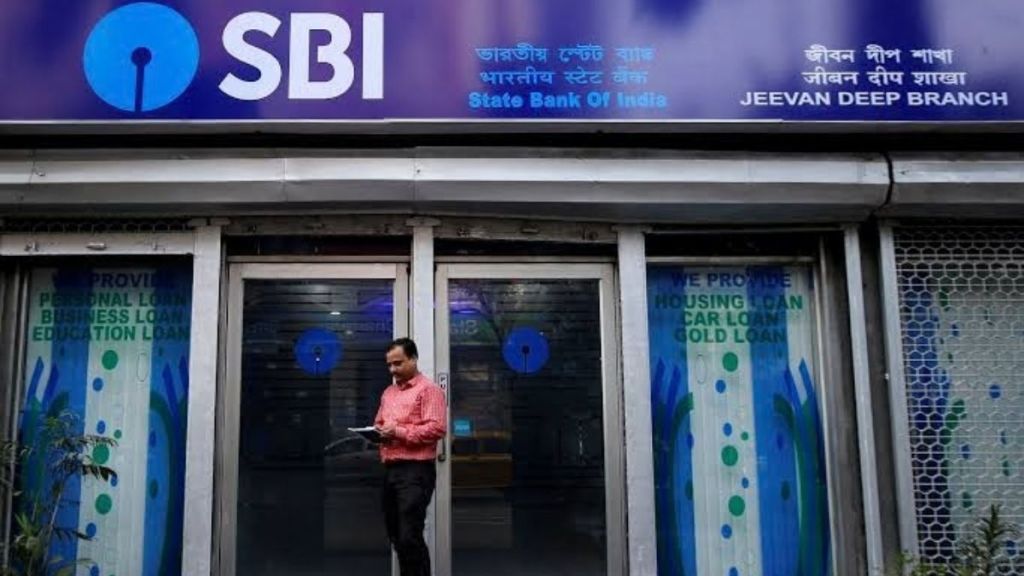

State Bank of India (SBI) expects the new merchant discount rate (MDR) framework for UPI transactions to help it recover most of the costs associated with processing such payments and also generate a modest surplus, a senior bank official said.
“From the MDR guidelines, we expect to recover most of it and also make some profits out of it,” the official said.
The development could provide some relief to banks that have seen UPI transaction volumes surge even as the zero-MDR regime limited their ability to recover the costs of processing merchant payments.
SBI processed 6.21 billion UPI transactions worth Rs 7.65 lakh crore in August, according to data from the National Payments Corporation of India (NPCI), underscoring the scale of transactions handled by the country’s largest lender.
Under the new framework, an MDR of 0.4% will be levied on person-to-merchant (P2M) UPI transactions above Rs 2,000. For transactions of Rs 75,000 and above, the MDR will be capped at Rs 300 per transaction. The guidelines will come into effect from October 15.
The MDR is a fee charged to merchants for processing digital payments and is typically shared among entities in the payments ecosystem. The new framework is expected to allow banks and payment service providers to partly offset the technology and infrastructure costs associated with processing the rapidly growing volume of UPI transactions.
The new MDR regime assumes significance for SBI given its large share of the UPI ecosystem. With transaction volumes continuing to expand, even a relatively small charge on eligible merchant payments could help the bank defray a substantial portion of the costs incurred in maintaining and scaling its digital payments infrastructure.