


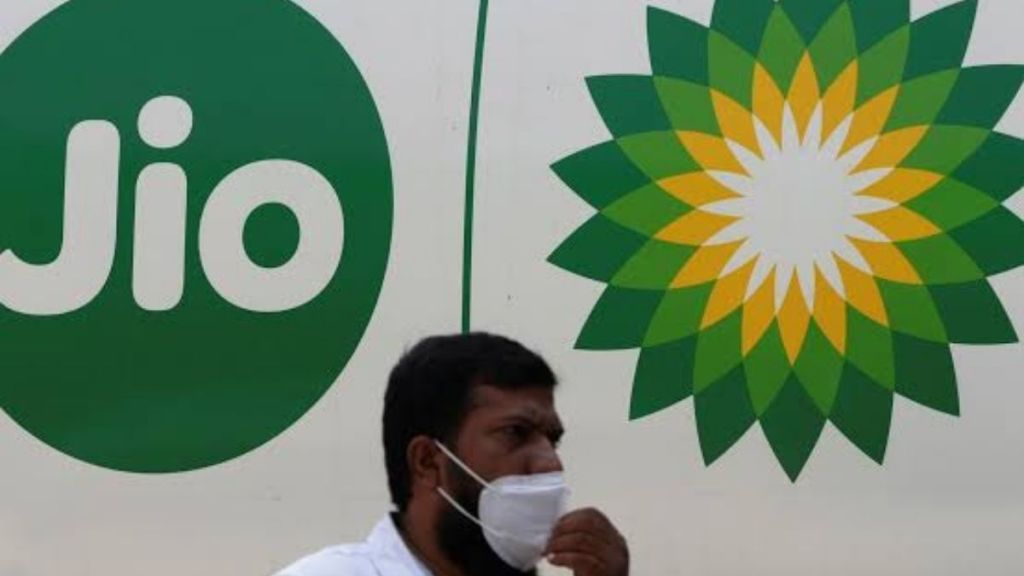

Reliance Industries‘ joint venture with British energy major bp has capped diesel sales at 50 litres per fill and introduced daily sales limits at its fuel outlets as prolonged disruptions in West Asia and reduced Russian fuel exports tighten global diesel supplies, a person aware of the development said.
The restrictions cover Jio-bp’s retail network spanning 21 states and Union Territories. Reliance reported 2,221 outlets at the end of June 2026. Similar curbs introduced earlier this year were gradually eased before the latest restrictions.
The restrictions have created difficulties for long-distance transporters, who depend on substantial fuel supplies to complete their journeys.
“The 50-litre cap is troubling transporters like us who operate on long routes,” said Sameer Ali, a transporter from Pilkhuwa, Uttar Pradesh.
Responding to Financial Express queries, a Jio-bp spokesperson said, “All Jio-bp Mobility Stations are operational and adequately stocked to serve our customers. We continue to offer our high-performance Active Technology Petrol and Diesel and remain committed to providing seamless and reliable refuelling services across our network.”
Daily diesel sales at individual outlets have also been capped at 6,000 litres, the person aware of the development said.
The spokesperson said the company was responding to changing demand conditions, particularly from industrial and other non-transport consumers.
“Given the prevailing demand dynamics, we are taking appropriate measures to ensure equitable availability of fuel for mobility and transportation needs, particularly in view of demand from industrial and other non-transport use. These measures are intended to support the broadest possible access to fuel for customers based on demand conditions.”
“Our focus remains on ensuring fuel availability and a seamless customer experience across the Jio-bp network,” the spokesperson added.
The restrictions come amid continuing disruptions in the Strait of Hormuz and Bab el-Mandeb, which have constrained global petroleum product shipments. Middle Eastern diesel exports halved year-on-year during March-August, while attacks on Russian refineries have further tightened supplies.
Russia banned diesel exports in July following refinery disruptions. A drone attack on September 20 subsequently halted crude processing at Gazprom Neft’s Moscow refinery, adding to supply pressures. European diesel futures have more than doubled since the beginning of 2026.
Meanwhile, India’s diesel exports declined 14.3% month-on-month to 2.09 million tonnes (MT) in August from 2.44 MT in July, according to preliminary government data. Shipments were also 19% lower than the 2.58 MT exported in August last year.
Reliance, a major petroleum products exporter, also supplies diesel to overseas markets, including Europe.
To discourage exports and safeguard domestic fuel availability, the government reintroduced windfall levies on petroleum product exports in March. On September 16, it reduced the diesel export duty to ₹20 per litre from ₹25 under its fortnightly review mechanism.