



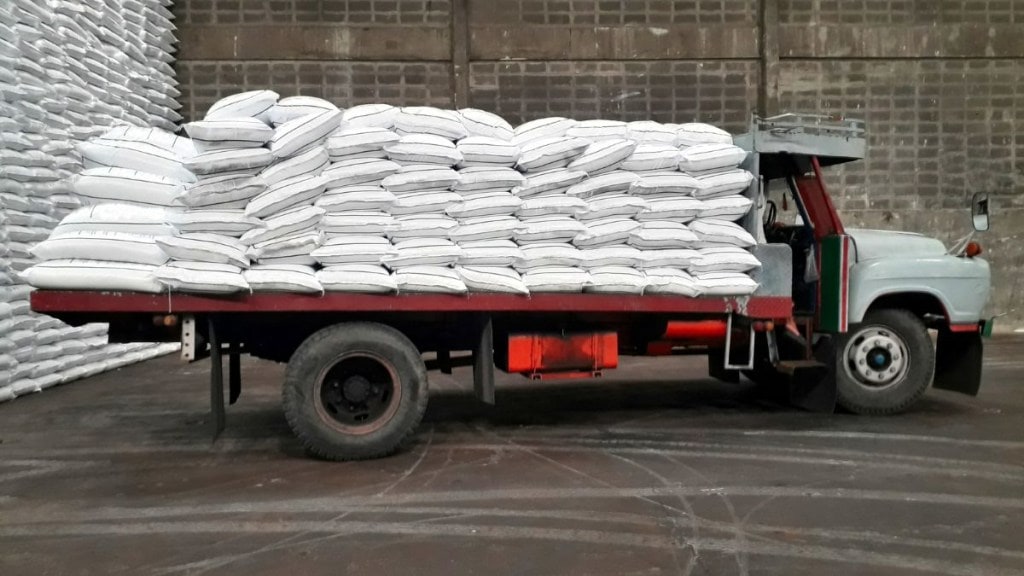
India’s fertilizer imports rose by 69 per cent YoY during the April-October period this year. According to the Fertiliser Association of India (FAI), India imported 14.45 million tonnes during April-October 2025 compared to 8.56 million tonnes during the same period a year earlier.
While there has been a spike in imports, the domestic ferlizer production grew by just 0.74 per cent on a yearly basis to 29.97 million tonnes in April-October from 29.75 million tonnes a year ago during the corresponding period.
“There has been an increase in imports of fertilizers because of a sudden spurt in domestic demand because of good rains,” said FAI Chairman S Shankarsubramanian to PTI
India fertilizer stock
Fertilizer stocks stood at 10.2 million tonnes by the end of November, compared to 9.97 million tonnes a year earlier, including 5 million tonnes of urea, 1.7 million tonnes of DAP and 3.5 million tonnes of NPK fertilizers, the Chairman told PTI.
As per the report, Shankarsubramanian, who is also managing director of Coromandel International, said India has contracted large volumes in the last two months and there are no supply constraints. While there were isolated shortages during the kharif season, overall supplies remained adequate..
India fertilizer market
Over 150 companies meet nearly three-quarters of India’s nutrient needs, with imports covering the rest, the association said. Recently also India forged strategic partnerships with resource-rich nations, including Saudi Arabia, Jordan, Morocco, Qatar and Russia to strengthen supply security.
India, serving more than 140 million farming households, consumes close to 70 million tonnes of fertilizer annually, second only to China. The government provided more than Rs 1.9 lakh crore in subsidies through urea and nutrient-based frameworks in 2024-25.
“India’s fertiliser ecosystem is entering a decisive decade where innovation, sustainability and digital intelligence will redefine nutrient use. Our focus will be on accelerating integrated nutrient management, expanding climate-resilient and next-generation products, and strengthening soil health.”, said Suresh Kumar Chaudhari, Director General, FAI