



The domestic GLP-1 market for obesity and diabetes drugs is projected to grow nearly four-fold to Rs 15,700 crore by FY32 from an estimated Rs 4,000 crore in FY27, with generic medicines expected to account for the lion’s share of the future growth, Kotak Institutional Equities said in a report. At a compounded annual growth rate (CAGR) of 65.5%, the generic segment is projected to grow from Rs 800 crore in FY27 to Rs 9,900 crore by FY32. In comparison, the branded segment is projected to grow from Rs 3,200 crore to Rs 5,800 crore, or about 1.8 times, implying a CAGR of around 12.6%, as per Kotak.
The report said that the GLP-1 market is likely to be concentrated among a relatively small number of companies despite the large number of generic launches over the past five months. The brokerage’s Right-To-Win (RTW) framework has identified seven drugmakers – Sun Pharma, Lupin, Torrent Pharma, Eris Lifesciences, Alkem Labs, Zydus and Mankind Pharma – that are best placed to benefit from the future growth. Kotak’s assessment looks at how well companies stack up on pricing, their cardio-diabetes franchise, manufacturing strength, product formats, devices and sales strategy.
Currently, GLP-1 is a crowded space. Following semaglutide’s patent expiry in March, 33 branded generic products are being marketed by 16 companies. Despite this broad participation, the brokerage expects the leading players to account for about 83% of the generic market by FY29, indicating that a relatively small group is likely to capture most of the market.
However, Kotak does not expect one company to dominate the opportunity. “Despite the large market size, we do not expect any single generics formulation company to benefit disproportionately from the India GLP-1 opportunity,” it said.
According to the report, the number of patients using GLP-1 therapies in the domestic market will rise sharply – from about 2.75 lakh currently to 66 lakh by FY32. Out of the current patient base, around 1 lakh are estimated to be on Mounjaro and 1.75 lakh on semaglutide. The brokerage expects GLP-1 adoption to rise driven by the large untreated base of diabetes and obesity patients and greater affordability following the entry of generic drugs. “We have assumed around 5% of diabetes patients shift to GLP-1 by FY32 and about 9% adoption among obese non-diabetics,” the report said.
Price erosion is expected to be a major feature of the GLP-1 market as competition increases. For generic oral GLP-1 drugs, Kotak expects annual treatment cost per patient to fall from Rs 66,000 per patient in FY27 to Rs 15,840 by FY30 while the annual cost of generic injectable treatment is likely to decline from Rs 42,000 to Rs 18,144 over the same period. Though drug prices are expected to stabilise after FY30 followed by modest annual increases. On the other hand, branded products are also going to become cheaper with the annual cost of oral treatment falling from Rs 1.08 lakh per patient in FY27 to Rs 22,162 by FY32.
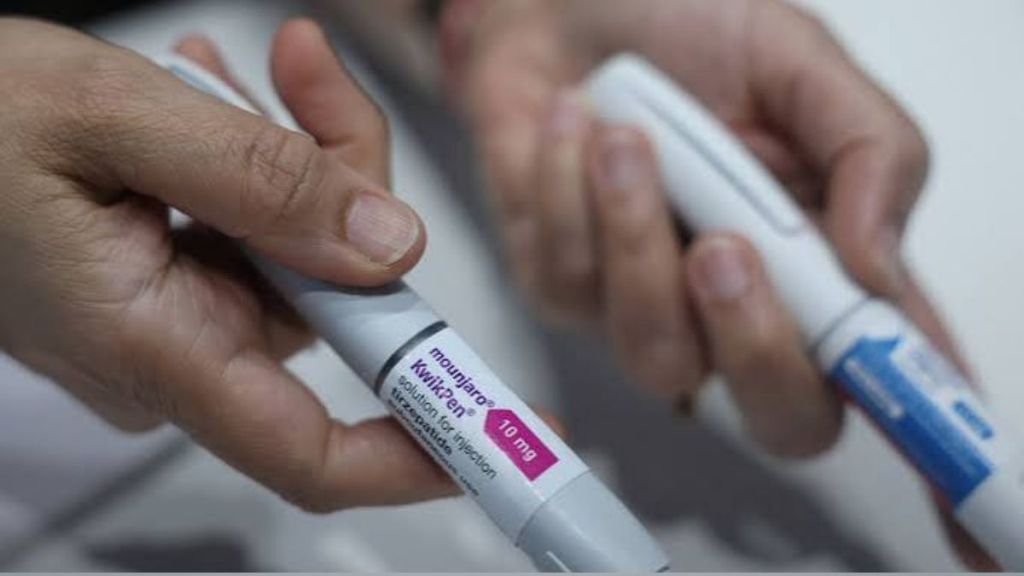
Eli Lilly’s Mounjaro, which is currently the largest GLP-1 brand by value, is expected to remain a significant player in the GLP-1 market with Kotak building in Rs 2,710 crore of sales for the drug by FY29. But the brokerage sees scope for price cuts if sales growth stalls, given that Mounjaro is currently about five times more expensive than semaglutide generics.