


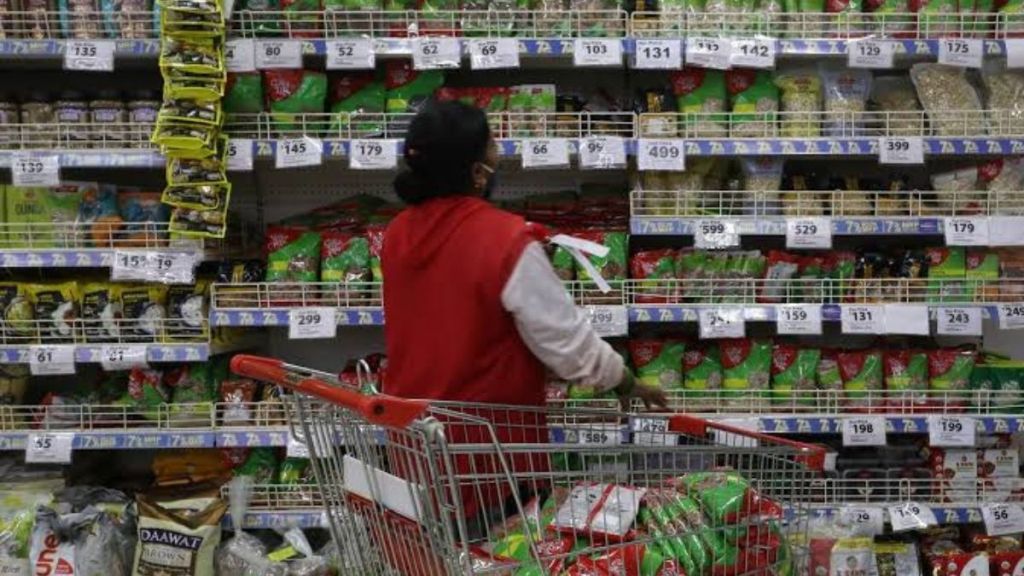

FMCG companies are increasingly turning to smaller packs and grammage cuts to pass on higher input costs without raising prices of mass-market products, as they head into the festive season. While products in the Rs 5-25 range are likely to see sharper reductions in pack sizes, companies have greater room to take direct price increases on higher-priced products.
The strategy reflects the limited pricing flexibility in the entry-level segment, where even a small increase in MRP can affect demand. Dhairyashil Patil, national president, All India Consumer Products Distributors Federation (AICPDF), said companies are likely to adopt a two-fold approach as input costs remain elevated.
“The product offerings between Rs 5 to Rs 25 is MRP sensitive, so companies will go for shrinkage here. And for the products priced above that, they can go for increasing the prices,” Patil said.
The grammage cuts are not uniform across pack sizes. Smaller packs are seeing relatively limited reductions of around 2-5%, while larger packs, particularly those of 1 kg and above, are seeing more significant cuts, Patil said.
“Shrinking of packages is happening, and that too more in bulk packages,” he said.
The move comes at a time when consumers are themselves shifting towards smaller purchases as they become more conscious of their budgets. Distributors said the earlier preference for larger packs and offers such as buy more, get more is giving way to purchases based more closely on immediate requirements.
For FMCG companies, this makes pack-size changes a relatively less disruptive way of protecting margins, particularly ahead of the festive season when they are keen to avoid a sharp increase in shelf prices. Food and grocery sales grew 12% year-on-year in July, compared with 8% growth in overall retail sales, according to Retailers Association of India (RAI) data.
However, input-cost pressures are making it increasingly difficult for companies to absorb inflation.
Kumar Rajagopalan, executive director and CEO, Retailers Association of India, said companies had earlier absorbed a larger share of cost increases to protect volumes as consumer sentiment recovered, but that approach may become increasingly difficult to sustain.
“Some companies have already adjusted shelf prices, while others are holding to avoid disturbing the festive momentum,” Rajagopalan said. Companies are likely to use a combination of price increases, smaller packs and changes in pack-price architecture to manage costs, he added.