


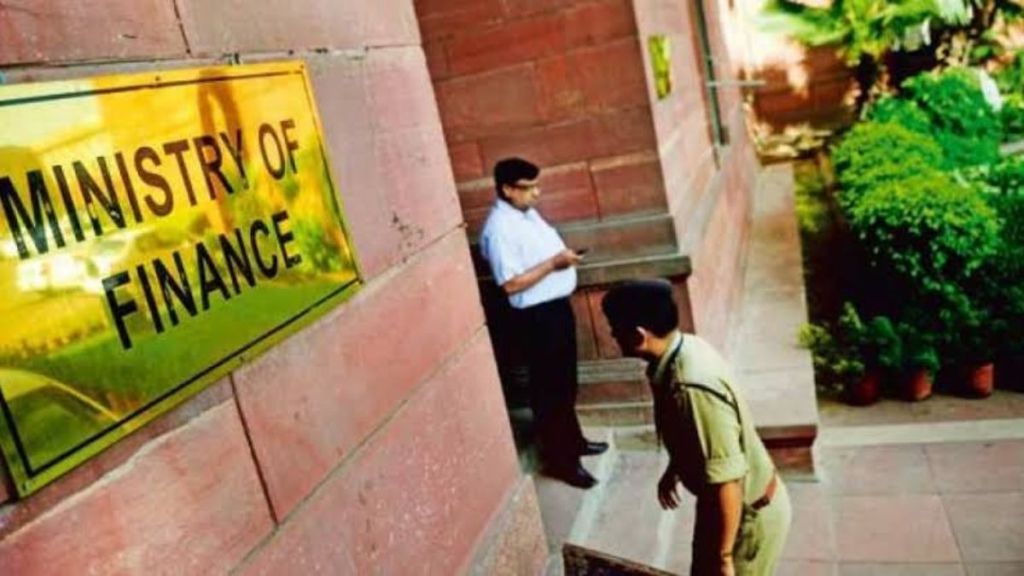

The Finance Ministry on Monday asked the chiefs of public sector banks (PSBs) and regional rural banks (RRBs) to take appropriate measures to ensure uninterrupted banking operations and essential customer services, including sufficient cash in ATMs, during the bank strike called by employee unions from September 28 to 30, sources said.
The United Forum of Bank Unions (UFBU) and other unions have called the three-day strike in support of various demands, including a five-day work week and uniform pension in the banking sector.
In view of the bank strike called by the unions, Financial Services Secretary Sanjay Lohiya held a meeting on Monday to take stock of the situation with the heads of PSBs, RRBs, the Indian Banks’ Association (IBA) and NABARD. Banks have been advised to fill ATMs and try to keep as many branches functioning as possible to reduce inconvenience to the public, sources said.
The proposed three-day strike, from September 28 to 30, 2026, also coincides with the half-yearly closing of banks on September 30, a date of particular significance for reconciliation, provisioning, and treasury and market operations. “A disruption of this nature, combined with the preceding weekend, would result in an effective five-day closure of banking services at a particularly sensitive point in the financial calendar — causing considerable inconvenience to customers, businesses, Government transactions, and international banking operations,” the ministry said in a statement.
“Given that most concerns of the unions have been substantially addressed, that the remaining demand continues to be examined, and that the Government continues to introduce welfare measures for the banking workforce proactively, bank employees are urged to refrain from resorting to strikes, work towards resolving issues through dialogue, and ensure that banking services remain uninterrupted,” it said.
While widespread digital banking through UPI and internet banking is a saving grace, the strike is expected to affect cheque clearing, national settlements and the closure of accounts for the first half of the financial year.
In an advisory, the State Bank of India urged customers to complete important banking transactions ahead of the strike dates, use ATMs for their cash needs, use Customer Service Points (CSPs), and prefer internet banking, mobile banking, UPI and other digital channels.
Customers in the private banking sector, however, are expected to remain largely unaffected.
Currently, both public sector and private sector banks work on the first and third Saturdays of the month. After approval of the proposed changes, the government will notify all Saturdays as holidays under Section 25 of the Negotiable Instruments Act.
After prolonged negotiations between the IBA and employee unions, the IBA approved their proposal in November 2024 to make all Saturdays a holiday for bank staff. The IBA subsequently sent the proposal to the Finance Ministry for consideration. It has been pending since then.
While some bank managements have raised concerns about the impact on their businesses and productivity, the trade and industry sectors have also expressed concerns that their business activity and credit flows could be affected.
There are about 0.65 million employees in the public sector banking space. Separately, there are about 95,000 employees in regional rural banks.