


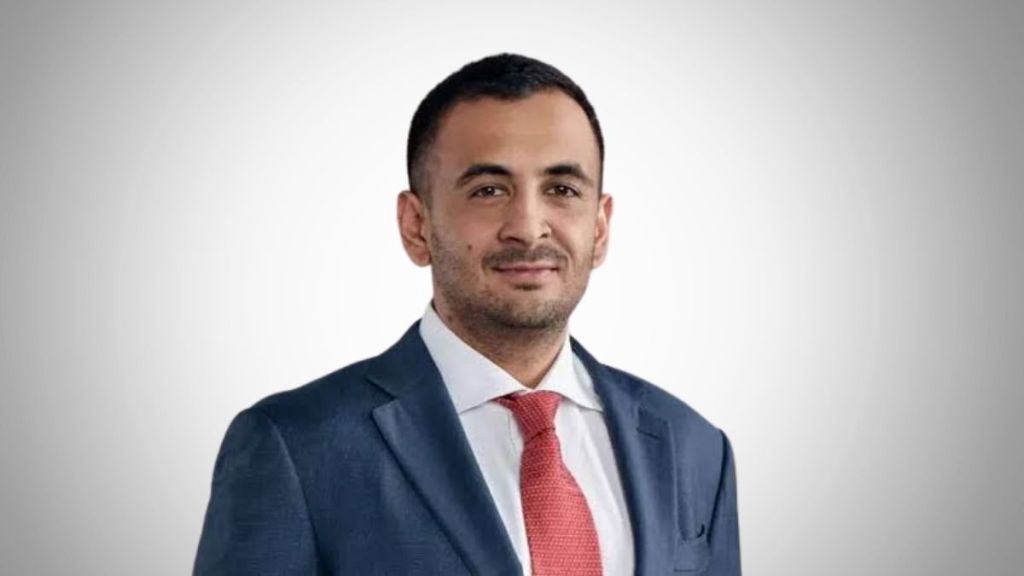

Enterprise and GCC demand is reshaping the flex workspace market, while managed offices are gaining traction as companies look for greater customisation without taking on the complexity of building and running their own workplaces. WeWork India CEO and MD Karan Virwani tells S Shanthi about the shift in demand, occupancy levels, expansion by existing customers and the company’s growth plans. Excerpts:
Q. How has the flex workspace market changed over the last 2-3 years, and where does WeWork India stand today?
The market has moved from being an overflow option to becoming a core part of corporate real estate strategy. Large enterprises and global capability centres (GCC) are increasingly using flexible workspaces as part of their long-term plans. WeWork India operates 79 centres across eight cities, covering 9.1 million sq ft, with a committed footprint of 12 million sq ft. Portfolio occupancy stood at 84.9% in June 2026, while enterprises contributed 77% of core revenue and GCCs nearly 40%.
Q. How different is enterprise demand from the earlier startup- and SME-led market?
Earlier, demand was largely for smaller, shorter-term requirements, with convenience and flexibility being the primary considerations. Enterprises are now asking how the workplace can support their growth and operations across markets. Technology contributes 27.6% of our enterprise core revenue, followed by BFSI at 17%, professional services at 11.6% and media at 7.9%. Enterprises are also looking beyond workspace towards a broader set of services. Our value-added services revenue rose 36% to Rs 273 crore in FY26.
Q. How important are GCCs to WeWork India’s growth?
GCCs now contribute nearly 40% of our overall revenue. Their role is also changing as they move beyond support functions into product engineering, AI, cybersecurity, R&D, data science and enterprise transformation. We closed 81 GCC deals in FY26. Bengaluru and Hyderabad accounted for 48% and 23%, respectively, of our GCC revenue.
Q. Is the market moving from conventional co-working towards managed offices?
That shift is already underway. Managed offices give enterprises dedicated space, their own branding and culture, while reducing the complexity of designing, building and operating an office. Our operational managed-office capacity increased from around 16,000 desks in June 2025 to about 29,200 desks in June 2026. We signed 10 managed-office deals in FY26, including a roughly 250,000 sq ft requirement from T-Mobile in Hyderabad. Our managed-office portfolio now spans more than 27 buildings and over 2.1 million sq ft.
Q. New centres are at around 65% occupancy versus nearly 88% for mature centres. Where can portfolio occupancy settle?
The gap reflects the normal ramp-up cycle of new centres. Mature centres were at 87.5% occupancy in June 2026, compared with 84.9% for the overall portfolio. Demand remains healthy. Sales velocity increased 28.3% YoY in Q1 FY27, while more than 50% of new desk sales in FY26 came from existing members expanding within our network. We added around 7,000 desks in Q1 FY27, taking operational desk capacity growth to 17.1% YoY, while occupied members grew 29.9%.
Q. Where will the next leg of growth come from?
We see significant headroom in the eight cities where we operate, particularly from enterprises and GCCs. For FY27, we have already locked in 36% growth in capacity, with new centres planned across Bengaluru, Gurugram, Hyderabad and other demand hubs. Managed Offices and Rivet, our design-and-build platform, allow us to address a wider range of requirements, from fully serviced flexible offices to bespoke headquarters.