


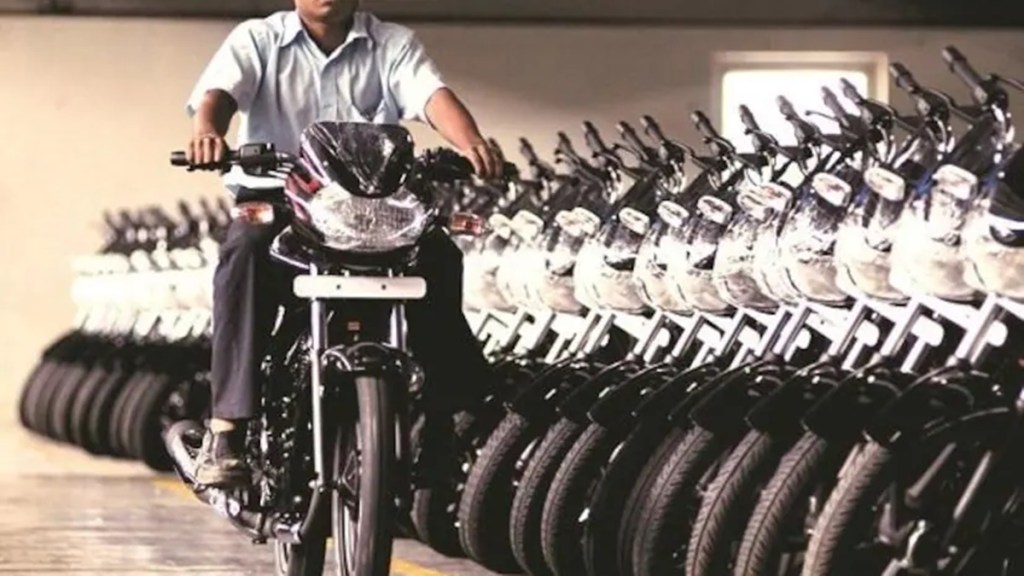

Domestic sales of passenger vehicles (PVs), two-wheelers and three-wheelers reached their highest-ever levels for August in 2026, but the sharp year-on-year growth was partly amplified by a low base last year, when consumers postponed vehicle purchases following the announcement of GST cuts ahead of the festive season.
Passenger vehicle sales rose 36.5% year-on-year to 439,309 units in August 2026 from 321,901 units a year earlier, according to data released by the Society of Indian Automobile Manufacturers (SIAM). The August 2025 base was unusually low as the government’s announcement of GST cuts led some consumers to defer purchases, with the new rates under GST 2.0 coming into effect from September 22 last year. Demand subsequently picked up as consumers began to benefit from the lower tax rates.
This makes the headline growth in August 2026 particularly strong, but also means the industry is likely to face a tougher comparison from September onwards. Industry executives expect growth to moderate as the base strengthens, even as festive demand provides near-term support.
“PVs, 3Ws and 2Ws have recorded the highest ever sales of August in 2026,” said Rajesh Menon, director general, SIAM.
The underlying demand environment, however, remains healthy, with rural demand, consumer confidence and financing conditions supporting vehicle purchases. The festive season is also expected to provide an additional boost to industry volumes in the second quarter.
Within the PV segment, utility vehicles continued to lead growth. Domestic UV dispatches, excluding Tata Motors and certain luxury manufacturers for which monthly data is unavailable with SIAM, rose 39.2% year-on-year to 250,084 units from 1,79,613 units. Passenger car dispatches increased 23.8% to 112,011 units from 90,502 units, while van sales rose 10.9% to 11,961 units from 10,785.
PV production increased 25.7% to 454,266 units in August from 361,489 units a year earlier, suggesting manufacturers stepped up output to meet strong domestic demand and prepare for the festive period.
The domestic strength was not reflected in PV exports. Overseas shipments declined 17% year-on-year to 68,230 units from 82,246 units in August 2025. Passenger car exports fell 51.5% to 21,181 units, while UV exports rose 23.7% to 46,400 units.
Two-wheelers also recorded their highest-ever August sales, rising 10.5% to 2.03 million units from 1.84 million units a year earlier. Scooters were the biggest contributor to incremental volumes, with sales rising 23.8% to 855,715 units. Motorcycle sales grew a more modest 2.4% to 1.13 million units, while moped sales increased 4.7% to 45,936 units.
Three-wheeler sales rose 22.8% to 93,764 units from 76,324 units, also marking a record August. Passenger carriers increased 22.4% to 78,680 units, while goods carriers rose 34.9% to 13,320 units.
The recovery was also visible in exports. Two-wheeler exports increased 28.5% to 555,292 units, while three-wheeler exports rose 31.3% to 56,166 units.
Menon said the industry was “passing through a robust growth phase”, with consumer confidence, rural markets and financing conditions supporting demand.
However, the sustainability of the growth will become clearer over the next few months as the favourable base effect fades. With GST 2.0 having already boosted demand from late September last year, September 2026 and subsequent months will be measured against significantly higher volumes.
For automakers, the festive season could therefore provide another strong quarter, but the pace of year-on-year growth is likely to look more moderate than the August numbers once the industry moves past the low-base period.