


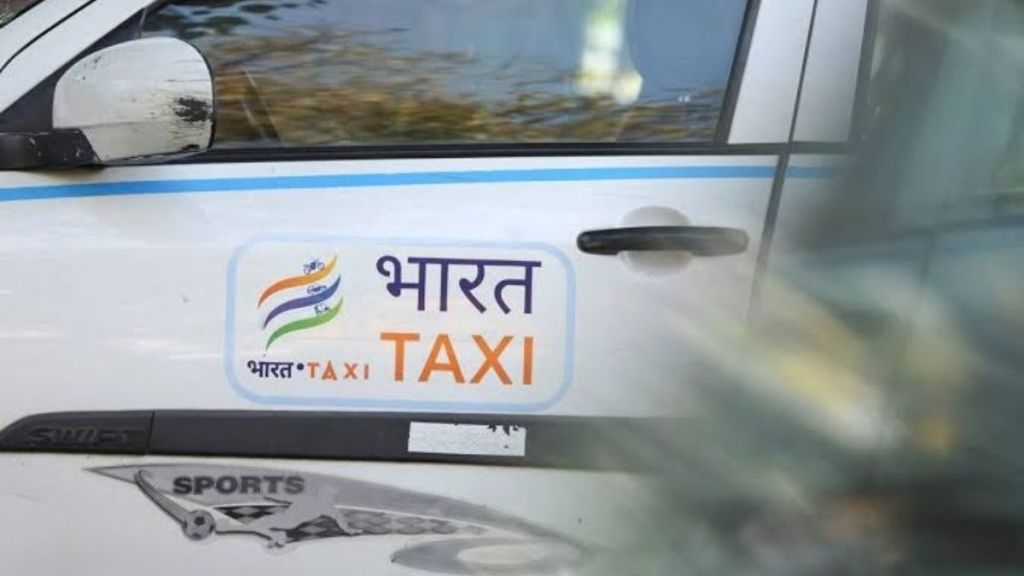

Gujarat, which gave the country the cooperative model through Amul, is now witnessing a battle over urban mobility. Taxi and autorickshaw drivers in Ahmedabad are boycotting cab aggregators Ola, Uber and Rapido, alleging that the platforms exploit them, and are asking passengers to use Bharat Taxi instead—a new ride-hailing service built on the cooperative model.
According to Vijay Makwana, president of Ahmedabad Rickshaw Ekta Union, the boycott will continue. The boycott, which began on September 21, is being led by driver unions protesting what they describe as low fares and high charges by cab aggregators.
The boycott by taxi and auto drivers has left no option for the passengers but to book the rides through Bharat Taxi. There have been instances where the drivers have taken bookings through Ola or Uber but charged fares of Bharat Taxi, which have increased recently; sources in the know of the developments told FE.
The development comes at a time when Bharat Taxi is seeking to establish itself in a market dominated by established aggregators. While its trial run in Gujarat began nearly a year ago, Union Cooperation Minister Amit Shah formally launched the platform in June this year. In terms of app downloads, rides and visibility, Bharat Taxi remains significantly smaller than its established rivals.
On September 21, one passenger got a message from a driver asking him to book through the Bharat Taxi app. He mentioned that the passenger will not get any cab through other aggregators due to boycott by the Taxi Union.
Earlier this month, taxi and auto drivers in Ahmedabad had gone on a four-day strike in protest against what they called exploitation by the aggregators.
While the latest move has resulted in a situation where passengers feel they have gone back in times when there were no apps and options, those boycotting are firm about their stand.
Azar Kazi, a pre-paid taxi driver at the Sardar Vallabhbhai International Airport, said that only pre-paid taxis or Bharat Taxis are plying at the airport.
According to conservative estimates gathered from the unions, there are one lakh autorickshaws and about 30,000 to 40,000 taxis registered with the cab aggregators.
“The fares these cab aggregators offer to the customers are not affordable to the drivers. We cannot sustain at these rates,” Narendra Patel, working president of the Ahmedabad Taxi Driver Union, said. “These cab aggregator companies have earned a lot and give customers a cheap ride,” he said. According to him, the charges taken from the driver by Bharat Taxi are minimal, and the customers also get an insurance cover for the drive.
What has troubled the passengers is that the fares of Bharat Taxi are the highest. A passenger requesting anonymity said that a couple of days ago, she paid Rs. 850 plus for a ride from Ahmedabad to Gandhinagar to Bharat Taxi. However, on return, Rapido charged only Rs 425 plus something.
The fares of Bharat Taxi were lower. However, these have increased recently. Patel said that the decision to increase the fares was taken at a meeting in Ahmedabad on September 10 in which representatives of Bharat Taxi were also present. However, there is no official confirmation.
For passengers, however, the shift has meant fewer choices and, in most cases, higher fares. For Bharat Taxi, this could prove an important test of whether its cooperative model can translate strong driver support into sustained passenger adoption in a market where price and convenience remain key factors.