



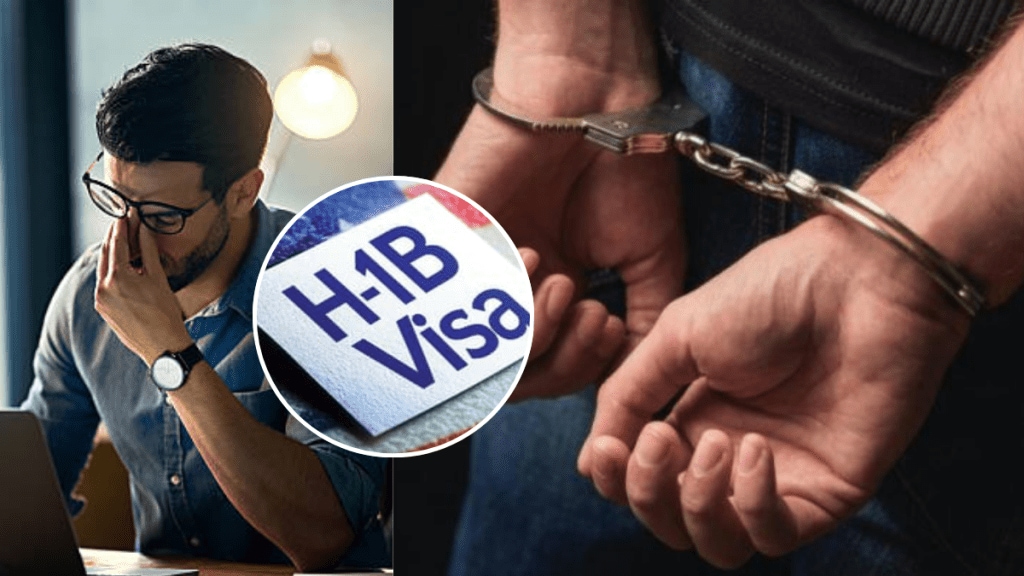
More H-1B and H-4 visa holders in the United States are facing precautionary visa revocations linked to past police interactions, even when there were no convictions or when the issues were already disclosed earlier, immigration lawyer says.
Houston-based immigration attorney Emily Neumann wrote on X, “We are seeing more prudential visa revocations for H-1B and H-4 holders who had a past interaction with law enforcement, even with no conviction.”
How many times do we need to revisit the same records that neither create removability nor trigger inadmissibility. The law hasn’t changed, the facts haven’t changed, yet applicants are being put through the same loop again and again. This isn’t vigilance, it’s redundancy. https://t.co/V6DMYKOJU5
— Emily Neumann (@immigrationgirl) December 8, 2025
She further added, “Many of these incidents were already disclosed and cleared in earlier visa stamps. A revocation does not affect lawful stay in the United States, but it means the issue will be reexamined at the next visa appointment. Hard to see how this is an efficient use of government resources when the incident was already previously vetted.”
Old cases returning might haunt visa holders
In these recent cases, the US Department of State has been cancelling visas as a precaution, targeting even minor incidents that were cleared years ago. This forces workers and dependents to undergo fresh scrutiny the next time they travel abroad and return to the US.
H-1B employers are already facing higher expenses after a $100,000 fee was introduced for every H-1B petition, and many report tighter checks in processing and extensions. Indian tech workers make up the largest share of H-1B holders. For thousands of skilled professionals who rely on visa stability, this could add one more layer of uncertainty to an already stressful immigration process.
What exactly is a prudential visa revocation?
A prudential revocation is a temporary cancellation of a visa by the US State Department. It is issued based on suspicion of ineligibility rather than confirmed violation. This is legal under the Immigration and Nationality Act, which allows visa revocation if the government believes a person might no longer be entitled to that visa.
There is no finding of guilt or wrongdoing required for a prudential revocation. The State Department can revoke a visa, When an issue of eligibility is suspected but not proven, or when “other situations warrant” the action
Officials say it is a precautionary step to protect US borders. This applies even if a case is old, dismissed or resolved years earlier.
Some common triggers include, arrests or police reports such as DUI/DWI, security-related concerns flagged by law enforcement, any derogatory information raising questions about admissibility
The revocation does not cancel lawful stay inside the US. However, once the visa holder travels abroad, the embassy will closely re-scrutinise the case, delaying their return to work or family.