


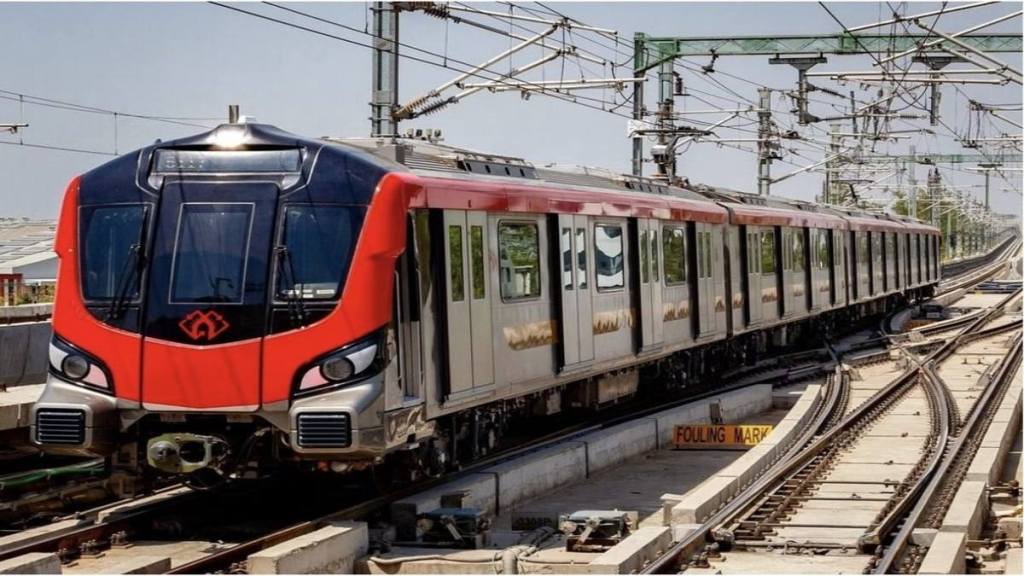

Lucknow is set to get wider public transport access across some of its busiest and most densely populated areas.
The expansion is expected to make daily movement easier in parts of the city that see heavy footfall because of markets, healthcare facilities, railway stations, heritage sites and other important destinations.
The project will also give residents and visitors another option for travelling across the city, particularly on routes that often experience heavy road traffic.
Lucknow Metro Phase 1B: Route and stations
Lucknow Metro Phase 1B will cover 11.165 km and include 12 metro stations — seven underground and five elevated. The Union Cabinet approved the project in August 2025 with an outlay of Rs 5,801 crore.
Once Phase 1B becomes operational, Lucknow’s active metro network is expected to reach around 34 km.
The expansion will extend metro access into important parts of Old Lucknow, including Aminabad, Yahiyaganj, Pandeyganj and Chowk.
Rs 1,383 cr contract for 6.7-km underground section
The latest development under Phase 1B is a major construction contract for its underground section. Afcons Infrastructure recently emerged as the lowest bidder for a Rs 1,383.30 crore contract for the design and construction of an approximately 6.70-km underground section from Charbagh Metro Station to Chowk Metro Station.
The contract is dated October 5, 2026, and has a completion period of 1,095 days.
The work includes construction of seven underground metro stations, along with associated civil works. The section will pass through densely developed areas and form a key part of the underground component of Phase 1B.
Key areas set to get metro access
The upcoming corridor will bring metro services closer to major commercial centres such as Aminabad, Yahiyaganj, Pandeyganj and Chowk. These areas attract shoppers, workers and residents throughout the day, making them important destinations on the new network.
Another major location on the corridor is King George’s Medical University and Medical College. The metro could make it easier for patients, attendants, students and staff to reach the healthcare complex from different parts of the city.
Metro expansion could ease traffic on busy routes
The new corridor is expected to take some travel demand off roads in the congested parts of Old Lucknow.
With an additional rapid-transit option available, some daily trips could shift from private vehicles and other road-based modes to the metro. This could help reduce pressure on busy stretches, improve traffic movement and cut journey times on some routes. A reduction in road traffic could also contribute to safer and smoother movement for other road users.
Better access to railway stations and bus depots
The expanded network is expected to strengthen links with railway stations, bus depots and other important transport points across the city.
For commuters, this could make interchange between the metro and other public transport modes simpler. It would also allow people to use the metro for one part of their journey instead of relying on road transport from start to finish.
Phase 1B to support local businesses
The new stations could bring more footfall to commercial areas by making them easier to reach for customers and employees.
Markets, shops and other businesses located around the corridor may benefit from this increased movement. The expansion could also encourage commercial activity around station areas and open up parts of the city that have had fewer rapid-transit options.