


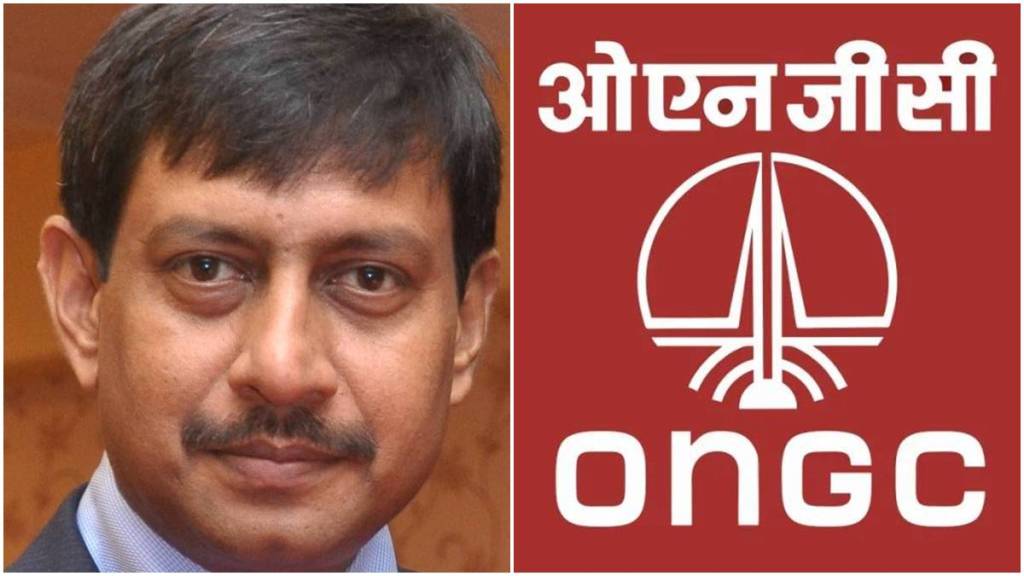

The government has appointed Sunil Kumar, executive director at Oil and Natural Gas Corporation (ONGC), as its chairman. Kumar will succeed Arun Kumar Singh, whose extended tenure ends on December 6. It is the first time in the firm’s history that an executive below board level has been elevated directly to the top post.
The Appointments Committee of the Cabinet (ACC), headed by Prime Minister Narendra Modi, approved Kumar’s appointment following an extensive selection process involving at least 19 candidates. According to the October 21 order, Kumar, 58, currently executive director and asset manager of ONGC’s Mehsana asset in Gujarat, will assume charge on or after December 7. He will serve until his superannuation on December 31, 2028, and thereafter on a contractual basis for a combined tenure of three years or until further orders, whichever is earlier.
ONGC’s leadership change amid production challenges
The appointment comes as ONGC faces the challenge of reversing declining production from ageing fields amid global energy market volatility, with geopolitical conflicts and sanctions reshaping oil trade flows, while the government seeks to reduce India’s dependence on imported hydrocarbons.
His selection breaks with ONGC’s conventional leadership appointments, which have generally involved executives serving at board level before taking charge as chairman. Similar direct elevations have previously taken place at Indian Oil Corporation and GAIL.
The selection was overseen by a three-member search-cum-selection committee chaired by Public Enterprises Selection Board Chairperson Mallika Srinivasan, with Petroleum Secretary Neeraj Mittal and former Indian Oil chairman B Ashok as members.
Among the applicants were ONGC Videsh Managing Director Rajarshi Gupta, ONGC directors Vikram Saxena, OP Sinha, Anupam Agarwal and Bhaskar Chowdary Nettem, besides Oil India Chairman Ranjit Rath. Five candidates were shortlisted after the first round of interviews before Kumar was selected, sources said.
A petroleum engineering graduate from the Indian School of Mines, Dhanbad, Kumar later studied management at Management Development Institute, Gurgaon. He joined ONGC in 1991 and has worked across production, well services and offshore operations, including the KG-DWN-98/2 Cluster II and Vasistha-S1 deepwater projects. He took charge of the Mehsana asset in January 2025.
Key developments during Singh’s tenure at ONGC
Kumar succeeds Singh, 64, who assumed charge in December 2022 after retiring as Bharat Petroleum Corporation chairman. Singh’s tenure saw healthy profits, substantial dividend payouts and initiatives to improve production from ageing fields.
A major development came in 2023 when revised domestic gas pricing rules introduced a floor price for gas from nomination fields and linked prices to crude oil. The changes also allowed ONGC to charge up to 12% of crude prices for gas from new wells, improving returns.
Singh also brought in BP as a technical service provider to boost output from the ageing Mumbai High field, restructured ONGC’s petrochemicals business and pursued plans to expand international oil trading and domestic gas marketing.
Kumar will now oversee these initiatives alongside efforts to boost exploration, improve mature-field production, and expand ONGC’s new energy businesses.