



After-sales service startup Servify is targeting gross revenue of more than Rs 2,000 crore in FY27, a 25% year-on-year (YoY) increase, after achieving Ebitda profitability for the first time in FY26. The company reported gross revenue of Rs 1,660 crore in FY26, supported by operating leverage as its business scaled across brands, markets and product categories.
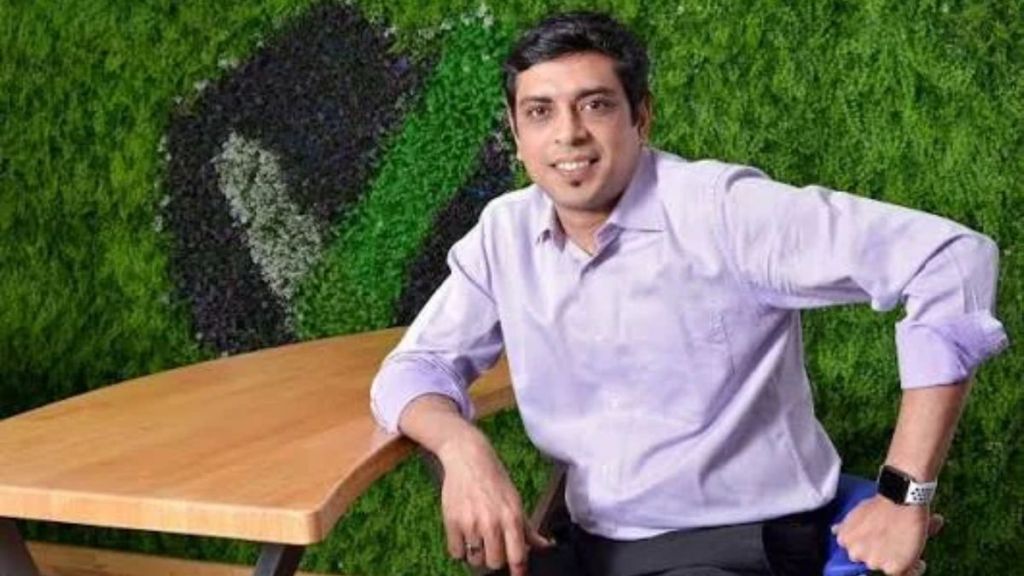
“Over the last five years, our gross revenue has grown at a compound annual rate of 50%, and in that period our operating expenses have not increased much proportionately, which is where the operating leverage in the model shows up,” Sreevathsa Prabhakar, founder and CEO of Servify, told FE. The Mumbai-based company, founded in 2015, provides brand-authorised after-sales services for smartphones, electronics, gadgets and home appliances.
The company expects growth to come primarily from expanding its existing relationships with global brands and entering new product categories, rather than acquiring new customers. When a brand partners with Servify in one country or category, the company seeks to extend the relationship to other markets and services across the product lifecycle. It works with more than 75 brands, including Apple, Samsung, Bose and HP, and said it was ahead of its budget for FY27.
Servify is also expanding into appliances, smart home products, wearables, lifestyle and luxury goods to increase its addressable market. In FY26, it integrated protection, subscriptions, service management, trade-ins and upgrades on a single platform, moving from managing individual programmes to covering the entire ownership journey. Its luxury offerings now include watches, handbags, eyewear and footwear. The company is investing in artificial intelligence to handle higher volumes and more complex operations without a corresponding increase in costs.
Servify operates across 200,000 retail touchpoints in more than 40 countries, supported by over 18,000 service partners. Its footprint includes India, the US, Canada, Europe, West Asia and Turkey. It is evaluating expansion into Latin America, Southeast Asia and Japan, with plans to enter these markets alongside existing global partners. The asset-light model allows it to use partners’ sales and service networks instead of building its own infrastructure.
The company raised about $75 million through its Series D funding round, completed at the end of 2025, taking its total funding since inception to more than $100 million. Investors include IFC, Singularity Ventures, AmTrust and Crescent Ventures, alongside existing investors.
Prabhakar said the company was adequately capitalised and did not need to raise funds for operations. Any future fundraising, he added, would be linked to specific growth opportunities, including new markets, categories or acquisitions.