


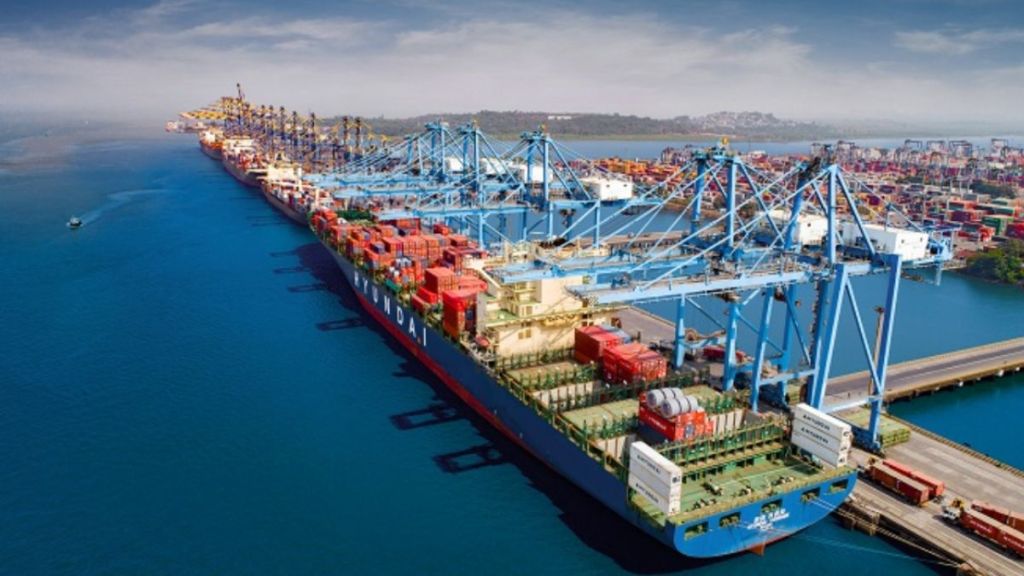

The piling up of containers and the shortage of trailer drivers at the large West Coast ports have resulted in increasing instances of exporters missing their contracted ships. Turnaround time at ports has risen, inflating costs by up to Rs 25,000-30,000 per container. This compounds exporters’ worries at a time when geopolitical developments have dented market access and intensified competition in key markets.
One reason for the container pile-up was the cargo bound for West Asia returning due to the onset of war in the region. Many containers that came back have still not been evacuated back to factories. Unloading of transhipment cargo at Indian ports added to the congestion.
Adding to the worries was a sudden shortage of trailer drivers in April-May. The reason for the shortage of drivers was that this is the time when a lot of them head back home for vacation. Adding to the seasonal vacation time shortage of drivers was elections in West Bengal and increase in Liquefied Petroleum Gas (LPG) prices in the open market, industry sources said.
As in other locations, many migrant workers who use small LPG stoves for cooking at truck stops also headed home. “Even if exporters are able to reach the ports on time, vessels get delayed as shipping schedules have gone haywire. This adds waiting charges at ports, higher payment to transporters and charges for loading and unloading containers on trailers multiple times adds to the costs of exporters,” they said.
The driver shortage is also holding up removal of import cargo from ports. According to some estimates, the backlog of containers is in the thousands and exporters have to make an extra effort at all transit points to ensure that their cargo is loaded and not end up in some forgotten pile..
To create space for new arrivals at ports, the Jawaharlal Nehru Port Authority (JNPA) has offered a waiver of 50% of the ground rent on import laden containers that have remained at port beyond 8 days and removed before June 20.
This concession is applicable for containers discharged on or after May 1 and removed before June 20. Containers landing at the JNPT after June 12 would not be eligible for the concession. The JNPT is India’s largest container port, handling roughly 50-60% of the nation’s total containerized cargo. It is the most important outlet to the Western markets for manufactured goods exports.
The relief has come from JNPT despite the fact that responsibility for evacuation of imported cargo rests with the importers themselves.
Some persons involved in foreign trade have called this measure damage control as it applies only to ground rent and relief comes after payment as reimbursement and not as upfront waiver. Because of driver shortage the JNPT also used rail in a big way to evacuate the containers from the port to help India’s Exim Trade.