



Regulation seems to be catching up fast with the nimble Big Tech market. The Parliamentary Standing Committee on Finance, which was tasked with looking into the anti-competitive behaviour of Big Tech firms, has given a slew of suggestions, including ex-ante evaluation of their activities, a separate Digital Competition Act and imposition of reporting requirements on “leading players” which are potential threat to competition.
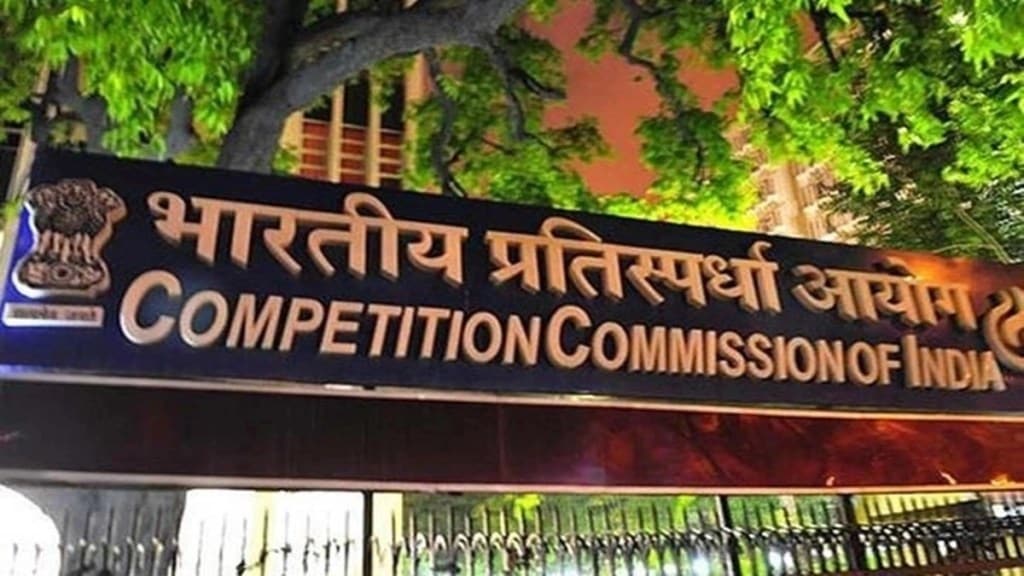
In its report tabled in Lok Sabha on Thursday, the panel proposed more teeth to the Competition Commission of India (CCI) and equipping it with a digital market unit. Calling Big Tech’s ad business a “monopolist threat”, the panel said the to-be-defined digital gatekeepers should not process, for the purpose of providing online advertising service, the personal data of end users using third-party services.
Also Read: No settlement route for cartels
The suggestions come amidst rising concerns over the functioning of Big Tech firms and what is perceived as unfair business practices by them. In October this year, the CCI had imposed a Rs 936.44 crore on Google for abusing its dominant position with respect to its Play Store policies, apart from issuing a cease-and-desist order. In the past, other activities like the acquisition of WhatsApp by Facebook had also raised concerns over the creation of a digital behemoth. The government is also working on amending the Competition Act with a Rs 2,000-crore deal value threshold, a move aimed at bringing digital M&As under the regulatory purview.
According to the panel, India must identify the leading players or market winners that can negatively influence competitive conduct in the digital ecosystem as systemically important digital intermediaries (SIDIs), based on their revenues, market capitalisation and number of active business and end users. It also called for norms for ex-ante regulation of the behaviour of SIDIs. Within certain months of being categorised a SIDI, these entities must submit an annual report to the CCI on the measures taken to comply with the obligations.
“Globally, ex-ante regulations are accepted as the norm given the nature of digital markets. The digital gatekeepers have a very important role in the segment. The recommendation of the standing committee is a very positive step that will plug a big role in the CCI’s repertoire of solutions and will enable it to make regulations for the sector,” said Mathew Chacko, partner, Spice Route Legal.
Also Read: Settlement a good option
Overall, the report identified 10 anti-competitive practices, including anti-steering provisions, pricing and deep discounting, platform neutrality, exclusive tie-ups, restricting third-party applications, and mergers and acquisitions.
The panel noted with “serious concern” the peculiar challenge where winners emerge within three to five years after a market starts to develop and by the time policies can be formulated or anti-competitive behaviours be adjudicated, markets tip in one direction. “Therefore, the committee recommends that competitive behaviour needs to be evaluated ex-ante before markets end up monopolised instead of ex-post evaluation being carried out at present,” it said.
It further noted that deep discounting by platforms with market power is a matter of concern when discounts are discriminatory and push prices to below-cost levels, which impact the ability of offline and online retailers to compete.
On M&As, the panel also said that SIDIs should inform the CCI of any possible concentration where the merging entities or target of concentration is provides services in the digital sector. This should be done irrespective of whether the transactions needs approval from the CCI.
It has also called for SIDIs to steer away from practices such as anti-steering where a platform prevents business users on its platform from “steering” its consumers to offers elsewhere that may be cheaper and more attractive.
The panel met with stakeholders, including officials from the ministries of corporate affairs and electronics and IT and CCI, and representatives from hospitality, restaurant and travel agents, digital media and newspaper associations, executives from Paytm, Ola, MakeMyTrip, Zomato, Oyo, Swiggy, Flipkart as well as representatives from Big Tech firms, including Amazon India, Apple India, Facebook India, Google India, Netflix India, Twitter India and Uber India.