


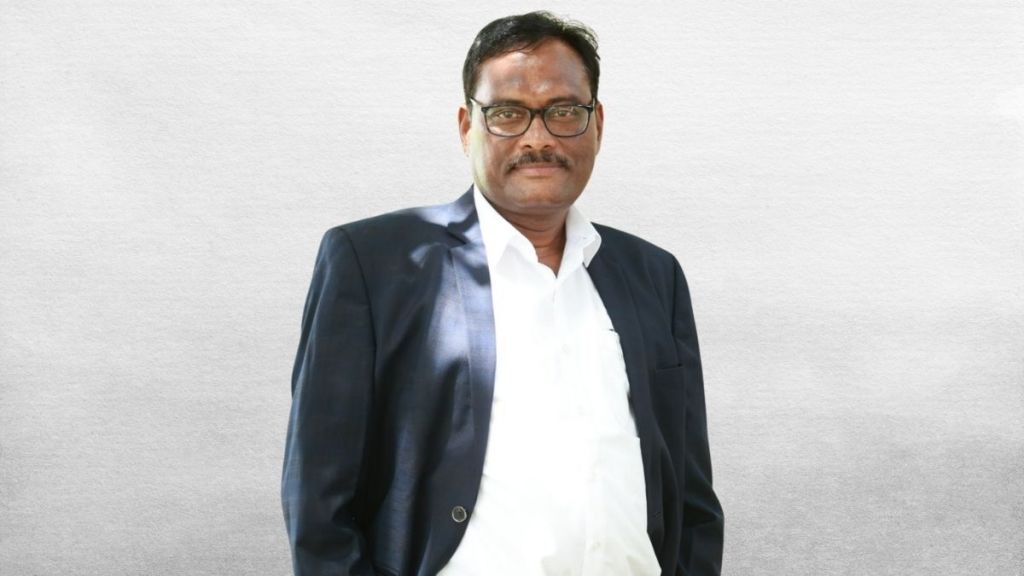

With demand for protein-rich, premium dairy products rising, Milky Mist Dairy Food is doubling down on value-added dairy. The company is investing Rs 400-500 crore over the next 24-30 months to expand capacity, enter new markets and build a pan-India presence, with an eye on Rs 5,000 crore in revenue by FY28. In an interview with Viveat Susan Pinto, K Rathnam, CEO, Milky Mist Dairy Food, outlines the company’s growth strategy, product expansion plans and the road ahead. Excerpts:
1) What is driving the opportunity in value-added dairy? And how will the Rs 40-crore investment to make yoghurts help Milky Mist?
Consumers are increasingly becoming conscious of what they consume. Many are also looking at healthier food and dairy products. As tastes evolve and disposable incomes grow, this is driving up interest in value-added dairy. For a player like us, which operates in the value-added dairy space, the potential is significant. The latest investment is a step in that direction. We first installed our yogurt facility in 2022 with a capacity of around 20 tonnes per day. While this has grown to about 30-35 tonnes per day, demand remains higher than supply. We are seeing demand grow at 50% per annum, which necessitated an urgent increase in capacity. With the latest commissioning, we hope to plug the gap.
2) What is Skyr Yoghurt and are Indians ready for these unique variants? What is your pricing strategy?
Skyr and Greek yogurt are both thick, strained, high-protein dairy products. Skyr is technically a fresh cheese made from skimmed milk, while Greek yogurt is a strained yogurt that can use various milk fat levels. Skyr originated in Iceland. Greek yoghurt is Mediterranean. Skyr is also thicker, denser, and cheese-like. Greek yogurt is creamy, smooth, and rich. As far as the market for these products are concerned in India, it is a growing at 15-18% per annum. Our growth rates are 2x this number. As far as our pricing strategy is concerned, we are higher-priced by about 5-8% to our nearest competitors. Having said that, we ensure product quality remains intact. We provide visi-coolers to our retailers, invest in the cold-chain and logistics. In short, there is a reason for our premium pricing strategy.
3) Will you look at diversifying your product basket beyond dairy over time?
We have no plans to deviate from our core dairy business. Our focus will be to strengthen our existing portfolio and expand into adjacencies within value-added dairy. As premiumisation, protein, health and nutrition awareness drive up opportunities within value-added dairy, there is potential for growth within this space. In terms of expanding our product portfolio, protein-based beverages are an area we are looking at closely as a potential category of entry.
4) For a South-based dairy company, what is the strategy on geographical expansion?
70% of Milky Mist’s revenues come from the south of the country; while 30% comes from non-south region. The non-south regions include Maharashtra, Gujarat; some parts of the north like Punjab and NCR and the North-East. We are looking to expand to states such as Uttar Pradesh, Bihar and other parts of the north. The broader plan would be to make Milky Mist a pan-Indian brand in the next few years.
5) What are your plans on capital expenditure. And when do you hope to touch Rs 5,000 crore in overall revenue?
We have been growing at a 30% compounded annual growth rate (CAGR) for the last 5 years in terms of topline. Net profit growth rates have been higher. We closed FY26 with an annual revenue of Rs 3,138 crore, growing at 34% year-on-year and a net profit of Rs 127 crore, a growth of 176% versus last year. At this rate of growth, we should touch Rs 5,000 crore in revenue by FY28.
As far as capital expenditure (capex) goes, we had indicated an investment of Rs 400-500 crore for capacity enhancement over a period of 24 to 30 months during our IPO. We will stick to that timeline. We currently have a plant in Tamil Nadu (Perundurai), which takes care of much of our existing needs. However, as our footprint grows and operations expand, we will require manufacturing units closer to newer markets. We are working in that direction. We have taken land in Maharashtra from MIDC to set up a plant in the state to cater to the western region. We are also exploring various options in the north.