


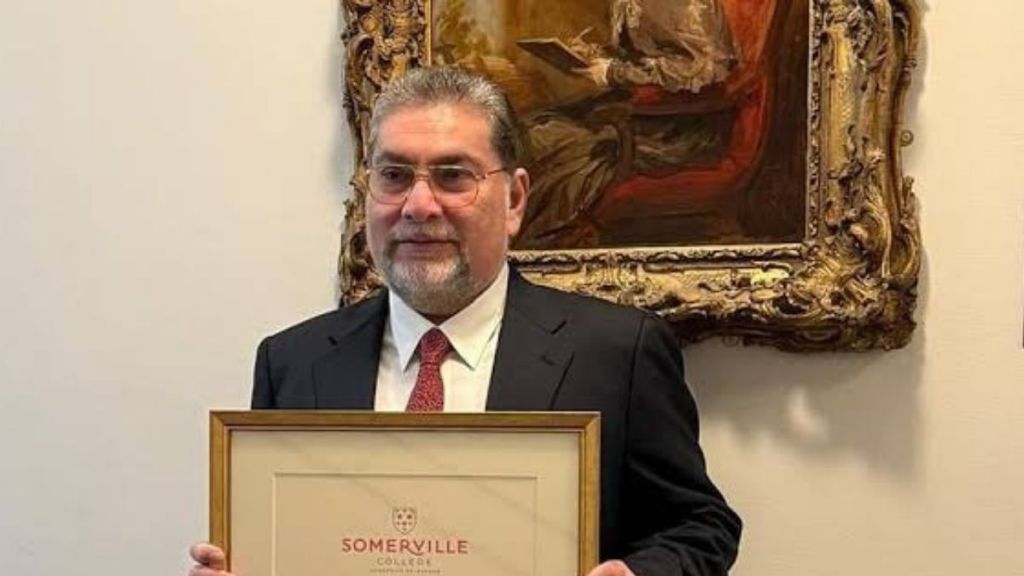

Sir Dorabji Tata Trust (SDTT) and Bai Hirabai Jamsetji Tata Navsari Charitable Institution have questioned Mehli Mistry’s locus standi to object to change reports concerning the cessation of his trusteeship, arguing that he no longer has a legal interest in either trust.
In replies filed with the Maharashtra charity commissioner’s office, the two trusts said Mistry’s three-year tenure ended on October 28, 2025, and his proposed reappointment was not approved. They also cited his November 4, 2025, letter disclaiming interest in reinstatement, arguing that he could not use his former trusteeship to challenge their administration and governance.
The trusts have urged the authority to decide preliminary objections on maintainability and jurisdiction before examining the merits of Mistry’s objections or ordering any inquiry.
SDTT has argued that Mistry’s application seeking an inquiry into SDTT, Sir Ratan Tata Trust (SRTT) and Bai Hirabai is not maintainable as a single proceeding because the three are separate public charitable trusts with distinct governing instruments, boards, properties and accounts. It has also contended that the application does not specify the statutory provisions under which action is sought against it and duplicates objections already pending before the charity commissioner.
Bai Hirabai, meanwhile, has disputed Mistry’s interpretation of Clauses 6 and 18 of its Trust Deed, which concern eligibility for trusteeship based on religion and residence. It has argued that these restrictions conflict with the original Will and Codicil governing the trust and should not be given effect.
Both trusts have denied the allegations and sought rejection of Mistry’s objections, while requesting that no orders be passed without giving them an opportunity to be heard.
People close to Mistry said that he is of the opinion that it is his duty to flag the issues he has raised since charitable trust trustees have unlimited personal liability, and not raising them could have an impact on him. Mistry did not respond to requests for comment. Mistry has till November 5 to file his rejoinder to the trusts’ response.
Meanwhile, Mistry, through his representative, filed a submission seeking an affidavit from Tata Trusts Chairman Noel Tata, who has been proposed as a substitute trustee in proceedings related to the Mistry’s complaint against Bai Hirabai Jamestji Tata Navsari Charitable Institution, declaring that he meets the eligibility criteria prescribed under the trust deed.
It is submitted that the deputy charity commissioner “shall ensure that the reporting trustee proposed to be substituted by way of the present application shall be a qualified trustee as contemplated in Clauses 6 and 18 of the Trust Deed dated 07.12.1923, which inter alia states that trustee shall be a Parsi professing Zoroastrian religion,” Mistry said in the submission dated October 15.
The submission came in response to Bai Hirabai Trust filing a substitution application to name Noel Tata the reporting trustee since the earlier reporting trustee — Vijay Singh — has since retired from his post.
In his objection, Mistry had claimed that the Bai Hirabai board has trustees who are ineligible for appointment since they do not fulfil the criteria set forth in the trust deed — permanent residency in Mumbai or Navsari and being of Zoroastrian Parsi faith, a point that the trust has objected to in its response.
In a separate hearing for SRTT in front of the assistant charity commissioner, the trust said that it is unable to respond to Mistry’s objections due to the charity commissioner’s order dated May 15 barring it from conducting meetings. Trust lawyers said that the directions followed complaints concerning the composition of SRTT’s board, including alleged non-compliance with statutory limits on perpetual trustees. SRTT requested that the hearing be adjourned until the complaints are finally disposed of, along with any other relief the authority considers appropriate.
In response, Mistry’s lawyer filed a submission, objecting to the trust’s failure to file a reply to his complaint against a change report, despite multiple hearings. Mistry’s lawyer contended that the delay in filing a reply should not be linked to decisions concerning the trust’s administration, management or composition.