


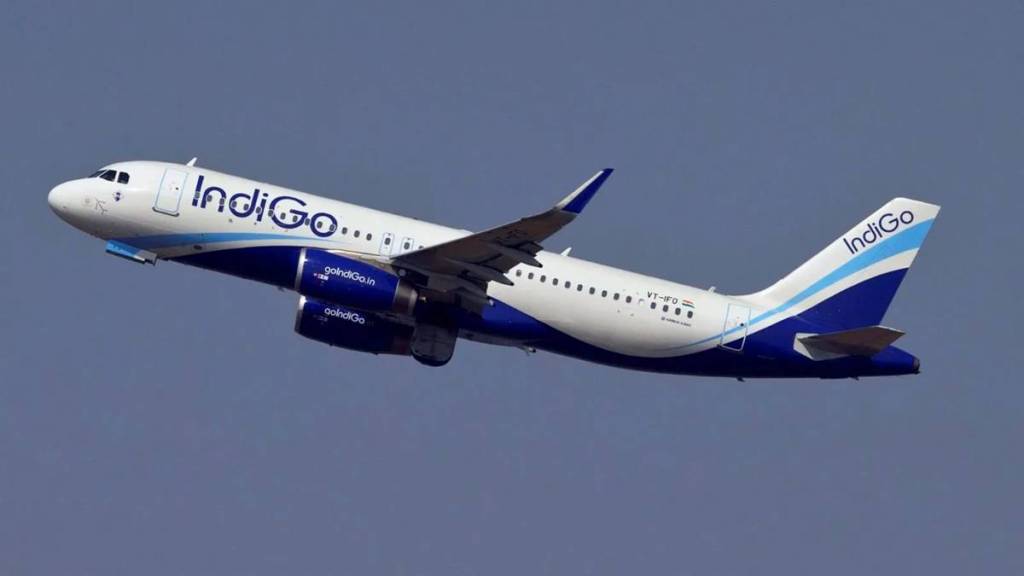

Airfares in India are likely to stay high in the coming quarters, with the price of jet fuel emerging as the biggest unknown. IndiGo’s passenger yields rose about 21% in the April to June quarter, while its fuel cost per available seat kilometre went up about 80%, according to a Nomura report.
The airline has issued guidance for a 25% rise in passenger revenue per seat kilometre in the July to September quarter. Singapore jet fuel, the benchmark for international purchases, was at $164.50 a barrel on September 30, against $93.36 on February 27 before the war in the Middle East began, as per the report.
IndiGo fares rise on fuel costs
Fuel charges took up 44% of IndiGo’s revenue in the first quarter of FY27, up from about 30% before the war. Fuel also made up about half of the airline’s costs, compared with about 40% earlier, according to Nomura. The airline’s cost per seat kilometre, excluding foreign exchange and acquisition costs, rose 36% from a year earlier. Most of that increase came from fuel.
Revenue per seat kilometre rose 19% in the same period. That meant IndiGo recovered roughly 53% of the cost increase through higher fares, as per the report. Nomura expected the recovery to settle between 50 and 70%, and to reach close to 70% in the second quarter.
Domestic ATF prices and airfares
The domestic picture was shaped by a government and oil marketing company cap on aviation turbine fuel. The cap limited the increase to 25% over the March base from April 1 to June 8, according to the report. Domestic rates moved to market-linked levels from June 9. International routes were at market rates throughout, which meant the relief was partial and temporary.
Global airlines pass on fuel costs
IndiGo’s recovery was in line with global airlines, as per the report. United Airlines recovered about 50% of its fuel cost increase in its latest reported quarter. It guided for 80 to 90% recovery in the following quarter and a full recovery by the one after that. American Airlines also recovered about 50%, according to the report.
Jet fuel prices and IndiGo margins
Nomura’s base case assumed some easing of the war in FY28, with jet fuel averaging $135 a barrel against about $155 in FY27. As a result, it expected fuel cost per seat kilometre to fall about 13%. Fares were not expected to fall by the same proportion. In FY24, fuel cost per seat kilometre fell 17%, and yields stayed flat, the report noted.
On that basis, IndiGo’s EBITDA margin was estimated to improve from about 15% in FY27 to between 20 and 23% in FY28 and FY29, according to the report. FY28 EBITDA was pegged at about Rs 240 billion in the base case. The International Energy Agency projected a global oil surplus of 4.6 million barrels a day by 2027, which could ease prices, as per the report.
The sensitivity was sharper in both directions. Every 12 to 13% rise in jet fuel prices would cut FY28 EBITDA by 15 to 20%, depending on capacity growth, according to Nomura. A fall of similar size would raise it by a comparable margin.
Higher airfares weigh on passenger demand
Higher fares have started to coincide with weaker traffic. Total passenger traffic was down 5% in the first five months of the fiscal year, as per the report. Domestic traffic was flat, while international traffic fell 20%. Nomura still saw demand as resilient and expected only a moderate dip in load factors. It also expected IndiGo’s capacity growth to be flat in the second quarter before picking up in the second half.
Lower load factors from expensive tickets were listed among the risks, along with any cap on fares or ancillary revenue, according to the report.
IndiGo’s domestic market share advantage
IndiGo carried about 64% of domestic passengers at the end of FY26, while the Air India group had about 27%, as per the report. Nomura said Air India’s older and mixed fleet, lower utilisation and premium focus left it with a higher cost base. Its long-haul widebody routes were expected to turn unprofitable first if fuel stayed high.
Akasa Air had a thinner liquidity buffer, according to the report, as it funded fleet expansion and international entry together. IndiGo held cash of Rs 529 billion at the end of the June quarter.
Nomura initiated coverage on InterGlobe Aviation with a Buy rating and a target price of Rs 6,000. That implied about 20% upside from the Rs 4,984 closing price on September 30, as per the report.