


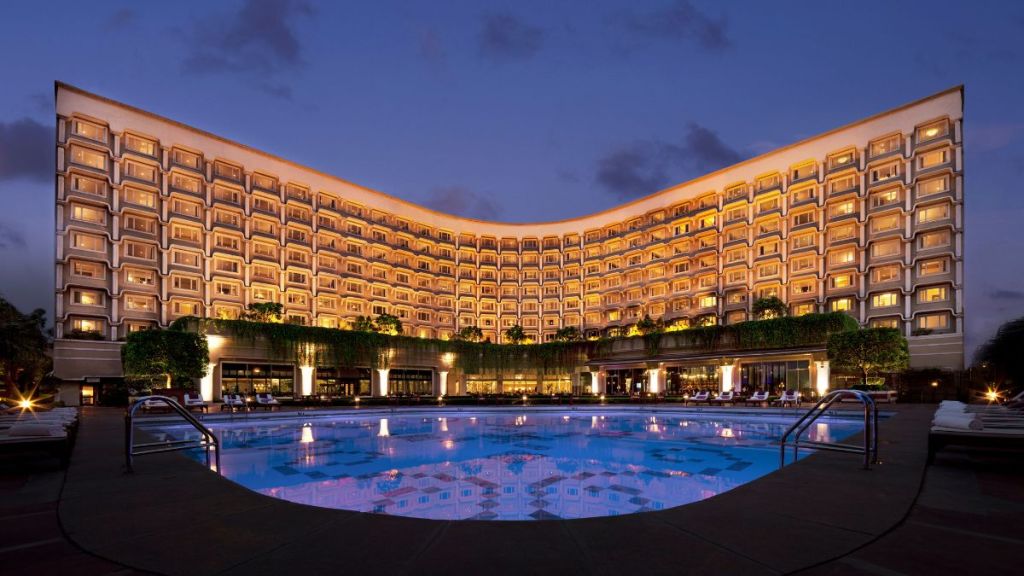

The country’s largest hospitality company, Indian Hotels Company (IHCL), will invest Rs 6,000-7,500 crore in capital expenditure over the next five years as it accelerates expansion under its Accelerate 2030 strategy, Chairman and Non-Executive Director N Chandrasekaran said on Tuesday.
Responding to shareholder queries at the company’s annual general meeting, Chandrasekaran said IHCL generates annual free cash flows of around Rs 1,200 crore, enabling it to sustain capital expenditure of Rs 1,000-2,000 crore every year.
A significant part of the investment pipeline includes the upcoming Taj Bandstand hotel in Mumbai, the group’s flagship luxury project being developed near Bandra Fort. Spread across two acres, the 50-storey, 500-room property will involve an investment of around Rs 2,000 crore.
“The company will spend between Rs 6,000-7,500 crore over the next five years in terms of capex. That is the commitment we have made,” Chandrasekaran said.
The investment plan comes as IHCL pushes ahead with its Accelerate 2030 roadmap, which targets consolidated revenue of Rs 15,000 crore and an expansion of its portfolio to over 700 hotels from around 630 currently. Of these, 375 hotels are operational. The company has also expanded through acquisitions over the past year, including ANK Hotels, Pride Hospitality and Brij Hotels.
For FY26, IHCL reported operating revenue of Rs 9,689 crore, with the Taj brand contributing 69% of the total, underlining the growing importance of the luxury hospitality segment in its business mix.
Chandrasekaran said the company would continue to adopt a calibrated approach to overseas expansion, adding that the Taj hotel in Frankfurt is expected to open later this year. While management contracts would remain an important growth driver because of their asset-light nature, IHCL would continue to maintain a balance with owned properties to ensure service standards and brand quality.
On the demand outlook, Chandrasekaran said domestic tourism continued to remain robust even as foreign tourist arrivals had moderated amid global uncertainties. He attributed the resilience of the hospitality sector to rising disposable incomes, improving air and road connectivity, sustained infrastructure investments and increasing travel aspirations among consumers.
“The hospitality sector in India is benefiting from a number of structural drivers and advantages,” he said, adding that India continues to remain one of the fastest-growing major economies despite geopolitical tensions, evolving trade dynamics and technology-led disruptions affecting the global economy.