


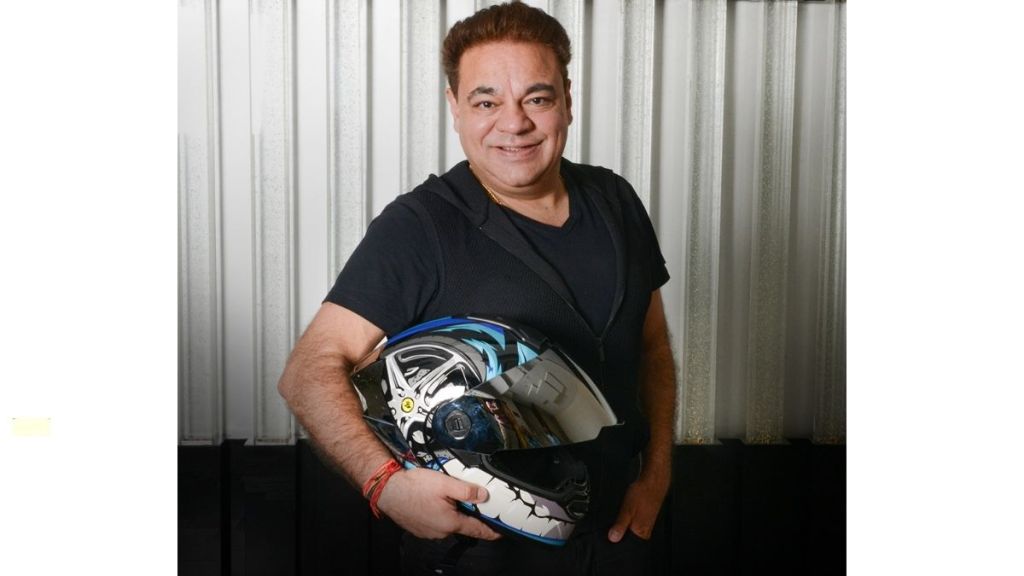

The helmet industry would need investments of more than ₹6,000 crore to meet potential demand if helmet-use rules are effectively enforced across the country, according to Steelbird Helmets managing director Rajeev Kapur.
Kapur said India could require as many as 12 crore helmets annually if regulations are implemented uniformly, compared with the current original manufacturing capacity of around 3 crore units across brands. Expanding capacity to meet this demand could also create at least one lakh jobs.
“According to WHO, only 30% of riders are wearing a helmet and only 10% of pillion riders are wearing a helmet. If helmets are being enforced across the country, then the demand can be as high as 12 crore helmets a year in India,” Kapur said.
The capacity gap is compounded by counterfeit and sub-standard helmets. Kapur estimates around 3 crore counterfeit helmets are produced in India, roughly matching the annual capacity of genuine manufacturers. He said some manufacturers produce helmets that do not meet required specifications despite holding BIS licences.
“The helmet implementation rules need to be implemented once capacity for original products is ramped up, otherwise the counterfeit ones will flood the markets,” he said, adding that counterfeit helmets are also widely available through two-wheeler outlets.
Kapur called for tighter certification and testing requirements, including licensing manufacturers with in-house laboratories capable of repeatedly testing helmets.
Steelbird has also called for the proposed Rule 138F, which provides for two helmets with every new two-wheeler, to be formally notified. Currently, only some OEMs provide a helmet with each motorcycle.
Implementing the rule could put more than four crore genuine helmets into use while increasing motorcycle prices by around ₹1,000, as OEMs procure helmets in bulk.
“Cost of the motorcycle will go up by around ₹1,000 only if the two-helmet rule is implemented. If this is implemented, more than four crore real helmets will be in use and this will help promote road safety,” Kapur said.
Steelbird is expanding capacity as demand for quality helmets rises. The company expects to produce 1.2 crore helmets this year, representing growth of at least 20%.
It operates seven plants in Himachal Pradesh and three in Noida and plans to invest ₹250 crore over the next two years in a new 22-acre facility in Himachal Pradesh. Steelbird aims to increase annual production to 2.5 crore helmets by 2032.
The company also plans to expand its exclusive retail network from around 400 stores to 1,000 within two years.
Steelbird’s helmets range from ₹899 to ₹20,000, while its flagship product now costs around ₹2,000 compared with about ₹1,000 earlier, reflecting growing demand for higher-quality helmets. The brand is currently focusing on Indian market only and not on exports for the time being.
The company reported FY26 revenue of ₹868.95 crore, EBITDA of ₹134.92 crore and profit before tax of ₹92.64 crore.