


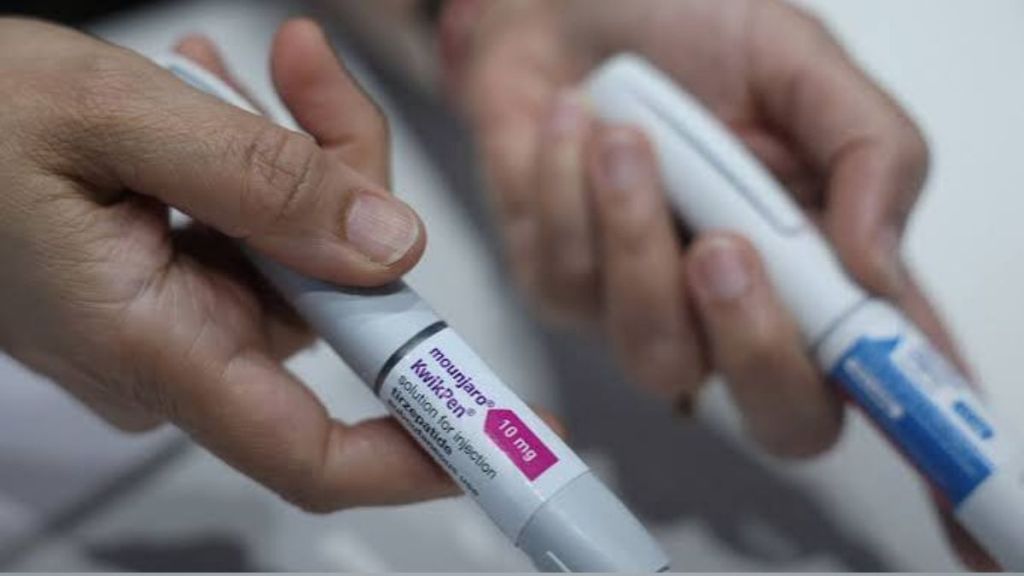

Danish drugmaker Novo Nordisk expects the market for GLP-1 drugs, used to treat diabetes and obesity, to grow 15-20% annually in India over the coming years despite rising competition from cheaper generic medicines. It is also preparing to introduce higher-dose semaglutide and an oral obesity treatment, with the pills potentially launching around mid-2027, subject to regulatory approval.
Vikrant Shrotriya, managing director of Novo Nordisk India, told FE that the market has considerable room for expansion, even as recent sales trends suggest some moderation in growth.
“You will not get a hockey stick, but you can still get one of the most fantastic growths in Indian pharma industry,” Shrotriya said. He expects the segment to grow faster than the broader pharma market, potentially by 50% or more.
The outlook comes amid intensifying competition following the expiry of semaglutide’s patent in March, which allowed domestic drugmakers to introduce cheaper versions. Companies including Sun Pharma and Dr Reddy’s Labs are expanding their presence in the segment.
Despite growing competition from cheaper generics, the drugmaker is betting on long-term demand rather than engaging in a price war. Shrotriya said it was focused on building doctors’ trust and sustaining its commitment to obesity treatment over many years. Drawing a parallel with insulin, he said the adoption of medicines takes time to expand, even as prices fall and new competitors enter the market.
The company has submitted applications for higher-dose semaglutide formulations, including 2 mg for diabetes and 7.2 mg for obesity, which are under regulatory evaluation. It has also filed an application for oral semaglutide specifically for obesity, which Shrotriya said has demonstrated average weight loss of 16.6% over 64 weeks in clinical trials.
Oral semaglutide tablets currently available in India, including the innovator brand Rybelsus and generic versions, are indicated for type-2 diabetes. Novo’s Wegovy pill, a higher-dose oral semaglutide formulation specifically approved for obesity in the US, became available there in January 2026.
According to healthcare research firm Pharmarack, the anti-obesity drug market was valued at Rs 287.9 crore in September, up 5.8% from August. Semaglutide generated sales of Rs 113.3 crore while tirzepatide recorded Rs 165.6 crore. Generic semaglutide brands accounted for Rs 66.7 crore, or nearly 59% of the molecule’s sales, showing that they now account for a large part of the market.
Beyond weight loss, Shrotriya said studies on semaglutide have shown benefits in reducing cardiovascular and kidney risks, as well as improving liver disease associated with excess fat. He argued that the focus of obesity treatment was shifting from simply losing weight to helping people live healthier lives for longer.
“We are also seeing early signs of GLP-1 acceptance in smaller markets. Obesity is also prevalent in rural areas, although at slightly lower levels than in urban areas,” he said.
The company is also expanding its focus beyond diabetes and obesity into specialised treatments, particularly sickle cell disease, an inherited blood disorder affecting an estimated 1.5-2 million people in the country. It has at least two treatments in clinical development and is working with government agencies to improve diagnosis, medical training and access to care.
Habib Bennaceur, senior vice-president for rare diseases at Novo Nordisk, said improving diagnosis and access to healthcare was as important as developing medicines. “Our ambition is to defeat sickle cell disease. We cannot achieve that by making drugs available alone; we must also address access to care at the local level,” he said.