


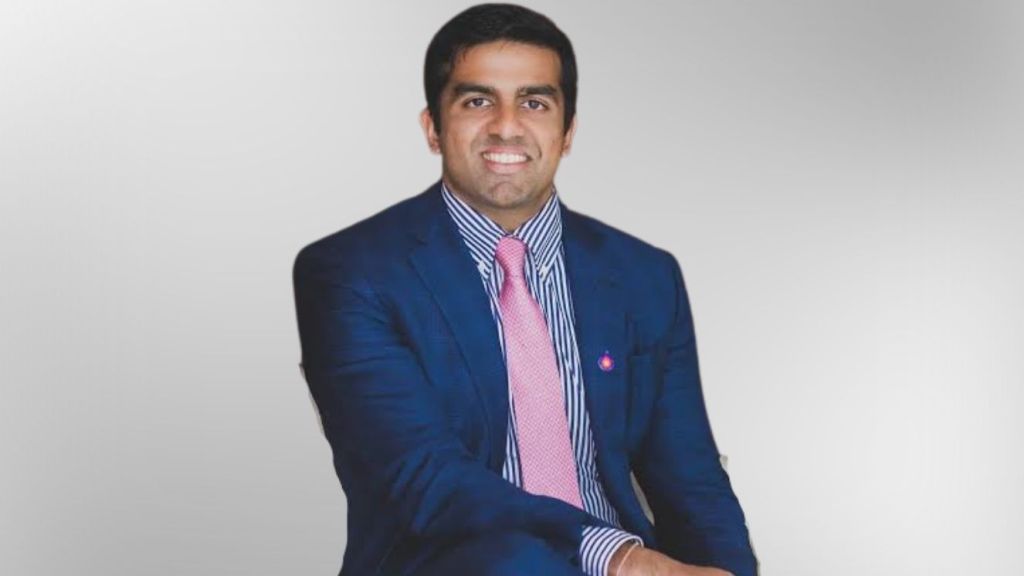

Parth Jindal’s age belies his maturity. At just 36, Sajjan Jindal’s son has made it clear he is not here to play it safe, unlike many scions who take the easy way out. In the decade since returning from Harvard University, he has carved out his own niche, steering into consumer-facing businesses far from the JSW Group’s commodity mainstays.
He insists he is less of a risk-taker than his father. Yet the third-generation entrepreneur, who spent six months at a New York hedge fund and had a short stint at JFE Steel, has placed some bold bets. From paints to automobiles, he is going where he believes the future lies, unafraid of entrenched competition.
Boldness, however, does not mean haste. The group’s entry into automobiles in 2019, partnering China’s SAIC Motor in MG Motor’s Indian operations, was a quiet start. The alliance deepened in 2023 when JSW acquired a 35% stake in the joint venture. With technology access critical, teaming up with a strong Chinese partner rather than scouting for know-how is paying off. Parth’s ambition goes beyond making vehicles: he is building an entire EV ecosystem, aiming to be a frontrunner.
Another gutsy move was acquiring a controlling stake of up to 74.76% in Akzo Nobel India, in a deal valued at Rs 13,000 crore. Clinched after tough negotiations that fended off a last-minute counter-offer, it vaults JSW Paints from also-ran to the country’s fourth-largest player. Akzo Nobel’s top-class portfolio, led by the iconic Dulux brand, and its strong urban reach will bolster JSW Paints’ offerings. The 2019 entry into paints, a fiercely competitive market with powerful incumbents, was itself seen as audacious, but Parth has used the group’s distribution muscle to gain share.
Parth relishes a challenge. Back from business school in 2016, he chose to run the group’s loss-making cement unit and turned it around. He says he always wanted to prove himself and earn his colleagues’ respect.
Hands-on yet pragmatic, he knows he may not be the best person for every venture. One cannot be passionate about every business, he reasons, so it is often better to bring in professionals, and sometimes wiser to step back and remain a shareholder. That is a level of realism few young leaders display. He values the complete freedom his father has given him, with no interference and no reviews, saying it has helped him grow and learn from his mistakes. He carries considerable responsibility on young shoulders, but will share the load if that helps him achieve his goals.