


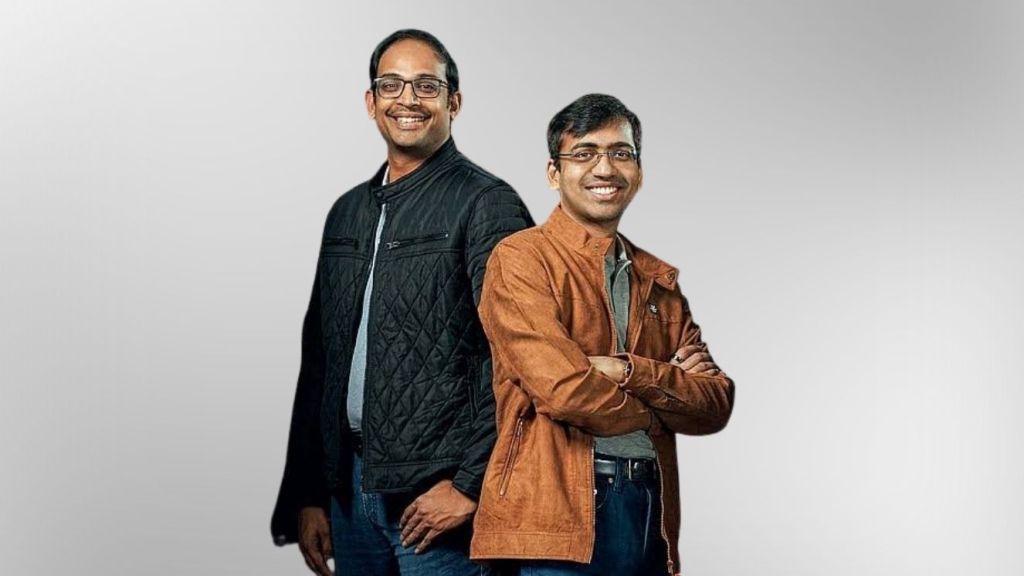

When Pawan Kumar Chandana and Naga Bharath Daka left the Indian Space Research Organisation (Isro) in 2018, they gave up the security of government-backed research to build a private rocket company in a sector barely open to entrepreneurs. The two aerospace engineers believed India could create its own commercial launch industry, though turning that conviction into a business would demand more than rocket science.
Seven years on, their Hyderabad-based Skyroot Aerospace has developed an orbital launch vehicle, attracted global investors and set its sights on competing in the international space launch market.
The founders brought complementary experience in rocket engineering from Isro, but building a company required a different set of skills. They set out to build a family of rockets that could carry small satellites to space more affordably and frequently. As satellite operators worldwide sought flexible, dedicated launches and Indian policy began opening the sector, they bet on offering launch services rather than supplying components to established players.
Convincing investors was an early hurdle. Space technology needs patient capital, Chandana told Financial Express, because development cycles are long, risks high and revenues slow to arrive. When Skyroot started, no Indian investor had a dedicated space-tech thesis, and the founders had to raise money before the country’s space policy was announced.
Building a workforce was another challenge: more than 90% of employees had never worked in the space sector, so the founders had to build capabilities and train talent from the ground up. The effort paid off. In May 2026, Skyroot raised $60 million at a $1.1 billion valuation, becoming India’s first space-tech unicorn.
In November 2022, Vikram-S became the first rocket built by an Indian private company to reach space. On July 18, 2026, Vikram-1 reached low Earth orbit on its maiden flight, a landmark for India’s private launch capability. Designed to carry satellites of up to 350 kg, it uses more than 90% domestically sourced components. Skyroot is scaling production and launch frequency while developing Vikram-2, a larger vehicle for a wider range of missions.
The next test is whether Skyroot can launch reliably and repeatedly. Reaching orbit is the hardest milestone, Daka has said, but consistent launches demand manufacturing quality and operational discipline. The company is targeting one mission a month while developing reusable launch vehicles, a longer-term goal. The task is to turn years of engineering and investor confidence into a sustainable business, in a global market where reliability, cost and launch capacity will decide success.