


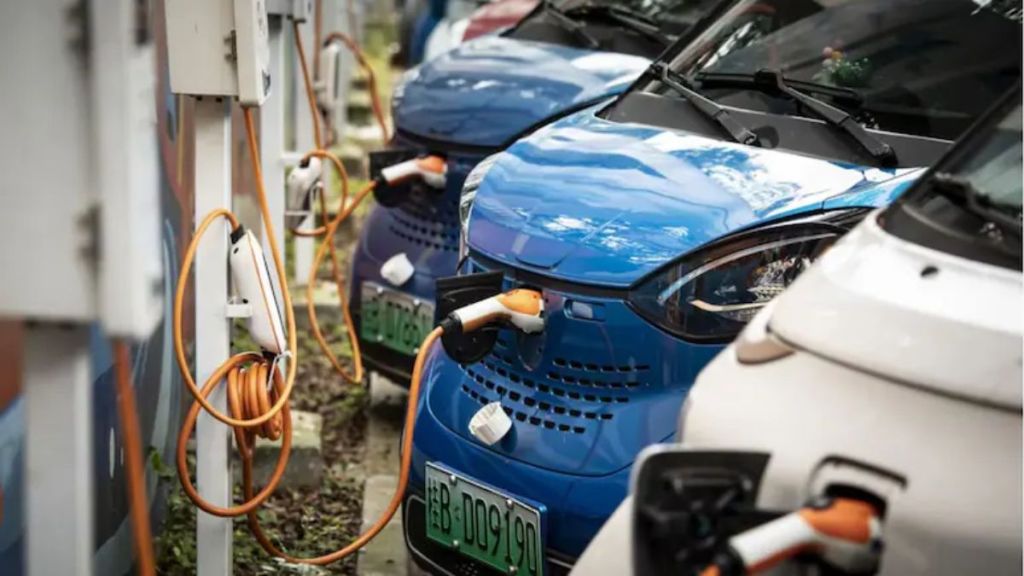

The biggest incentive for car buyers is a 100 per cent exemption on road tax and registration fees for electric cars with an ex-showroom price of ₹30 lakh or less registered in Delhi. The move is expected to benefit buyers of models from Tata Motors, Mahindra, Maruti Suzuki, Hyundai, Kia, JSW MG Motor India, VinFast, BYD and Toyota that fall within the price threshold, resulting in significant savings on the on-road cost.
Electric two-wheeler buyers will also receive direct purchase incentives of ₹30,000 in the first year, ₹20,000 in the second year and ₹10,000 in the third year. Manufacturers with established electric scooter portfolios, including TVS Motor, Bajaj Chetak, Ather Energy and Hero MotoCorp’s Vida brand, are expected to be among the key beneficiaries.
Automakers welcome the policy
Automakers welcomed the policy. “Delhi has once again demonstrated progressive leadership. By prioritising pure EVs and ambitious electrification timelines, the policy strengthens confidence in India’s EV ecosystem and can become a benchmark for other states,” said Sushant Naik, Global Head of Government & Corporate Affairs, Tata Motors.
“We welcome Delhi’s new EV policy. It promotes cleaner mobility, encourages scrapping of older polluting vehicles, reduces crude oil dependence and can serve as a model for other states,” said Anurag Mehrotra, Managing Director, JSW MG Motor India.
Tarun Mehta, Co-founder and CEO of Ather Energy, said the incentives, phased electrification roadmap and charging infrastructure commitments create a strong foundation for EV adoption and could make Delhi a benchmark for the rest of the country.
“We welcome Delhi’s forward-looking EV policy and remain committed to sustainable mobility, accelerating EV adoption while continuing to delight our customers,” said Sudarshan Venu, Chairman, TVS Motor Company
Ravi Bhatia, President and Director, JATO Dynamics India, said the policy marks a significant milestone in India’s mobility transition. While incentives and policy direction will accelerate adoption, he said the biggest gains in air quality will come through expansion of charging infrastructure and the gradual replacement of the existing vehicle parc.
The policy marks the next phase of Delhi’s clean mobility push, with the government committing around ₹15,000 crore over four years to strengthen the EV ecosystem. Chief Minister Rekha Gupta said the focus will be on expanding charging infrastructure, electrifying public transport and building the ecosystem needed to accelerate EV adoption.
From January 1, 2027, only electric autorickshaws will be registered in Delhi, followed by the registration of only electric two-wheelers from April 1, 2028. Owners of BS-IV four-wheelers scrapping older vehicles will also receive a ₹1 lakh incentive.
The final policy drops the draft proposal to extend incentives to hybrid vehicles priced up to ₹30 lakh, with officials confirming hybrids will receive no subsidy. Replacing Delhi’s 2020 EV policy, the new framework now awaits a detailed notification outlining the implementation roadmap, eligibility criteria and incentive structure.