


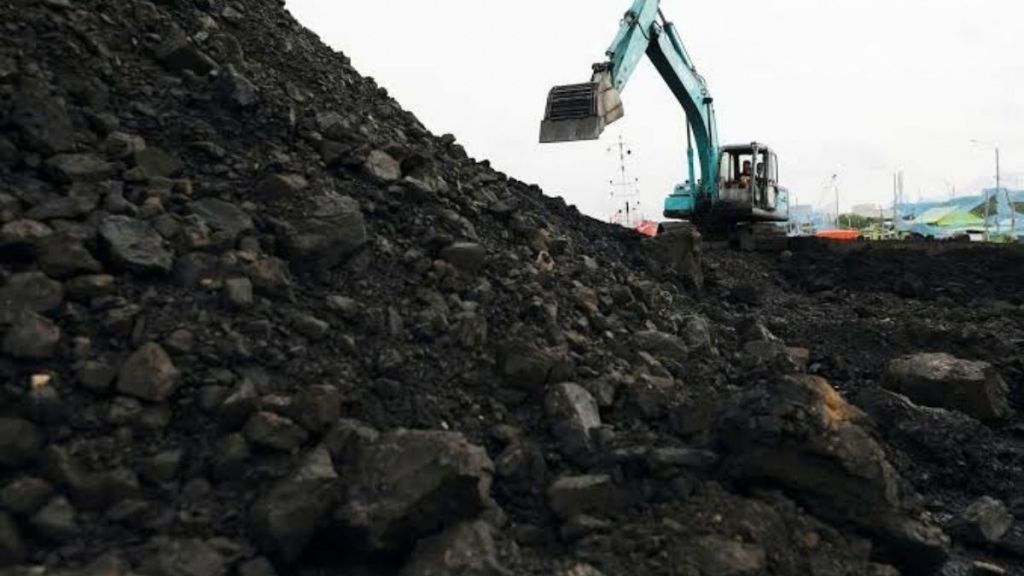

Coal stocks have fallen to critical levels at 77 of 190 thermal power plants in India, at a time when power demand is rising and hydropower generation is weak.
According to a recent JM Financial report, rainfall has been deficient, and hydropower output fell 12% from a year earlier between 1 and 23 September. Coal and gas power plants have had to cover the shortfall, even as peak demand touched 248 GW during solar hours.
India’s power demand rises 8%
Average daily energy demand during the week was 5,381 million units, up 8% from a year earlier. Peak demand during solar hours was 12% higher, while peak demand during non-solar hours was 241 GW, up 5%. The maximum deficit was zero during solar hours but rose to 5,443 MW after sunset, the report said.
Coal and gas generation surge
The fall in hydropower was the fifth straight monthly decline, according to JM Financial. Over the same period, coal generation rose 18% and gas-based generation rose 64%, as thermal plants took up the slack.
Coal stocks hit critical levels at 77 plants
Coal stocks at the 190 plants, which have a combined capacity of 225 GW, stood at 38% of the normal level. The report attributed this to slow mining and evacuation in eastern coalfields because of monsoon rains. Of the 77 plants at critical levels, 67 run on domestic coal, eight on imported coal and two on washery rejects.
India’s wind and battery storage expansion
India is on track to add 7.5 to 8 GW of wind capacity in FY27, the report noted. In power storage, the country tendered about 3.16 GW of capacity in August, which was 85% higher than in July. Some 87% of it was for four-hour storage, and all of it was standalone.
The Maharashtra Electricity Regulatory Commission has separately proposed a minimum storage duration of two hours for standalone battery systems. It has also suggested capacity thresholds of 5 MW for transmission-connected systems and 1 MW for distribution-connected ones. According to the report, the proposal would treat battery storage as an independent asset that can be monetised, rather than a passive backup system.
Odisha clears nuclear project studies
Odisha has given in-principle approval to NTPC and Adani Power to conduct feasibility studies for nuclear power projects at multiple locations. The state had earlier received proposals from NTPC, Adani Power and Tata Power.
Overseas, Samsung C&T has partnered with Kairos Power and will invest up to $100 million to help build a 50 MW demonstration advanced small modular reactor for Google, the report said. Kairos is building two reactors in Oak Ridge, Tennessee, and expects the first to be commissioned in 2030, in line with its agreement with Google.
India’s energy security push
The week’s developments showed a grid that is leaning on thermal and gas-based plants for now, even as newer sources keep gaining ground. JM Financial’s note pointed to a rise in wind additions, a sharp jump in storage tenders and early approvals for nuclear feasibility studies in Odisha.
Ministry of Power Secretary Pankaj Agarwal said the outlook after Hormuz means India has to move away from oil and gas wherever it can, though there is a limit to how far that can go. He named solar, wind and biomass, and possibly nuclear and coal, as the options. “Renewable energy is a reality and is key to our energy security,” he said.