



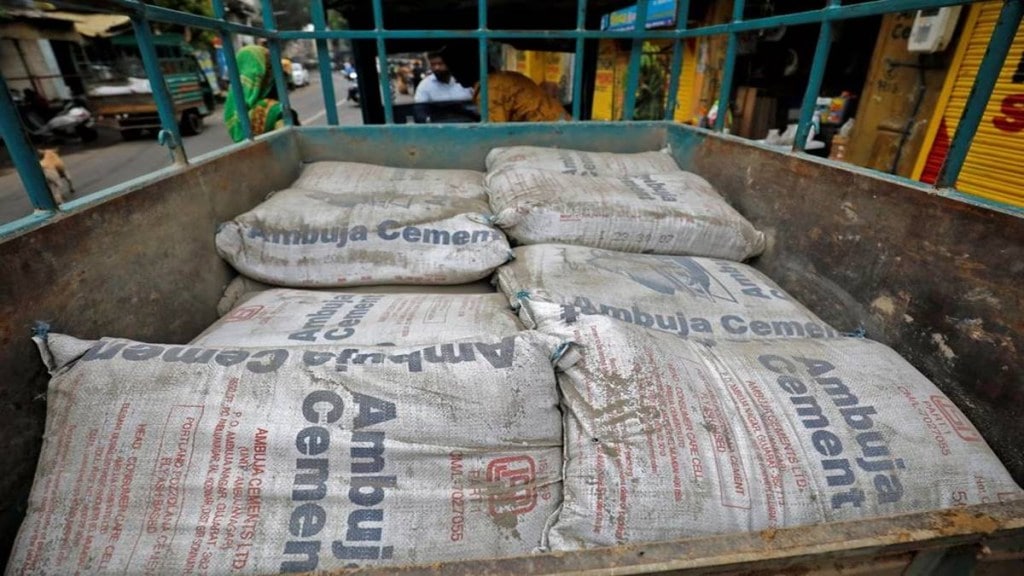
Ambuja Cements has bought a 56.74% stake in smaller rival Sanghi Industries at an enterprise value of Rs 5000 crore($604.4 million). The deal is billionaire Gautam Adani-led conglomerate’s first major acquisition this year after a report by short-seller Hindenburg Research in January slammed the group shares and led to investigations into the group.
Ambuja will acquire a 56.74% stake in Sanghi for Rs 1674 crore rupees ($202.4 million), and launch an open offer for a further 26% stake at Rs 114.22 per share, a 13.8% premium to Sanghi Industries stock closing price on August 2. Adani Group bought Holcim AG’s cement businesses in India last year – Ambuja Cements and ACC Ltd – for over $10 billion in its largest-ever acquisition.
The acquisition will be fully funded through internal accruals. Sanghi Industries (SIL) has clinker capacity of 6.6 MTPA (million tonnes per annum), cement capacity of 6.1 MTPA and limestone reserves of 1 billion tonnes.
With the Sanghi Industries acquisition, Ambuja Cements’ capacity will increase to 73.6 MTPA, the company said in a regulatory filing. There has been strong demand for cement in India as the government has increased its infrastructure projects and due to the strong demand for residential houses, albeit in the luxury sector. This also makes it possible for Ambuja Cement to achieve its goal of 140 MTPA capacity ahead of the target it had earlier- 2028.
Speaking on the acquisition, Gautam Adani, Chairman of the Adani Group said, ““By joining hands with SIL, Ambuja is poised to expand its market presence, strengthen its product portfolio, and reinforce its position as a leader in the construction materials sector. With SIL’s limestone reserves of a billion tonnes, ACL will increase cement capacity at Sanghipuram to 15 MTPA in the next two years. ACL will also invest in expanding the captive port at Sanghipuram to handle larger vessels. Our aim is to make SIL lowest cost producer of Clinker in the country.”
The cement sector in India grew 9.4% in June. Ambuja has posted a 29% rise in its April to June-quarter profit, excluding dividend income, boosted by demand for its premium cement products.