


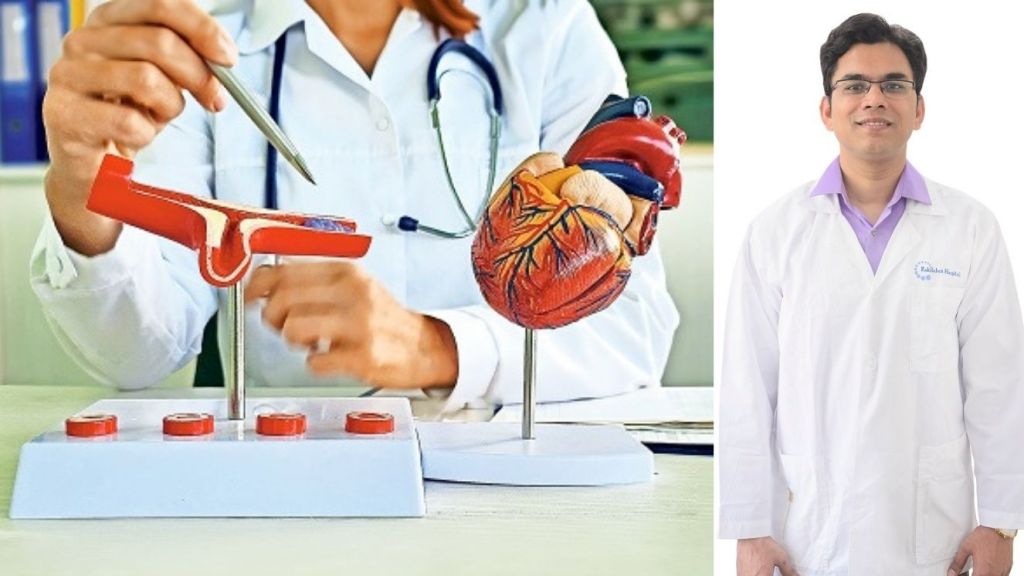

Blood clots are a major cause of strokes. Are there any warning signs and symptoms of a blood clot forming in the body? Dr Tushar Raut, consultant, neurology, Kokilaben Dhirubhai Ambani Hospital, Mumbai, says: “Some clots give no warning at all. Others show up as swelling, pain, warmth, or redness in an arm or leg. When one reaches the lungs, breathing becomes suddenly difficult, chest pain sets in, or the heart starts racing. Facial drooping, weakness on one side, trouble speaking, or vision loss can mean a stroke. None of these should be waited out, and one should get emergency help immediately.”
What causes blood clots?
Clotting is something the body does naturally to stop bleeding. The trouble starts when clots form inside blood vessels for the wrong reasons. Sitting for long periods, surgery, injuries, smoking, obesity, cancer, pregnancy, hormonal medicines, inherited clotting conditions, and family history all play a role. Certain heart conditions add to that risk too, making stroke or other serious events more likely.
Where do they usually form?
Clots do not stay in one place. They can develop in veins or arteries across the body. Deep vein thrombosis tends to settle in the legs, thighs, pelvis, or arms. When a clot forms in vessels feeding the heart or brain, a heart attack or stroke can follow. If one breaks off and reaches the lungs, it becomes a pulmonary embolism, something that can turn critical very fast.
Can they resolve on their own?
The body does break down some clots on its own, but waiting it out is not a safe approach. A clot can grow, cut off blood flow, or move to a vital organ before the body has any chance to deal with it. Where the clot sits and how serious it is will guide treatment, whether that means blood thinners or procedures to dissolve it. Suspected clots need to be assessed without delay.
Are all clots life threatening?
Clots that form after a cut or injury are doing exactly what they should. The ones that form inside blood vessels without good reason are a different matter entirely. They can block blood flow and put organs under serious threat. In the brain, that means a possible stroke. In the lungs, a pulmonary embolism. How dangerous a clot becomes really comes down to where it is and what it is blocking.
How to prevent thrombosis?
Moving regularly, breaking up long periods of sitting, and keeping the legs active during travel all make a difference. Not smoking and staying at a healthy weight help too. Getting back on your feet quickly after surgery or illness is encouraged where possible. Anyone with known risk factors should have a conversation with their doctor. Compression stockings or blood thinners may be suggested, though blood-thinning medicines should only ever be taken under proper medical supervision.