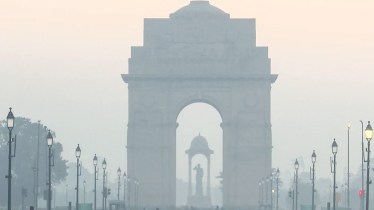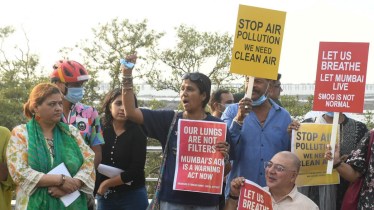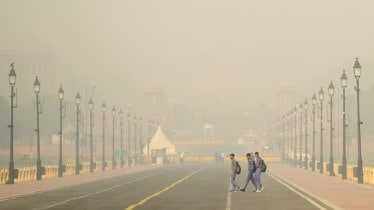
Delhi is drowning in thick smog and making headlines everywhere. The average Air Quality Index (AQI) today was 492 at 7 am. In such conditions, lungs can suffer significant harm – even for healthy non-smokers.
The AQI surpassed the 500 mark at several locations, including Alipur, Anand Vihar, Bawana, Narela, Pusa, and Sonia Vihar, posing severe health risks for everyone, not just individuals with pre-existing conditions.
The air in Delhi is in the “severe-plus category”. The administration has implemented the highest graded response with the Supreme Court saying that it will stay in place until it orders otherwise.
Dr. Nikhil Modi, Senior Consultant in Respiratory and Critical Care at Indraprastha Apollo Hospitals, told The Indian Express that Delhi’s current pollution levels are akin to inhaling the harmful substances found in 49-50 cigarettes a day. These particulates and gases penetrate deep into the lungs, entering the bloodstream and causing systemic health issues that go far beyond respiratory ailments.
Modi added that all of this can cause inflammation and damage lung tissue over time. This can lead to chronic diseases which are usually associated with smoking, such as respiratory and cardiovascular ailments. Under such conditions, even healthy non-smokers can experience significant lung damage.
Prolonged exposure to air pollution leaves residents vulnerable to harmful gases and particulate matter like PM2.5, PM10, NO₂, SO₂, and O₃, largely from vehicles, industries, and biomass burning. These pollutants cause immediate issues like coughing, wheezing, and breathing difficulties, and long-term exposure may result in asthma, COPD, heart disease, or lung cancer. Children and the elderly, with their developing or weakened immune systems, are at greater risk of severe health complications. Winter worsens the situation as weather conditions trap pollutants near the ground, creating hazardous air that endangers even healthy individuals. The health impact is both severe and widespread.
Indoor air quality is closely linked to outdoor pollution, as particulate matter and other pollutants often seep indoors. Common indoor contaminants include volatile organic compounds (VOCs) from household products, smoke from cooking or heating, and outdoor pollutants that infiltrate enclosed spaces.
Indoor pollution can sometimes be as harmful, if not worse, than outdoor pollution due to the buildup of toxins in poorly ventilated areas. During periods of severe outdoor pollution, keeping windows closed to block contaminants can inadvertently trap harmful substances inside. To mitigate this, effective strategies like using air purifiers and ensuring proper ventilation are essential for maintaining healthy indoor air.