


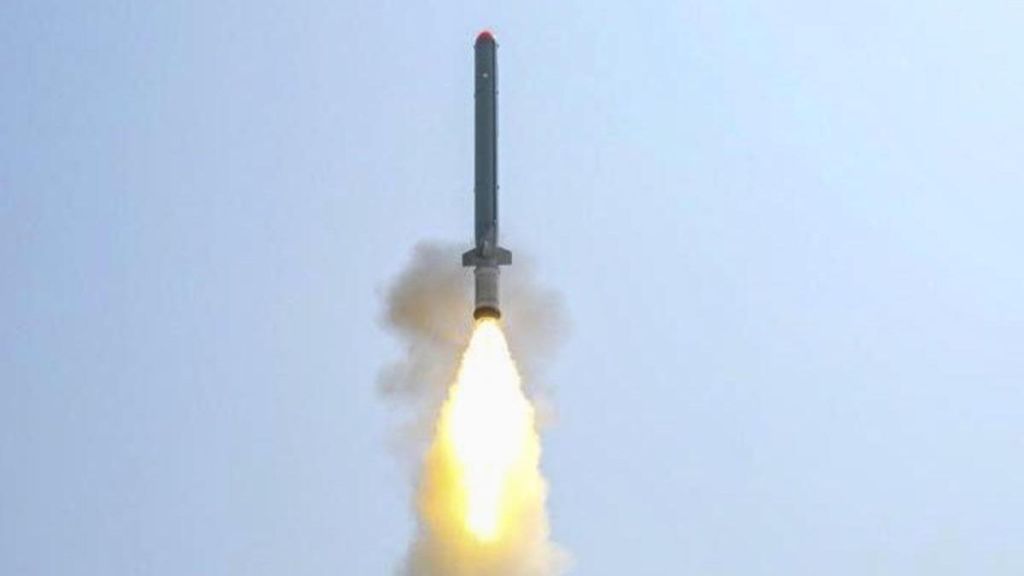

The government has approved the transfer of DRDO-developed missile-production technologies to the Indian defence industry. This should be seen as part of a broader policy effort to strengthen indigenous defence manufacturing, deepen industrial capability & enhance strategic self-reliance, writes Pawan Khatter.
What is the govt doing to boost domestic capability?
Over the past several years, India has implemented a series of reforms aimed at creating a more competitive and self-reliant defence industrial base. Key initiatives include procurement preferences for indigenously designed and manufactured equipment under the Defence Acquisition Procedure, higher allocations for domestic procurement, progressive import-substitution measures via positive indigenisation lists, and streamlined technology-transfer mechanisms.
The government has now approved the transfer of Research and Develop-ment Organisation (DRDO)-developed technologies of all conventional missile systems to the Indian defence industry for production within the country. It has also been expanding industry participation through programmes such as iDEX, the Technology Development Fund, the Development-cum-Production Partner framework and the SRIJAN platform. In parallel, reforms relating to industrial licensing, foreign investment, testing infrastructure and defence industrial corridors have sought to improve the ease of doing business and encourage greater private-sector participation across the value chain.
How could this reduce India’s dependence on defence imports?
THE ABILITY OF Indian industry to manufacture and integrate complete missile systems could gradually reduce reliance on imported platforms and foreign suppliers. Beyond the initial acquisition, domestic production has the potential to strengthen local capabilities in maintenance, repairs, upgrades and lifecycle support. Over time, larger production volumes will encourage localisation of critical components, materials and subsystems, helping develop a broader domestic supply chain. Greater indigenous capability can also improve resilience against supply-chain disruptions, geopolitical restrictions and external dependencies during periods of heightened operational demand.
What impact could this have on defence spending?
IN THE NEAR term, investment requirements may increase as manufacturers establish specialised production facilities, testing infrastructure and quality-assurance systems. However, domestic production can generate longer-term economic benefits by reducing dependence on imported equipment, overseas support services and foreign-currency-linked procurement costs.
Increased competition, larger production runs and improved local availability of spares and maintenance support could contribute to more efficient lifecycle costs. Additionally, a greater share of defence expenditure would circulate within the domestic economy through employment generation, industrial investment, research and development, and supply-chain expansion.
How will this help private-sector participation?
THE POLICY CREATES an opportunity for private companies to move beyond component manufacturing and participate in the production, integration and support of complete weapon systems. This would represent a significant progression up the defence manufacturing value chain.
The resulting ecosystem will encourage investment in advanced manufacturing technologies, systems engineering, testing and quality assurance capabilities. It may also create opportunities for a wider network of suppliers, including MSMEs, supporting the development of a more diversified and resilient defence industrial base.
Increased participation by private industry along-side public-sector enterprises could expand national production capacity and accelerate capability development.
Can India be a major defence exporter?
INDIA HAS ALREADY demonstrated growing momentum in defence exports, supported by international interest generated by several indigenous defence platforms. The ability to manufacture and support complete systems will strengthen India’s position in global markets by allowing industry to offer integrated solutions.
Export competitiveness will also depend on factors such as production capacity, lifecycle support capabilities, regulatory approvals and government-to-government cooperation. A broader manufacturing base may help improve scalability, sustain production lines and support long-term customer requirements.
While export growth is expected to remain subject to geopolitical, regulatory and market considerations, stronger domestic manufacturing capabilities are likely to enhance India’s ability to participate in international defence markets and support the country’s broader strategic and economic objectives.
The writer is partner and national leader, Aerospace and Defence Sector, EY India