



This week, FMCG major ITC Ltd completed its acquisition of Sproutlife Foods, the parent company of healthy snacking brand Yoga Bar. Among other things, the move underscores the company’s growing focus on ‘better-for-you’ products or protein-rich offerings. Over the last 12 months, it has introduced high-protein atta under the Aashirvaad brand and breakfast smoothies with added protein under its Sunfeast brand.
It’s not just ITC. FMCG companies such as Amul, HUL, Zydus Wellness, McDonald’s and Parag Milk Foods are strengthening their portfolio of protein-enriched foods and snacks. The macronutrient is no longer a niche offering available to gym buffs in powdered or supplement form. From burgers and chips to breakfast cereal, brands are upping their protein quotient, making it part of everyday consumption.
Experts say this shift is a consequence of greater consumer awareness about food and nutrition, and a growing demand for healthier food options. “Brands are leveraging this demand as an opportunity to drive sales by riding on ingredient-based product positioning,” says Santosh Sreedhar, partner, Avalon Consulting.
The acquisitions of Yoga Bar, Max Protein (by Zydus Wellness in 2024) and OZiva (HUL completed the acquisition earlier this year) show how far the category has evolved. What began as a niche nutrition segment is increasingly becoming a broader opportunity for brand expansion.
According to a report by the IMARC Group, India’s protein-based product market was over Rs 44,000 crore in 2025. It is expected to grow at a CAGR of 14.7% to reach Rs 1.61 lakh crore by 2034. Sreedhar notes that the growth opportunity is spread across a wide range of products such as biscuits, energy bars, beverages and dairy, among others.
Fast-food players aren’t far behind either. Last year, Westlife Foodworld, which owns McDonald’s restaurants in West and South India, launched a vegetarian “Protein Plus Slice” made from soy and pea protein, allowing consumers to add 5 grams of protein to any burger of their choice. Akshay Jatia, CEO, Westlife Foodworld Ltd, says protein has emerged as a mainstream nutritional consideration for consumers across age groups, lifestyles and occasions. “What was once largely associated with fitness enthusiasts is now part of a broader conversation around everyday nutrition. Consumers are looking for nutritional choices that fit seamlessly into their daily lives, without compromising on taste, convenience or value,” he adds.
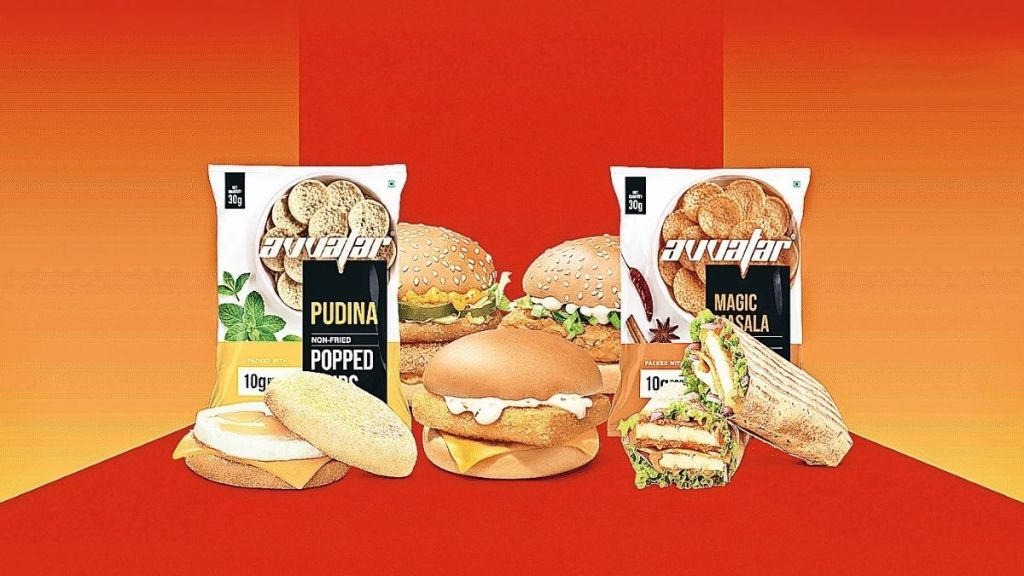
Parag Milk Foods, which owns dairy brands like Go and Gowardhan, is also betting big on the protein opportunity with two ‘new-age’ brands, Avvatar and Pride of Cows. Akshali Shah, executive director, Parag Milk Foods Ltd, says Avvatar, which is its sports nutrition and protein brand, has grown elevenfold over the past four years. “We’re making protein part of everyday consumption through formats like cold coffee, protein chips, Pride of Cows’ high-protein paneer and Greek yogurt with 8 grams of protein,” she says.
Both brands contributed 10% of Parag Milk Foods’ turnover in FY26, compared with 6% in FY25. Shah adds that in Q4 of the last fiscal alone, they crossed Rs 100 crore in quarterly revenue.
Heavy lifting
The move towards protein-enriched and healthier offerings also allows brands to take the premiumisation route, with gourmet meals, global flavours and high-quality ingredients. However, this also presents the challenge of cost. Parvinder Arora, assistant professor, marketing at IMI Delhi, says consumer surveys show that most Indians find healthier offerings too expensive compared with standard packaged snacks and food.
Some brands like Amul are attempting to address this. “Amul is monetising the three million litres of byproduct whey it generates daily through high-protein buttermilk, lassi, and ice cream. Single-serve and sachet formats on quick commerce carry roughly 40% higher cost per gram, but dramatically lower the commitment barrier for first-time buyers,” Arora points out.
Dairy brands have an added advantage in that as they can generate whey in their own factories rather than depend on imports, as some sports nutrition brands do. This helps ensure better quality and affordability. ITC is also addressing the price challenge in markets like Bihar, Jharkhand and West Bengal, with its launch of chana sattu (roasted chickpea flour) at Rs 10 a pack, delivering 10 grams of protein.
The other major challenge is taste. “The product can have a strong nutritional proposition, but unless it tastes good, fits naturally into the consumer’s routine and offers value, it will not create repeat consumption,” says Shah, pointing out that consumers shouldn’t have to choose between nutrition and enjoyment. Product development is therefore a critical process for the company, she adds.
In their effort to improve the taste factor, brands should be mindful of other harmful added ingredients such as palm oil, artificial sweeteners and refined salt. That is where industry bodies such as the Food Safety and Standards Authority of India (FSSAI) will play a key role. Protein quality will also become a key differentiator in the future. “Simply raising grams per serve with cheap plant sources can satisfy a label claim without delivering real nutrition,” remarks Arora. Ultimately, the “added protein” label should improve the product quality, not just act as a halo over an unchanged one.