



Consider this: The IWSR (International Wine and Spirit Record) estimates that around 15–20 million consumers reach legal drinking age in India every year. IWSR expects India to move from the world’s eighth-largest beverage alcohol market currently to the fifth-largest by 2035.
Now browse through the cocktail menu at your nearest swanky bar. It is likely to feature more than the standard cosmopolitans or whisky sours, making way for interesting concoctions like jamuntinis or guava chilli highballs. The growing trend of experimental, local flavours is now also driving liquor and beverage brands to enter the ready-to-drink alcohol category, expanding the market beyond wines, beers and hard liquor.
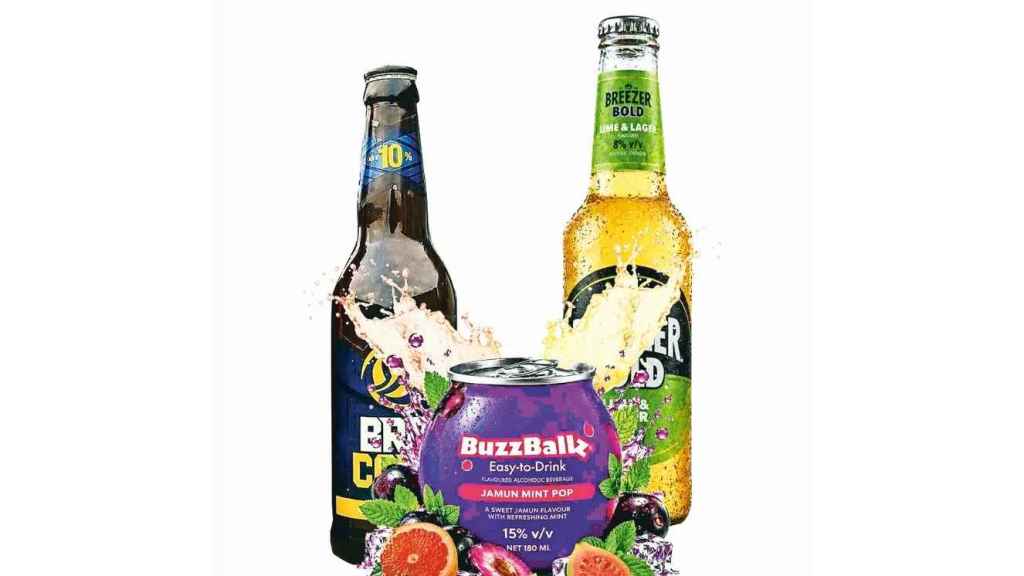
Diageo recently announced the launch of its Smirnoff Ice brand in the ready-to-drink (RTD) segment with peach and jamun flavoured drinks, taking on market leader Bacardi Breezer. PepsiCo’s bottling partner, Varun Beverages, also recently launched KIVA Spirits, its RTD alcohol business. Bacardi too expanded its portfolio with Breezer Bold, featuring variants such as guava chilli and lime and lager.
As per industry estimates, the RTD alcohol segment has been growing at 12% in volume annually in India over the last few years, outpacing global growth. According to JM Financial, the country sees annual sales of around 1.1 billion cases of liquor. Beer and Indian-made foreign liquor each account for 400 million. Comparatively RTD is still niche, though fast growing, with sales in 2025 estimated at 5.3 million nine-litre cases.
India’s Gen Z is playing a major role in driving a shift towards drinking better, not more, say experts. Over the next five years, the country will have an estimated 100 million new legal drinking-age consumers. This cohort is likely to push alcoholic beverage makers towards more flavours in RTD packs, lower-alcohol options, craft cocktails, and premium pours.
What is also changing is the reason someone reaches for a drink, say experts. Younger consumers are more conscious of how they want to feel the next day, how much they are drinking, and whether the occasion calls for something lighter, opines Himanshu Vashishtha, founder and global CEO of SixthFactor. The same consumer may choose a premium spirit at a celebration, a beer after work with friends and an RTD when they want something lighter or convenient. “Brands need to understand those switches rather than average them into a single preference. Those that get the occasion, price and availability right have the opportunity to make RTDs a more meaningful part of India’s alcohol market,” says Vashishtha.
Mindful consumption
Brands are also dabbling with alcohol-free cocktails and beers during the festive months to cater to consumers who are cutting back. “Younger consumers are seeking pleasure and indulgence, but are also becoming conscious of what they put into their body. There is growing consciousness with respect to sugar, and lighter formulations which are good for your body,” says Rutu Mody Kamdar, founder, Jigsaw Brand Consultants.
She adds that the RTD formats present a good opportunity for brands in a market like India, which has been very spirit-led. “Brands, however, should be careful to not approach RTD simply as diluted versions of existing spirits. They now have the opportunity to build distinctive propositions around flavours, local palates and emerging social rituals,” says Kamdar.
Sam Mahandru, founder of alcobev brand IndoBevs, observes that the fast-growing segment is still at a nascent stage in India compared with other markets. “Until a few years ago, RTDs were seen as a stepping stone, something you drank before moving on to ‘proper’ or hard alcohol. Today they’re a category in their own right, alongside beer, wine and spirits. Globally, this shift has already happened. In India, the headroom is big,” he says.
IndoBevs recorded its highest sales for BroCode (its sparkling wine coolers) in 2026, selling over 1 lakh bottles daily at a CAGR of over 50%, adds Mahandru. Right now, the strongest growth is at the accessible end of the market, roughly at the Rs 100 to 200 mark. But the real opportunity is in the gaps on the shelf itself. Indian palates lean towards sweet, sour and fruity flavours that work well with our food. Brands that build for how Indians actually drink, rather than importing a format, will do very well, he says.
The challenge before India’s alcobev manufactures is the changing liquor consumption patterns among young people. With millennials and previous generations, alcohol was the main event. Drinking with friends or getting drunk was the sign of a good night out, says Anjali Malthankar, global strategy director, Tonic Worldwide. “For many legal age Gen Z consumers, the emphasis is on the people, atmosphere, taste and experience. Alcohol is a participant in the occasion, not necessarily its purpose,” she points out, noting that RTDs fit well into this shift in consumption.
With brands tapping the RTD segment for growth, Malthankar adds that the alcobev market is likely to move towards a more fragmented and choice-led future. “Instead of demographics, brands will have to define occasions and identify unmet needs,” she suggests.