



We have seen rival companies team up for research, standards or supply chains to grow the overall market. Now we are seeing massive FMCG companies aggressively acquiring, partnering with, or outsourcing operations to D2C players to manage their digital sales, e-commerce networks, and modern route-to-market strategies.
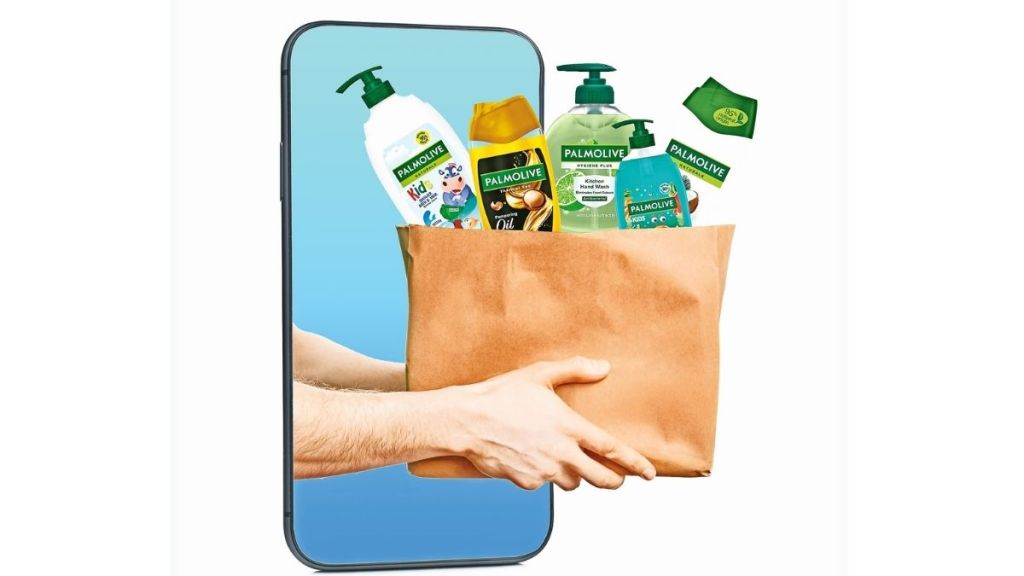
Last month, Colgate-Palmolive gave the reigns of its D2C channels and other e-commerce and social commerce operations for personal care brand Palmolive to the Bombay Shaving Company (BSC). BSC will now handle the consumer-facing operations of Palmolive’s e-commerce and D2C business to revive its sales.
Colgate-Palmolive admitted it had not done a great job with the Palmolive brand in India. “I must confess that this has been an area of disappointment,” said Prabha Narasimhan, outgoing MD & CEO, Colgate-Palmolive India, at the company’s analyst meet of 2026. “We believe that they (BSC) have a better understanding of how this entire D2C flywheel works. It’s not a flywheel that we understand as a company.”
Such collaboration is not new for BSC. In 2021, Reckitt, the parent company of brands like Harpic and Dettol among others, had entrusted it to handle the D2C operation of its sexual wellness brand Durex.
As per industry sources, the arrangement is something like this: The two legacy players would leverage the digital commerce playbook of 100Days.co, a digital commerce service business under Visage Lines Personal Care, the parent company behind Bombay Shaving Company and Bombae. 100days says it has brand partners across industries and is helping them to accelerate their D2C and e-commerce businesses.
It is easy to see why a Colgate-Palmolive or a Reckitt would want to lean on smaller D2C players. Faster decision-making is the ultimate unfair advantage of the D2C business model. Traditional retail models are often slowed down by multi-layer supply chains, third-party distributors, and delayed retail data. In contrast, D2C brands operate with a tight, direct feedback loop that enables rapid action. “Agility— to move fast and make quick decisions — is important to scale brands online, which many large firms might not have,“ says Ankur Bisen, senior partner, The Knowledge Company.
According to Satish Meena, founder, Datum Intelligence, D2C brands are well equipped with the talent and technology stack to scale businesses online. The strength of large FMCG companies, on the other hand, lies in building brands and capturing store shelves through their distribution muscle. The D2C flywheel is different. The relationship with the consumer is more direct and much faster, says Shaily Mehrotra, co-founder & CEO, Fixderma & FCL. They are constantly learning from consumer behaviour, performance data, reviews, content and repeat purchases, and then using those learnings to improve the product, communication and customer experience.
“Building D2C capability internally means creating new technology stacks, talent, incentive structures, performance-marketing expertise and a culture comfortable with rapid experimentation. That can take years for a large organisation,” says Yasin Hamidani, director, Media Care Brand Solutions.
But a big question is who would own the consumer data — the information and insignts the D2C accelarator brand might gain about the legacy brand, its core consumers or its biggest draw and drawback?
It all depends on the arrangement the legacy brand and the D2C player agree to. If the deal is limited to running of digital ads by the D2C player, the consumer data remains with the parent brand. But if the deal includes managing the website and the app, all the branded content, performance marketing, CRM and supply chain, then the D2C brand will likely find itself sitting on a goldmine.