



The advertising media business is rapidly shifting from broad, interruptive mass-marketing toward digital-first strategies, driven by AI-powered hyper-personalisation, programmatic buying and a massive surge in mobile, in-app, and connected TV consumption. The role of the media planner is changing in tandem.
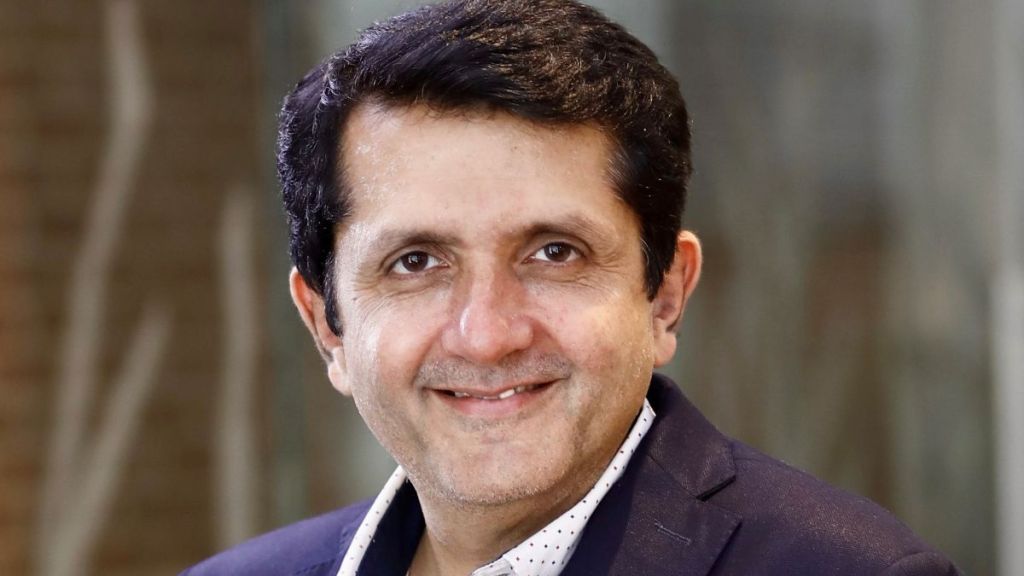
In this interview, Amin Lakhani, president, client solutions, WPP Media South Asia, tells Kartikay Kashyap how brands can compete in this new environment. Edited excerpts:
How has the role of the media planner evolved now that AI has invaded almost every aspect of media buying?
With the evolution of technology and with social platforms coming in, the role of the media planner has become far more complex. The second part is that what you see from the outside as digital — and therefore tech and all of that — is all high on grunt work and stitching up things behind the engine.
Then there are search engines, adwords, meta for brands, meta for creators, integrated media deployment framework and more. The media planner has been working with a lot of data so I would say a planner would be the first person to thank AI for coming into his life.
AI will help a media planner to become far more effective. AI has a huge potential to take away the grunt work and optimisation which is not possible manually. Earlier machines were doing this work but with AI, a media planner will have far more control over the entire mechanism to shape automation in line with the needs of the clients.
This way media planners will get freed up from all the administrative work and can allocate time to have meaningful conversation with the clients or brands. This is where our WPP Open comes into picture, which is an integrated operating system which is trying to drive simplification in a way which is unheard of.
So what are the new skills a media planner needs to acquire?
We are seeing two things. First, what has got here will not take us ahead. Which is why we are running a massive upskilling programme. Second, the mix of the team has started to change. Now we need AI-forward media planners, we need tech people who can help us navigate the challenges that AI engines are throwing at us and customise it for our clients.
Then, we need a lot of data science skillsets to make sense of the data and make it more relevant for brands. We would also need ecommerce specialists and influencer marketing specialists and other new age skills. I would say that our team mix for January 2027 would be very different from January 2026.
The two most obvious signals that have everyone worried these days are the rise in the price of fuel and the sharp slide of the Indian rupee. How challenging is it to serve clients in such a scenario?
The client’s questions have evolved. The conversation with the client revolves around what is the next source of growth for them. A bigger stress is volatility because the budgets are fluid. If the budget comes in, the turnaround time is fluid So the team needs be agile. Which is where our migration to WPP Open is helping us to reduce response time to our clients. As we speak, there are about 150 AI agents being tested in the Indian market to reduce the media planners’ turnaround time and achieve better efficiency.
Third-party cookies are fading from India’s digital advertising ecosystem. How must agencies pivot? What are the adtech alternatives?
We don’t believe that we should own the data or the client should own the data or the infrastructure. We are helping the clients to build their data stack in a far more compliant way. We are closing the loop by enriching the data and finding the best relevant partner for them. Our open stack data approach allows us to work with any partner or technology. Brands could be using any technology such as Adobe, Salesforce etc; it does not matter and they might want to have their own data partners or have a customised roster of data partners, we are fine with it. This is a very client-first approach.
What is the best possible way for agencies to use first-party data?
A lot of clients own that and the way to use it is through our engine. We can actually go ahead and create a specific communication for the customers. For instance, if it is a CPG first party data, then you know that this consumer is going to buy you every month.
So the first thing is that we talk to these consumers and make sure that they convert. If you are in a consumer goods category and they have already bought you, then of course they will not buy you the next month, because the next cycle of purchase would be longer. There will be a humongous opportunity to cross-sell to these people.
The biggest advantage of first party data is when we can isolate those people who are already your customers and then talk to people who are not your customers. With the use of third party data partners we can also identify the people who have not currently entered the category. So this way, you deploy the same amount of money correctly, and overcome inefficiencies.